
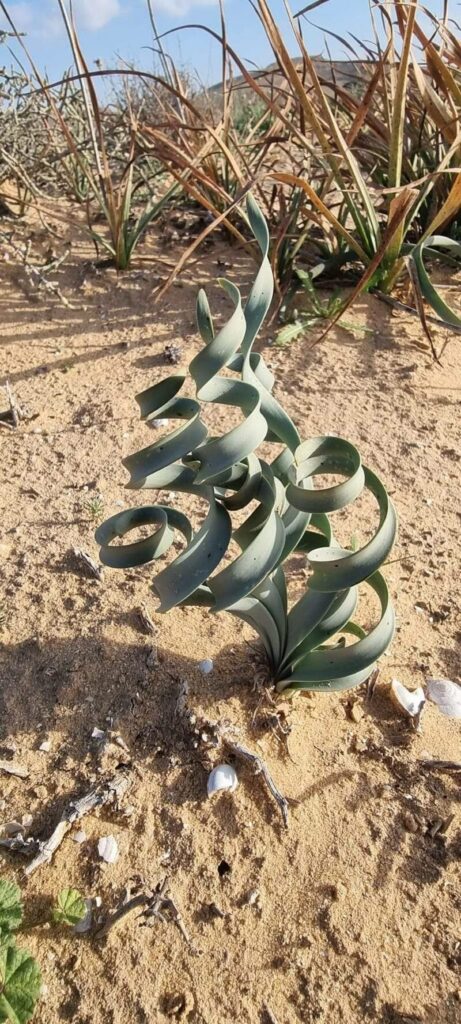
Propagating Pancratium sickenbergeri: A Gardener’s Guide
Introduction
Pancratium sickenbergeri, commonly known as the Sickenberg’s sea daffodil, is a captivating bulbous plant belonging to the Amaryllidaceae family. Native to specific regions, its elegant, often fragrant, white flowers and attractive strappy foliage make it a highly sought-after addition to any garden specialising in Mediterranean or similar climates. Its relative rarity and unique beauty contribute to its popularity among enthusiastic gardeners, but propagation isn’t always straightforward. This article explores various methods for propagating P. sickenbergeri, highlighting the challenges and rewards involved.
Seed Germination
Currently, there are no known reliable methods for seed germination propagation of Pancratium sickenbergeri. While the plant does produce seeds, their viability and germination rate are notoriously low, possibly due to a combination of factors including short-lived seed viability and specific germination requirements yet to be fully understood. Further research into optimal germination conditions, including potential stratification techniques, is needed before seed propagation can be considered a viable method for this species.
Cuttings
Currently, there are no known reliable methods for propagation of Pancratium sickenbergeri via cuttings. Amaryllidaceae generally do not propagate readily from leaf or stem cuttings.
Division
Division offers the most reliable method for propagating Pancratium sickenbergeri. This involves carefully separating the bulb clusters into individual bulbs or offsets during the plant’s dormant period (typically late summer or early autumn).
Challenges: Successfully dividing bulbs requires gentle handling to avoid damaging the delicate roots and ensuring each section has sufficient root material to support its growth. Over-division can weaken the parent plant and the newly separated bulbs.
Tips: Use a sharp, clean knife or spade to separate the bulbs. Plant the divided bulbs immediately in well-draining soil, similar to the parent plant’s original growing conditions. Handle the bulbs with care to avoid damaging the fragile roots.
Rewards: Division provides a relatively quick and efficient method of increasing the number of plants. It’s often more successful in comparison to other propagation techniques, and it helps preserve the genetic characteristics of the parent plant.
Tissue Culture
Tissue culture offers a potential avenue for large-scale propagation of Pancratium sickenbergeri, bypassing the limitations of seed germination and division.
Challenges: Establishing sterile conditions and developing appropriate growth media require specialized expertise and equipment. The procedure is technically demanding and requires a carefully controlled environment. Contamination can easily jeopardize the entire process.
Tips: This method should ideally be carried out in a laboratory setting by experienced personnel. Specific media formulations and plant growth regulators may need to be optimized for Pancratium sickenbergeri.
Rewards: Tissue culture enables the rapid multiplication of genetically uniform plants. This is particularly beneficial for preserving rare or endangered cultivars. It provides an opportunity to obtain a vastly larger number of plants than division alone.
Conclusion
Propagating Pancratium sickenbergeri presents several challenges. Seed germination has yet to prove reliable, and neither cuttings nor other vegetative methods have shown to be effective. Division remains the most practical method for the home gardener, requiring careful technique. Tissue culture offers potential for large-scale propagation but demands specialized expertise and equipment. Despite these hurdles, the unique beauty and rarity of Pancratium sickenbergeri make its cultivation a rewarding pursuit. The satisfaction derived from successfully nurturing this plant from a small bulb or through the complexities of tissue culture far outweighs the difficulties involved. For the aspiring propagator, patience, careful observation of the plant’s needs, and perhaps some experimentation will ultimately lead to success in expanding your collection of these exquisite sea daffodils.