
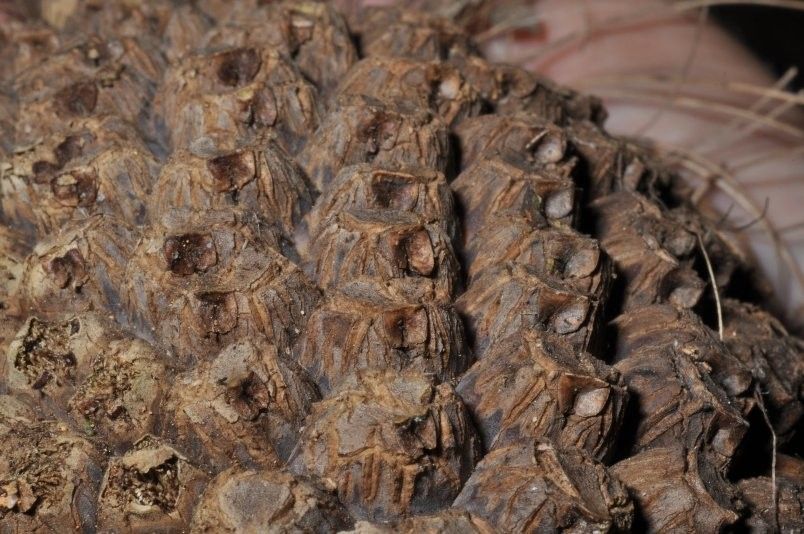
Unlocking the Secrets of Screw Pine Propagation: A Guide to Multiplying Your Pandanus aragoensis
The Pandanus aragoensis, more commonly known as the Screw Pine, is a striking plant that adds a touch of the tropics to any setting. With its spiraling trunk, sword-like leaves, and fascinating prop roots, it’s a conversation starter and a joy to own. But did you know that propagating this unique plant can be an adventure in itself? Whether you’re looking to expand your collection or share its beauty, mastering the art of Screw Pine propagation is a rewarding endeavor.
Understanding the Basics
Unlike many plants that readily propagate from stem cuttings, the Screw Pine primarily relies on two methods: seed propagation and offshoot division. Each method has its nuances and success rates, but with patience and proper care, you can increase your chances of propagating healthy new plants.
1. The Seed Route – A Test of Time and Patience:
- Source your seeds carefully: Fresh seeds directly from ripe fruits offer the highest viability. Look for healthy, mature fruits on established plants or seek reputable online suppliers.
- Prepare the seeds: Cleanse the seeds thoroughly, removing any pulp or debris. Soaking them in water for 24 hours can aid germination.
- Create the perfect environment: Sow the seeds in a well-draining seed-starting mix. Keep the soil consistently moist and warm (around 75-80°F).
- Patience is key: Germination can take anywhere from a few weeks to several months. Don’t be discouraged if you don’t see sprouts immediately.
2. Offshoot Division – The More Reliable Approach:
- Identify viable offshoots: Mature Screw Pines produce offshoots or “pups” at the base of the plant. Look for offshoots with their own root system and a few leaves.
- Separate with care: Using a sharp, sterilized knife, carefully separate the offshoot from the mother plant, ensuring you include a good portion of its root system.
- Potting and care: Plant the offshoot in a well-draining potting mix, similar to the mother plant’s soil. Provide adequate water and indirect sunlight, allowing the offshoot to establish itself.
Tips for Success:
- Sterilization is key: Always sterilize your tools before and after handling plant material to prevent the spread of diseases.
- Provide proper drainage: Screw Pines are susceptible to root rot, so ensure their soil is well-draining.
- Mimic their natural habitat: These tropical plants thrive in warm, humid environments with bright, indirect sunlight.
- Be patient and persistent: Propagation takes time and effort. Don’t be disheartened if your first attempt doesn’t yield immediate results.
Propagating your Pandanus aragoensis might seem daunting at first, but the rewards are well worth the effort. With patience, diligence, and these tips, you can successfully multiply your Screw Pine, creating a stunning collection of these captivating tropical wonders. So, unleash your inner plant parent and embark on this fulfilling journey of propagation!