
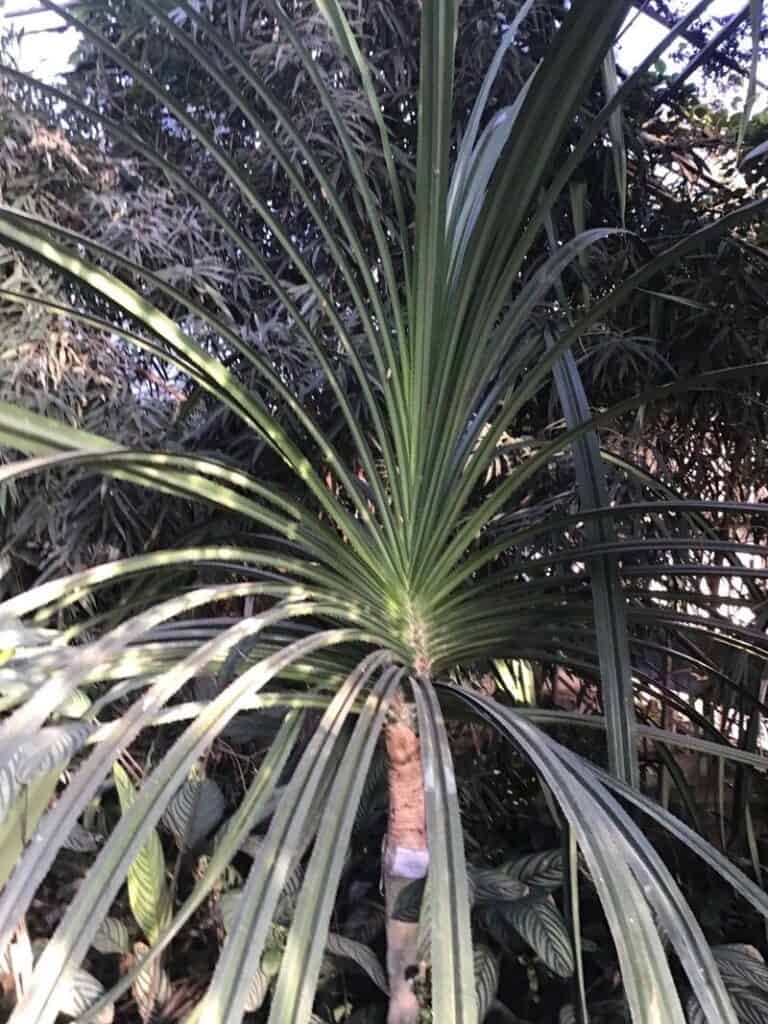
Branching Out: The How-To Guide to Propagating Your Own Pandanus furcatus
The Pandanus furcatus, also known as the forked pandan or the Himalayan screw pine, is a striking tropical plant with an undeniable architectural flair. Known for its spiky leaves, impressive height, and intriguing aerial roots, this Southeast Asian native can add a touch of the exotic to any garden or home. While finding them for sale can be tricky, propagating your own Pandanus furcatus is surprisingly achievable, even for novice gardeners. Let’s explore the methods that will have you well on your way to expanding your leafy brood.
Propagation Power: Seeds vs. Offsets
-
Seeds: While propagating from seed is possible, it’s often seen as the less reliable and more time-consuming route. Pandanus furcatus seeds have a relatively low germination rate and require a highly humid environment to succeed.
- Offsets: Offsets, also known as pups or suckers, are essentially miniature versions of the parent plant that grow from the base. This method proves significantly easier and faster, making it the preferred choice for most enthusiasts.
The Offset Advantage: A Step-by-Step Guide
Ready to try your hand at propagating through offsets? Here’s how:
-
Identify and Select: Look for healthy offsets that are at least 6 inches tall and have developed a small root system of their own.
-
Gently Detach: Using a clean, sharp knife or pruning shears, carefully separate the offset from the parent plant. Make sure to include a portion of the root system for the best chance of success.
-
Potting Mix Preparation: Prepare a well-draining potting mix. A blend of peat moss, perlite, and sand works well. You can also opt for a pre-mixed potting soil formulated for succulents or cacti.
-
Potting Your Offset: Plant the offset in the chosen pot, ensuring the base of the plant is level with the soil surface. Water thoroughly to settle the roots.
- Creating the Ideal Environment: Place the newly potted offset in a bright location, but away from direct sunlight. Keep the soil consistently moist but not waterlogged.
Nurturing New Growth:
-
Warmth is Key: Pandanus furcatus thrives in warm temperatures between 65-85°F (18-29°C). Be sure to protect your young plants from cold drafts or sudden temperature drops.
-
Humidity Boost: Mimic their tropical origins by misting the leaves regularly or placing the pot on a pebble tray filled with water.
- Patience is a Virtue: It may take several weeks for the newly propagated Pandanus furcatus to establish roots and show signs of new growth. Be patient and consistent with your care, and soon you’ll be rewarded with a thriving offspring!
A Rewarding Journey:
Propagating your own Pandanus furcatus is a rewarding endeavor that allows you to expand your plant family. While it requires a bit of patience and care, the process is surprisingly straightforward. By following these simple steps, even beginner plant enthusiasts can enjoy the satisfaction of cultivating these fascinating tropical plants from offsets. So, why not roll up your sleeves, grab your gardening gloves, and embark on this fulfilling plant propagation journey?