
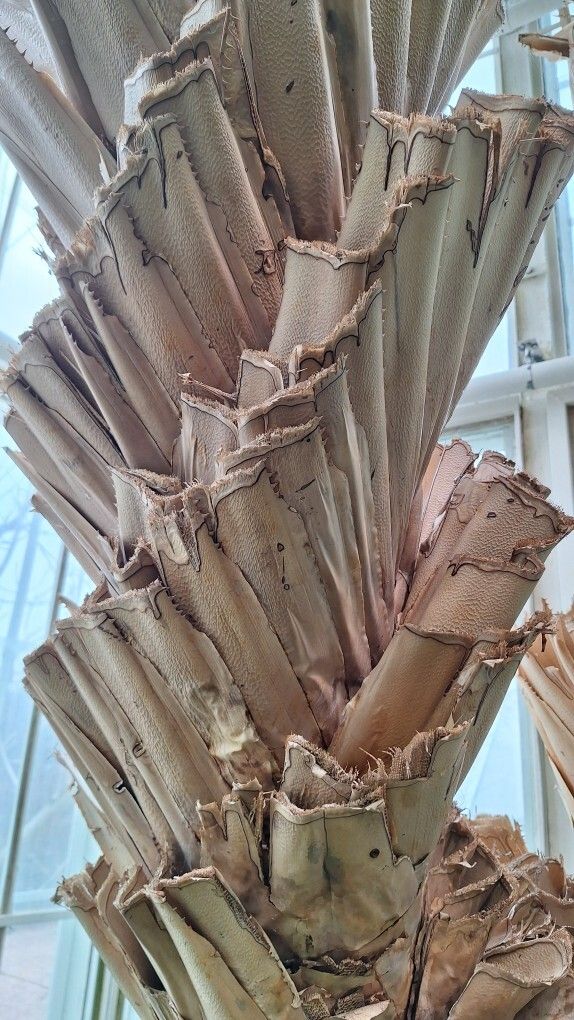
Propagating Pandanus rabaiensis: A Gardener’s Guide
Introduction:
Pandanus rabaiensis, also known as the Rabai Pandanus or sometimes simply as a Pandanus, is a striking tropical plant prized for its architectural form and vibrant foliage. Characterized by its spirally arranged, sword-like leaves and often impressive size, it adds a touch of exotic beauty to gardens in warm climates. While not as widely cultivated as some other Pandanus species, its unique appeal and relative hardiness make it a desirable addition for enthusiastic gardeners. However, propagating Pandanus rabaiensis presents several challenges, requiring patience and specialized knowledge. This guide explores various propagation methods, detailing their successes and limitations.
Seed Germination:
Currently, there are no known reliable methods for seed germination propagation of Pandanus rabaiensis. While the plant does produce fruit containing seeds, the germination rate is exceptionally low, and successful germination under cultivated conditions has not been widely documented. Further research is needed to determine if specific pre-treatments or environmental conditions might improve germination success.
Cuttings:
Cuttings offer a more viable method for propagating Pandanus rabaiensis than seed germination.
Challenges: Root development from stem cuttings can be slow and unreliable. The large, succulent leaves of Pandanus rabaiensis tend to lose moisture quickly, increasing the risk of cuttings wilting before rooting. The presence of aerial roots, while helpful for the mature plant, doesn’t necessarily guarantee successful rooting in detached cuttings.
Practical Tips: Use semi-hardwood cuttings taken from actively growing stems, avoiding overly mature or young wood. Treat the cut ends with a rooting hormone powder to stimulate root formation. Plant cuttings in a well-draining, moist, sterile propagation mix, ensuring good humidity levels (e.g., using a humidity dome or propagating under plastic). Bottom heat can significantly improve rooting success. Patience is key; rooting can take several weeks or even months.
Rewards: Cuttings offer a faster way to propagate compared to other methods. This allows the preservation of the exact genetic characteristics of the mother plant.
Division:
Division is a possible method for propagating Pandanus rabaiensis, but requires a mature plant with well-developed suckers or offsets.
Challenges: Dividing the plant can be physically demanding, as the root system is often extensive and interwoven. Improper division can severely damage both the parent plant and the offspring, potentially leading to their death. The successful separation of the root system to ensure independent survival is crucial.
Practical Tips: Carefully dig up the entire plant, exposing the root system. Identify distinct suckers or offsets with their own developed root systems. Use a sharp, clean knife or spade to cleanly separate the offsets, ensuring each has a healthy root mass. Treat the wounds with a fungicide and allow them to dry before planting. Plant the divisions in a well-draining potting mix and water thoroughly.
Rewards: This method offers a relatively quicker and straightforward method of propagation compared to tissue culture for established, mature plants. It maintains the genetic identity of the parent plant.
Tissue Culture:
Tissue culture presents a potential method for large-scale propagation of Pandanus rabaiensis.
Challenges: Establishing a robust tissue culture protocol for Pandanus rabaiensis requires specialized expertise and facilities. Contamination is a major concern, and optimizing the culture medium to promote both growth and shoot proliferation can be complex and time-consuming. The cost associated with setting up and maintaining a tissue culture lab can be significant.
Practical Tips: This method requires aseptic techniques in a controlled environment. Success depends on using appropriate media, growth regulators, and maintaining strict hygiene. Experienced plant tissue culturists are needed to develop protocols specifically tailored to Pandanus rabaiensis.
Rewards: Tissue culture offers the potential for mass propagation, producing a large number of genetically uniform plants rapidly. This is ideal for commercial production or conservation efforts.
Conclusion:
Propagating Pandanus rabaiensis presents various challenges across different methods. While seed propagation remains unreliable, cuttings and division offer practical approaches for the home gardener, albeit with patience required. Tissue culture holds promise for large-scale propagation, but necessitates specialized expertise and resources. The rewards, however – whether it’s the genetic diversity offered (theoretically) by seed propagation, or the satisfaction of successfully rooting a cutting, or the sheer abundance from multiple successful divisions or a tissue culture production run– are well worth the effort invested. The unique beauty of Pandanus rabaiensis, when successfully propagated, serves as a testament to the dedication and skill of the cultivator. To aspiring propagators, we say: Embrace the challenges, experiment with different techniques, and celebrate every small success along the way. The journey of propagating this beautiful plant is as rewarding as the final result.