
From One Pandanus to Many: Mastering the Art of Propagation
The Pandanus unipapillatus, with its striking spiral leaves and unique, almost prehistoric appearance, is a captivating addition to any plant enthusiast’s collection. But what if you could share this beauty with others, or simply expand your own personal jungle? That’s where propagation comes in.
This blog post aims to demystify the process of propagating Pandanus unipapillatus, empowering you to grow your own collection, share this fascinating plant, or simply enjoy the rewarding experience of cultivating life.
Understanding the Basics
Pandanus unipapillatus can be propagated through two primary methods:
- Air Layering: This method involves encouraging root development on a stem while it’s still attached to the parent plant. It’s a tried and true method that yields high success rates and allows for propagation of larger, mature plants.
- Seed Propagation: While less common, seeds are also viable for propagating Pandanus unipapillatus. This method is slightly more complex, with a longer germination period.
Air Layering – The Preferred Method
- Choosing the Right Branch: Select a healthy, mature branch that’s at least 1-2 years old and has a diameter of at least 1 inch. Look for a branch with vigorous growth and minimal leaf scars.
- The Air Layering Process:
- Make the Cut: Use a sharp, sterilized knife or pruning shears to make a ring cut around the branch, about 1-2 inches wide.
- Remove Bark: Using a small, sharp tool, carefully remove the bark from the exposed area, making sure to keep the cambium layer intact.
- Apply Rooting Hormone: Dip the exposed area in rooting hormone powder or gel to stimulate root growth.
- Wrap with Sphagnum Moss: Dampen sphagnum moss and wrap it around the exposed area, securing it with a plastic bag or aluminum foil.
- Keep Moist: Regularly check the moss and mist it to keep it moist but not soggy.
- Patience is Key: It can take anywhere from 2 to 6 months for roots to develop.
- Separating the Cutting: Once roots have formed, carefully cut the branch below the mossy area, leaving the roots intact. Plant the cutting into a well-draining potting mix.
Seed Propagation – An Alternative
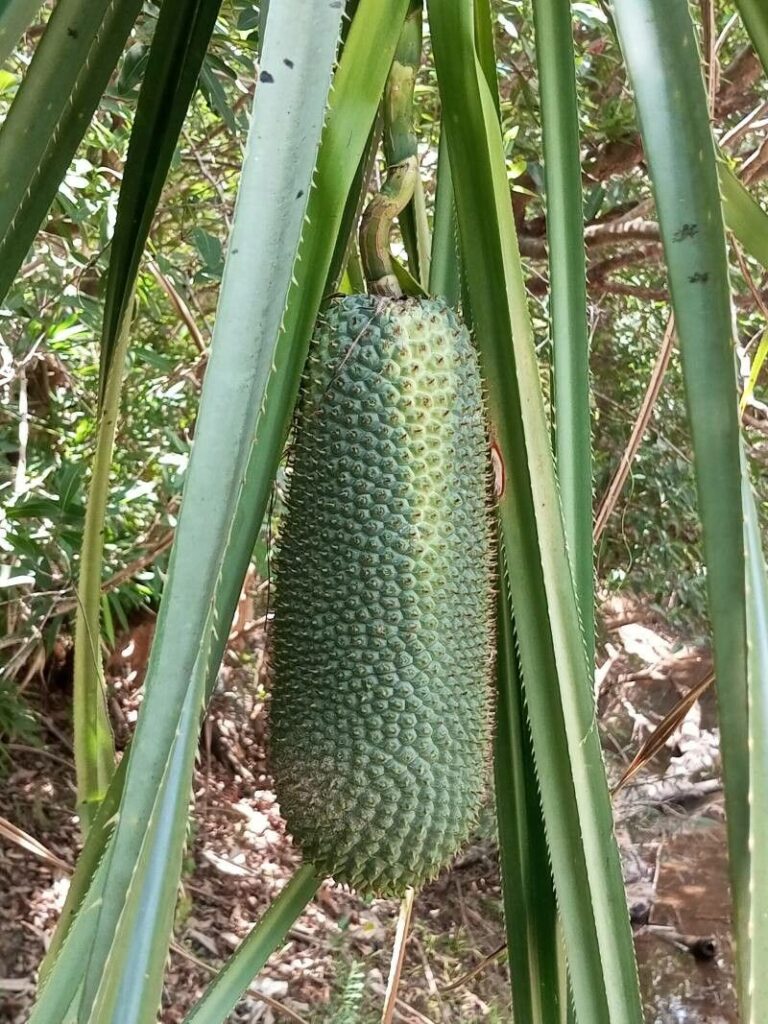
- Harvesting Seeds: Pandanus unipapillatus produces cone-like fruits that contain numerous seeds. Harvest the fruits when they turn a deep orange or red color.
- Seed Preparation: Gently remove the seeds from the fruit and soak them in warm water for 24 hours.
- Sowing: Sow the seeds in a well-draining seed-starting mix and cover them lightly with soil. Keep the seed tray moist and warm (75-80 degrees F) to encourage germination.
- Germination & Transplanting: Germination can take several weeks to months. Once seedlings have developed a few true leaves, they can be transplanted into individual pots.
Key Success Factors
- Light & Humidity: Pandanus unipapillatus thrives in bright, indirect light and prefers high humidity levels.
- Potting Mix & Drainage: Use a well-draining potting mix to prevent root rot.
- Fertilizer: Feed your Pandanus unipapillatus with a balanced fertilizer every few weeks during the growing season.
- Regular Pruning: Keep your plant in shape and encourage new growth by regularly pruning any dead or damaged leaves.
From Seedling to Showcase
With a little patience and the right care, you’ll soon have a thriving Pandanus unipapillatus, a testament to your horticultural skills and a source of pride for any plant enthusiast. So go ahead, explore the rewarding world of propagation and transform your gardening experience from appreciation to creation!