
Propagating Papaver dubium: The Challenges and Rewards of Cultivating the Doubtful Poppy
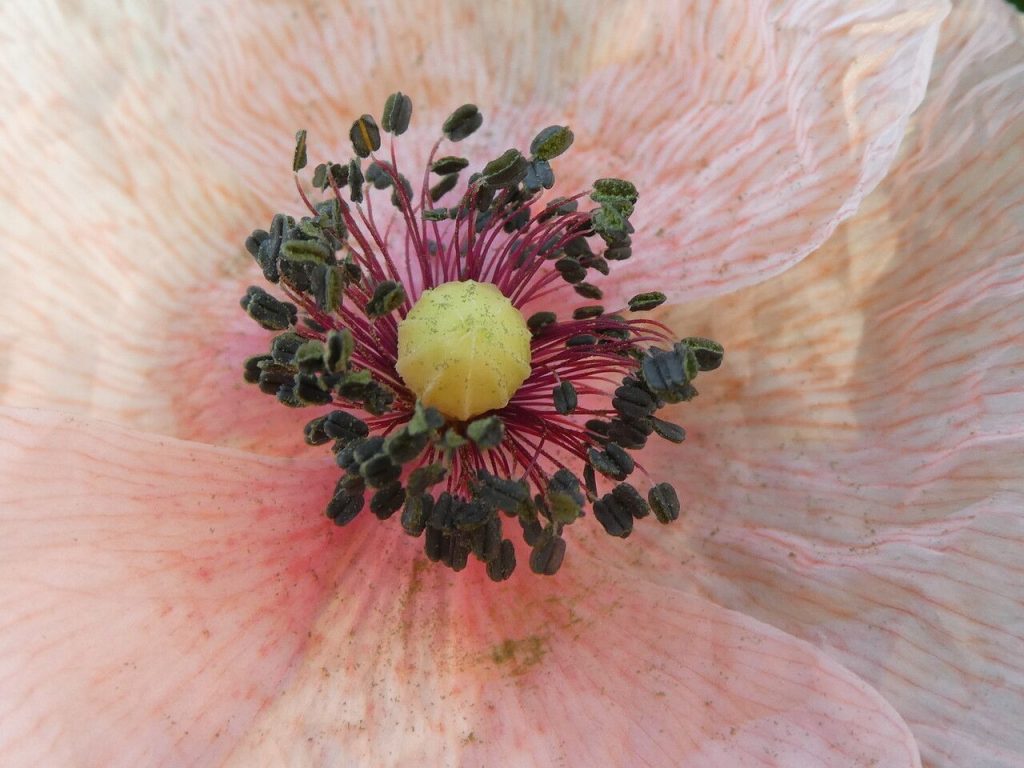
Papaver dubium, commonly known as the doubtful poppy or red poppy, is a charming annual wildflower prized for its delicate, scarlet blooms and easy-going nature. Its vibrant color adds a splash of summer brilliance to cottage gardens and wildflower meadows, making it a popular choice among gardeners. However, while its cultivation is relatively straightforward, propagating this species presents unique challenges and rewards worthy of exploration.
Seed Germination:
Seed germination is a viable and highly successful method for propagating Papaver dubium. The seeds are prolific and readily available. However, there are a few key aspects to consider for optimal germination:
Challenges: The primary challenge is ensuring adequate moisture without leading to fungal diseases. Poppy seeds are very small and require light for germination.
Tips: Sow seeds directly outdoors in autumn or spring. Prepare a well-drained seedbed with light, slightly alkaline soil. Broadcast sow the seeds sparingly on the surface, gently firming the soil. Avoid burying the seeds deeply, as they need light to germinate. Maintain consistent moisture until germination, but avoid overwatering. A slightly raised seedbed can improve drainage.
Rewards: Seed germination offers the greatest genetic diversity, allowing for a wider range of plant characteristics within the population and facilitating adaptation to local conditions. It’s also perfect for large-scale propagation.
Cuttings:
Currently, there are no known reliable methods for propagation of Papaver dubium using cuttings. This species is an annual, meaning its life cycle is completed in a single year, limiting the availability of suitable stem material for propagating vegetatively. The plant does not readily produce suitable cuttings for rooting.
Division:
Division is not a viable propagation method for Papaver dubium. As an annual plant, it does not form the type of root system conducive to division.
Tissue Culture:
While tissue culture techniques are used for many plants, they are not commonly employed for propagating Papaver dubium. This is primarily because the relatively simple and successful seed propagation makes the more complex and costly tissue culture approach unnecessary.
Conclusion:
Propagating Papaver dubium ultimately hinges on seed germination, a rewarding, albeit slightly nuanced, process. While cuttings and division are not viable options, the ease and success rate of seed propagation more than compensate. The challenge lies in achieving optimal moisture levels and preventing damping-off, but a light touch and well-drained soil greatly limit these risks. The reward – a vibrant carpet of scarlet blooms – far outweighs the effort involved. Successfully cultivating this delicate wildflower, especially from seed, brings a unique sense of accomplishment, underscoring the connection between the gardener and the natural world. To aspiring propagators, I offer this encouragement: experiment, learn from any setbacks, and enjoy the beauty that patiently awaits the successful gardener.