
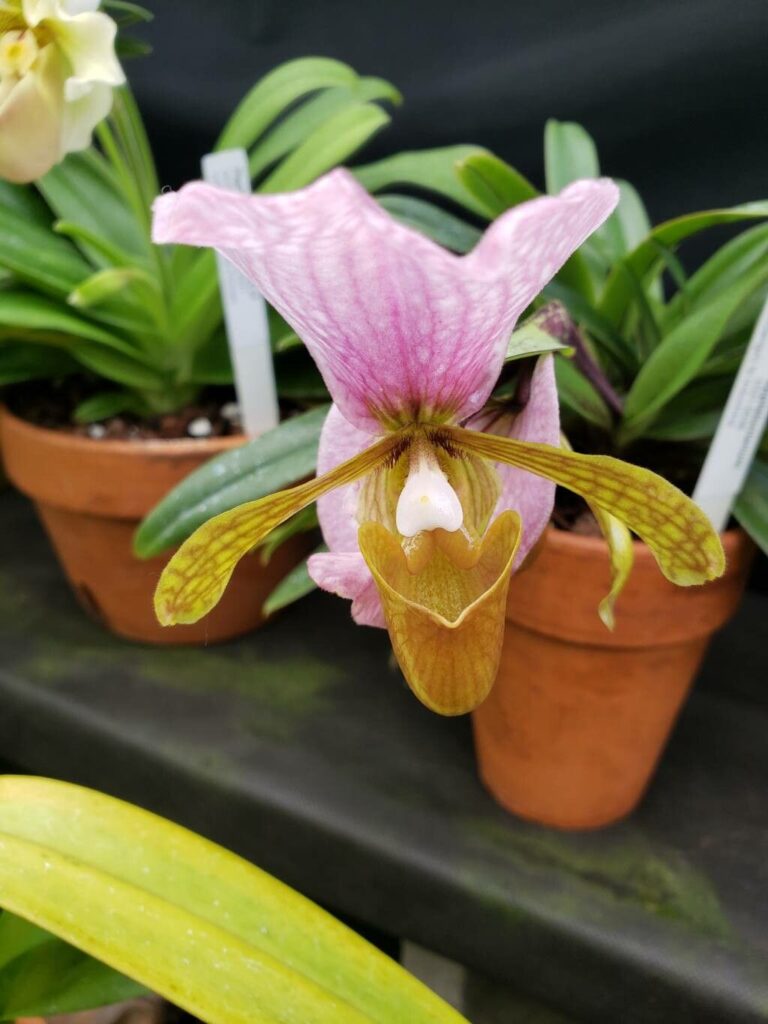
Unlocking the Secrets: How to Propagate Paphiopedilum appletonianum
The Paphiopedilum appletonianum, with its striking striped petals and unusual pouch-like lip, is a coveted jewel among orchid enthusiasts. While caring for this beauty is rewarding, successfully propagating it can feel like entering uncharted territory. Fear not, fellow orchid aficionados! This guide will equip you with the knowledge to multiply your Paph. appletonianum and share its splendor.
Understanding the Basics:
Before diving in, it’s crucial to understand that Paphiopedilum appletonianum, like other slipper orchids, doesn’t produce keikis (plantlets) like some orchid varieties. This means propagation relies solely on division.
When to Divide:
Timing is crucial. The optimal time to divide your Paph. appletonianum is during spring, just as new growth emerges. Look for signs like multiple healthy growths (at least six) and a robust root system. This indicates the plant has enough energy reserves for successful division.
The Art of Division:
- Preparation is Key: Gather your tools – sterilized pruning shears, a sharp knife, pots, and a well-draining orchid mix.
- Gently Unpot: Carefully remove the plant from its pot, loosening the roots around the edges.
- Identify Division Points: Look for natural divisions in the rhizome (the horizontal stem). Aim for sections with at least three growths and a healthy root system.
- Make the Cut: Using your sterilized tool, confidently divide the rhizome at the chosen points.
- Treat the Divisions: Dust all cut surfaces with a fungicide to prevent infection.
- Potting Time!: Choose pots just large enough to accommodate the roots. Position each division so the base of the growths is level with the potting mix. Gently firm the mix around the roots, ensuring proper drainage.
Post-Division Care – A Gentle Touch:
Divisions are sensitive, requiring specific care:
- Light: Provide bright, indirect light, similar to the original plant’s conditions.
- Watering: Water less frequently than mature plants, allowing the potting mix to approach dryness between waterings.
- Humidity: Maintain moderate to high humidity levels to encourage root development. A humidity tray or room humidifier can be helpful.
- Fertilizer: Use a balanced, diluted orchid fertilizer every other watering during the growing season (spring and summer).
Patience is a Virtue:
Don’t expect immediate results. It can take several months for divisions to establish themselves and produce new growth. Be patient, provide consistent care, and celebrate those first signs of new shoots – a testament to your propagation success!
Beyond Division:
While division is the most common method, consider experimenting with seed propagation for the ultimate challenge. This advanced technique requires sterile conditions and specialized knowledge but offers a rewarding experience for the dedicated hobbyist.
Embrace the Journey:
Propagating Paphiopedilum appletonianum is a fulfilling endeavor, allowing you to expand your orchid collection and share the beauty of this unique species. While it requires patience and dedication, the rewards are well worth the effort. Remember, every new sprout is a testament to your dedication and a celebration of life’s remarkable cycle!