
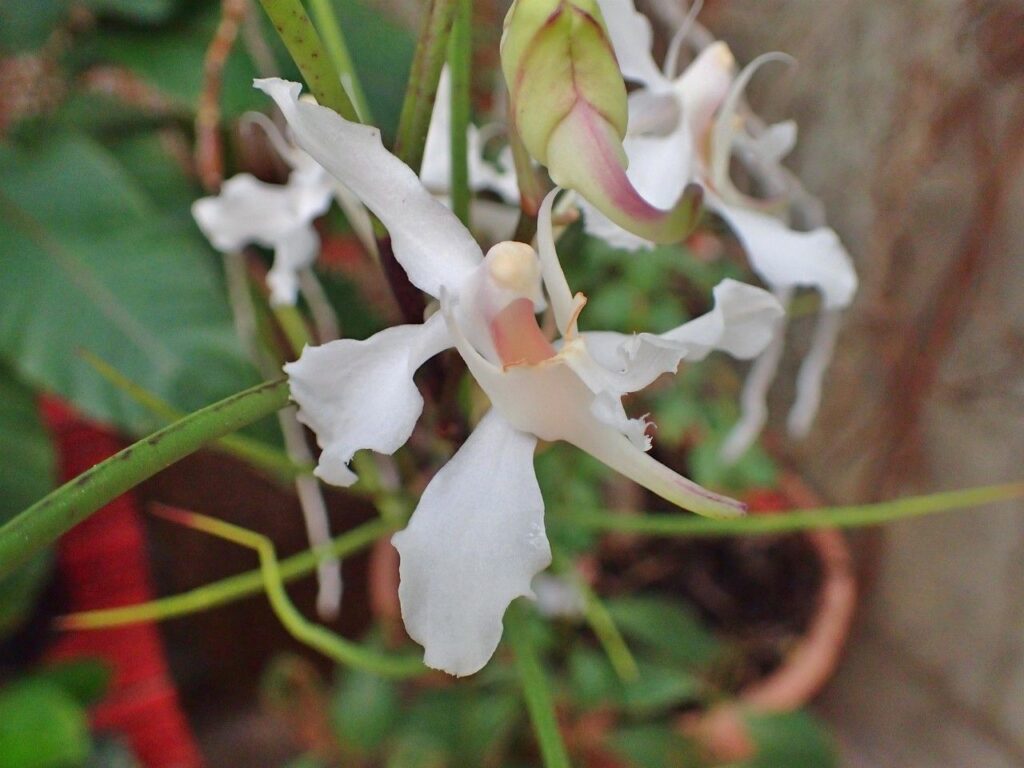
Unlocking the Secrets of Papilionanthe vandarum Propagation: A Guide to Multiplying Your Orchid Blooms
The Papilionanthe vandarum, also known as the Singapore Pink Orchid, is a stunning orchid species known for its vibrant pink blooms and delicate fragrance. While admiring these beauties is a treat in itself, wouldn’t it be even more rewarding to multiply your collection and share the joy with others?
This guide delves into the fascinating world of Papilionanthe vandarum propagation, equipping you with the knowledge and techniques to successfully grow new plants from your existing ones.
Understanding the Basics
Before diving into the methods, it’s crucial to understand that Papilionanthe vandarum propagation differs from seed germination. We’ll be focusing on vegetative propagation, methods that use parts of a mature plant to generate new ones. This ensures you get an exact genetic replica of your prized orchid.
Methods for Success
Here are the two most effective methods for Papilionanthe vandarum propagation:
-
Keiki Division:
- What are Keikis? Keikis are essentially miniature orchids that sprout from the nodes along the flower stem or the base of your mature plant. They often develop their own roots and leaves, making them ideal candidates for propagation.
- When to Divide: Once the keiki has developed a healthy root system (at least 3-4 roots about 2-3 inches long), it’s ready for separation.
- How to Divide: Carefully detach the keiki from the mother plant using a sterilized cutting tool. Plant it in a well-draining orchid potting mix, ensuring the base of the keiki is level with the medium’s surface. Provide ample humidity and indirect light, allowing the newly potted keiki to establish itself.
-
Stem Cuttings:
- The Technique: This method involves taking cuttings from the main stem of a healthy, mature Papilionanthe vandarum.
- Choosing the Right Stem: Select a stem that has already flowered and is showing signs of new growth. Look for nodes, which are slightly raised bumps along the stem, as these are the points where roots will develop.
- Making the Cut: Using a sterilized cutting tool, make clean cuts on either side of a node, ensuring each cutting includes at least two nodes.
- Preparing and Planting: Apply a rooting hormone (optional) to the cut ends of the stem. Lay the cutting horizontally on top of a moist sphagnum moss bed, ensuring at least one node is in contact with the moss. Cover the setup with a clear plastic bag to create a humid environment and place it in a warm, bright location, out of direct sunlight. Roots and new growths will begin to emerge within weeks.
Important Tips for Success
- Sterilization is Key: Always sterilize your cutting tools with rubbing alcohol before and after each use to prevent the spread of diseases.
- Patience is a Virtue: Orchid propagation takes time. Don’t be discouraged if you don’t see immediate results. Be patient and continue providing optimal care.
- Environmental Control: Papilionanthe vandarum thrives in warm temperatures, high humidity, and bright, indirect light. Replicate these conditions for your new propagations.
Multiplying Your Orchid Joy
Propagating your Papilionanthe vandarum is a rewarding experience that allows you to expand your plant family and share the beauty of these orchids with others. By understanding the different propagation methods and following these essential tips, you can increase your chances of success and enjoy a flourishing collection of these stunning pink blooms for years to come.