
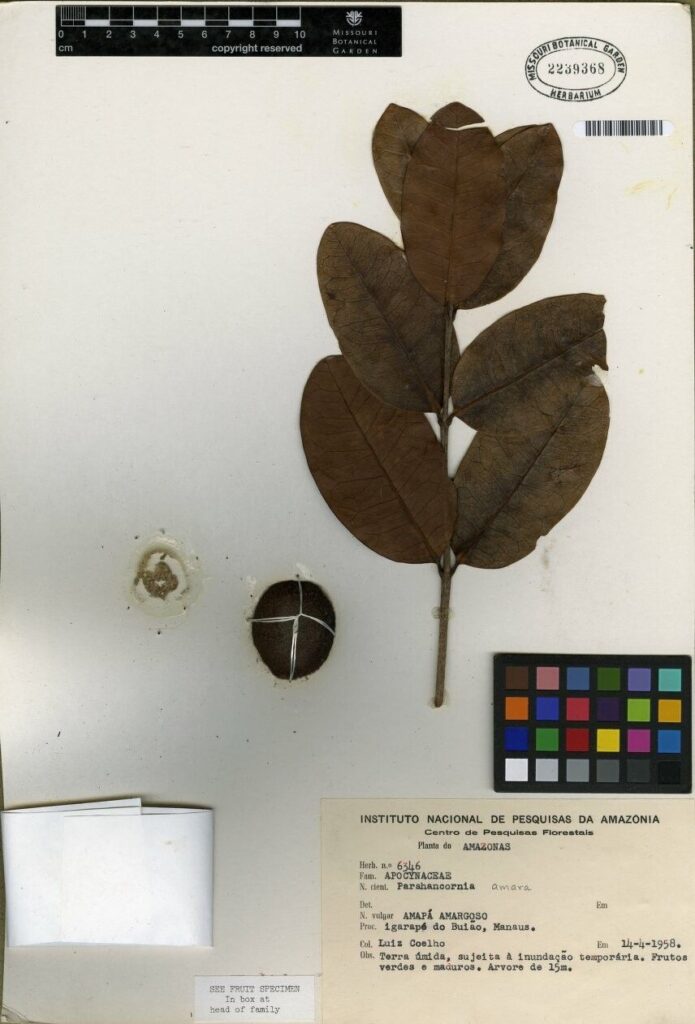
Taming the Wild: Propagating Parahancornia amara – The Amazonian “Miracle Tree”
The Parahancornia amara, often referred to as the “miracle tree” due to its diverse benefits, is a fascinating and valuable plant native to the Amazon rainforest. Known for its fruit, latex, and medicinal properties, it’s gaining traction as a sustainable resource for communities and individuals alike. But how can you bring this rainforest treasure into your own garden? Let’s delve into the world of Parahancornia amara propagation!
Seed Propagation: Embracing the Cycle of Life
The most common and rewarding method is seed propagation. It’s a journey that mirrors nature’s cycle, giving you a sense of connection to the Amazonian origins of this plant. Here’s how it works:
- Collecting Seeds: Find ripe Parahancornia amara fruits, typically brownish-yellow and slightly wrinkled. Extract the seeds from the fleshy pulp, ensuring they are clean and dry.
- Preparing for Planting: Find a seed tray or pots filled with well-draining and fertile potting mix. Seeds need to be planted individually, about 1/2 inch deep, and spaced apart.
- Nurturing the Seedlings: Maintain a consistently moist environment while providing indirect sunlight. Keep the soil slightly damp, but not soggy. Germination can take anywhere from 1-3 months.
- Transplanting Time: Once seedlings develop a few true leaves, transplant them into larger pots or directly into your garden bed if the climate allows.
Vegetative Propagation: A Speedy Approach
For those seeking a faster route to establishing a Parahancornia amara plant, vegetative propagation methods like stem cuttings offer a more direct approach.
- Choosing the Right Cuttings: Select healthy stems from mature plants, ensuring they are at least 6 inches long and have at least 2 nodes (where leaves sprout).
- Preparing the Cuttings: Use a sharp knife or pruning shears to make a clean cut at the base of the stem. Dip the cut end in rooting hormone to encourage root development.
- Planting the Cuttings: Plant the treated cuttings in a well-draining mix like perlite and vermiculite, ensuring the nodes are buried. Maintain a humid environment and consistent moisture.
- Monitoring Growth: Place the cuttings in a warm, bright location but avoid direct sunlight. Within several weeks, you should see new growth, indicating successful rooting.
Important Considerations:
- Climate: Parahancornia amara thrives in tropical and subtropical climates, so choose your planting location carefully.
- Soil: Ensure the soil is well-drained and rich in nutrients.
- Sunlight: While the plant prefers dappled sunlight, avoid direct exposure, as it can cause scorching.
- Nutrients: Fertilize regularly with a balanced organic fertilizer to support healthy growth.
- Pest and Disease Management: Regularly inspect your plants for any pests or diseases, addressing them promptly.
Tapping into the Benefits:
By engaging in propagation, you’re not just growing a plant – you’re cultivating a source of valuable resources. Parahancornia amara offers:
- Edibility: The fruits are rich in vitamins, minerals, and antioxidants, providing a nutritious and delicious snack.
- Medicinal Uses: The latex has proven medicinal properties, used traditionally to treat various ailments.
- Sustainable Resources: Its latex also yields rubber and other valuable products, promoting sustainable economic opportunities.
Embrace the Journey:
Propagating Parahancornia amara is a rewarding and meaningful experience. From the delicate act of sowing seeds to witnessing the emergence of lush foliage, you’re actively participating in the process of nature’s renewal. By learning to propagate this fascinating plant, you contribute to its preservation and tap into its incredible potential for your own well-being and the future of sustainability.