
Reaching New Heights: Propagating the Majestic Parapiptadenia Excelsa
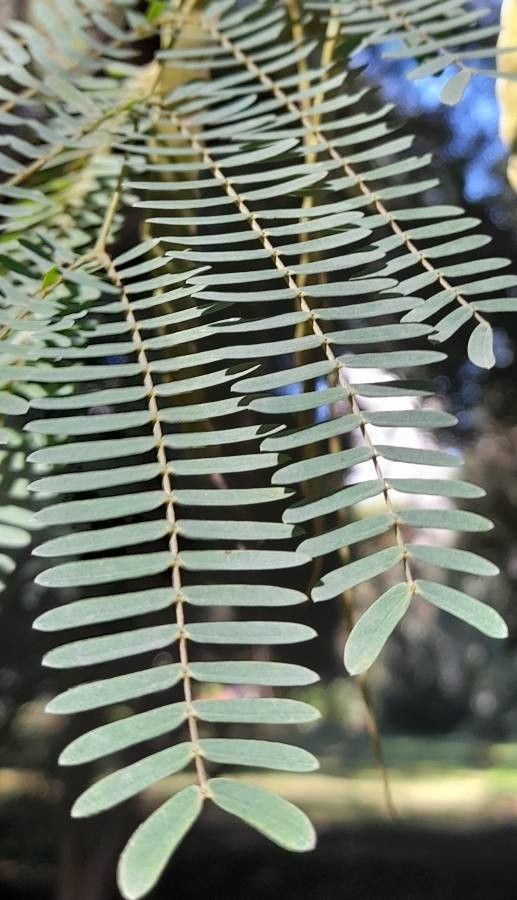
The Parapiptadenia excelsa, also known as the Brazilian ironwood or palo rosa, is a towering testament to nature’s grandeur. Native to South America, this majestic tree, with its feathery foliage and impressive stature, can be a stunning addition to landscapes fortunate enough to accommodate its growth. But for those smitten by its beauty, the question arises: how can one propagate this giant? Let’s delve into the world of Parapiptadenia excelsa propagation, exploring the methods and uncovering the secrets to success.
The Power of the Seed:
The most common, and arguably the most rewarding, method of propagating Parapiptadenia excelsa is through seeds. These seeds, housed in long, flat pods, carry the potential for a new generation of these magnificent trees. Here’s a step-by-step guide:
-
Seed Collection and Preparation: Collect mature, dry pods directly from the tree or gather fallen ones. Extract the seeds, ensuring they are free from any debris or damage.
-
Scarification: The seeds possess a hard outer coating that can hinder germination. To encourage sprouting, scarification is crucial. Lightly rub the seed coat with sandpaper or make a small nick with a file, being careful not to damage the inner seed.
-
Soaking: Soak the scarified seeds in warm water for 24 hours. This step helps soften the outer layer further and kickstarts the germination process.
-
Sowing: Plant the soaked seeds in a well-draining seed-starting mix, about half an inch deep. Ensure the pointed end of the seed faces down.
-
Environment: Maintain a warm environment with temperatures around 70-75°F (21-24°C). Consistent moisture is crucial, but avoid waterlogging the soil.
- Patience: Germination can take anywhere from a few weeks to a couple of months. Don’t despair if it takes time; continue providing optimal conditions.
Beyond Seeds: Exploring Cuttings
While seed propagation is the most common route, propagating Parapiptadenia excelsa from cuttings is also possible, though arguably more challenging. This method involves taking a cutting from a healthy branch and encouraging it to develop roots. Here’s a concise overview:
-
Timing is Key: Take cuttings during the active growing season, ideally in spring or early summer.
-
Selecting the Cutting: Choose a healthy, semi-hardwood branch, preferably from the current year’s growth.
-
Preparation: Remove the leaves from the lower portion of the cutting and dip the cut end in rooting hormone to encourage root development.
-
Planting: Plant the cutting in a well-draining potting mix and keep it consistently moist.
-
Environment: Provide a warm, humid environment with indirect light, similar to seed propagation.
- Rooting: Cuttings may take several weeks to develop roots. Patience and consistent care are essential.
Nurturing the Future Giants:
Whether you choose the path of seeds or cuttings, once your Parapiptadenia excelsa begins to grow, provide it with ample sunlight, well-drained soil, and adequate water. With proper care and attention, your efforts will be rewarded as you witness the remarkable journey of this majestic tree from a tiny seed or cutting to a towering symbol of natural splendor.