
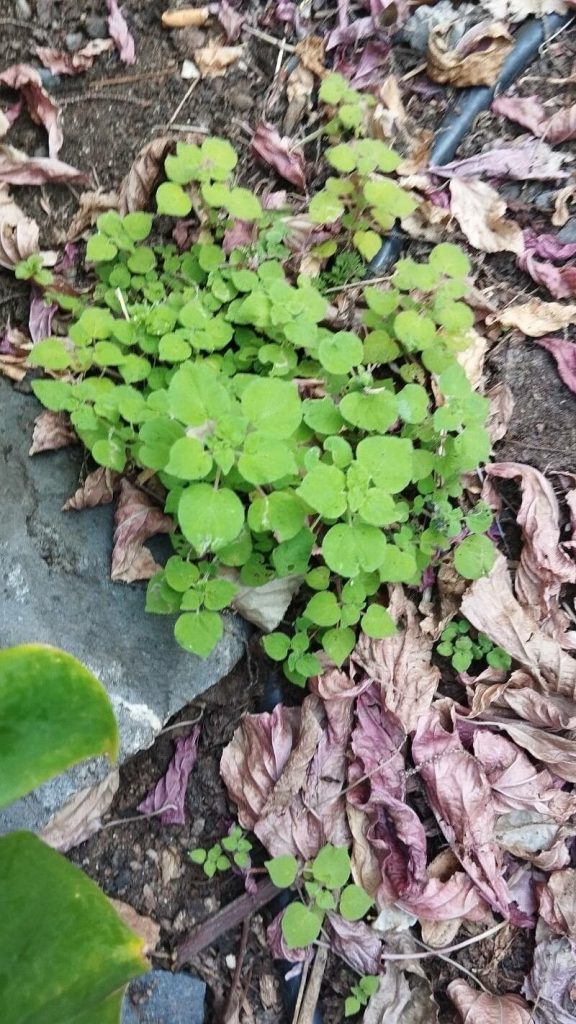
Propagating Florida Pellitory (Parietaria floridana): A Gardener’s Guide
Introduction:
Parietaria floridana, commonly known as Florida pellitory, is a fascinating herbaceous perennial native to the southeastern United States. This unassuming plant, often found clinging to walls and rocks, possesses delicate, slightly fuzzy leaves and inconspicuous greenish flowers. While not a showy plant like many garden favorites, its resilience, adaptability, and ecological importance make it increasingly popular amongst gardeners interested in native plants and those aiming for a low-maintenance, naturalistic landscape. Its propagation, however, presents some unique challenges.
Seed Germination:
Currently, there are no known reliable methods for seed germination propagation of Parietaria floridana. Limited research exists on the plant’s reproductive biology, and its tiny seeds may have highly specific germination requirements yet to be determined. Further research is needed to explore potential techniques such as stratification or hormone treatments.
Cuttings:
Cuttings offer a more promising method for propagating Florida pellitory.
Challenges: Successfully rooting cuttings of Parietaria floridana can be inconsistent. The success rate appears to be influenced by the time of year (spring/early summer cuttings tend to fare better), the age of the stem used (semi-hardwood cuttings are preferred), and the rooting medium employed (a well-draining mix is crucial).
Practical Tips: Take 4-6 inch long stem cuttings, removing lower leaves to prevent rot. Dip the cut ends in a rooting hormone (optional, but can improve success rates). Plant the cuttings in a moist, well-draining mix (e.g., perlite and peat moss), keeping them consistently moist (but not waterlogged) and under humid conditions (a humidity dome can be beneficial). Bottom heat can promote rooting.
Rewards: Cuttings offer a reliable way to produce genetically identical plants, ensuring you maintain the specific traits of your existing Florida pellitory. This method is also relatively simple and cost-effective for small-scale propagation.
Division:
Division is another viable option, particularly for established plants.
Challenges: Careful handling is needed to avoid damaging the relatively fragile root system. Division is most effective in spring or fall when the plant is actively growing.
Practical Tips: Gently dig up the entire plant, carefully separating the root mass into smaller clumps, ensuring each division has healthy roots and stems. Replant the divisions in a suitable location, keeping them well-watered until established.
Rewards: Division allows for quick multiplication of existing plants. It’s a simple, relatively low-tech propagation method and avoids the potential issues associated with cuttings or tissue culture.
Tissue Culture:
Tissue culture presents a potential avenue for large-scale propagation of Parietaria floridana, but it remains largely unexplored.
Challenges: Establishing optimal tissue culture protocols (media composition, hormones, sterilization techniques) for this species would necessitate significant research and experimentation. This method is also the most expensive and technically complex option.
Practical Tips: This method is not currently readily available to home gardeners. Research in a laboratory setting would be needed to develop efficient protocols.
Rewards: Tissue culture, once established, could offer a highly efficient and cost-effective means of propagating large numbers of genetically uniform plants, providing a valuable tool for conservation efforts or commercial cultivation.
Conclusion:
Propagating Parietaria floridana presents unique challenges, with seed germination currently proving unreliable. Cuttings and division offer practical methods for gardeners, although success depends on attention to detail ensuring proper humidity and moisture level, resulting in a rewarding experience. Tissue culture represents a potential but largely untapped avenue for the future. The satisfaction derived from successfully cultivating this resilient native plant, despite the hurdles involved, is immense. The perseverance required underscores the deeply fulfilling nature of nurturing and propagating even the seemingly unassuming plants of the natural world. To the aspiring propagator, we say: experiment, observe, and enjoy the journey – the subtle rewards of cultivating Florida pellitory are well worth the effort.