
Unlocking the Secrets of the African Locust Bean Tree: A Guide to Propagating Parkia biglobosa
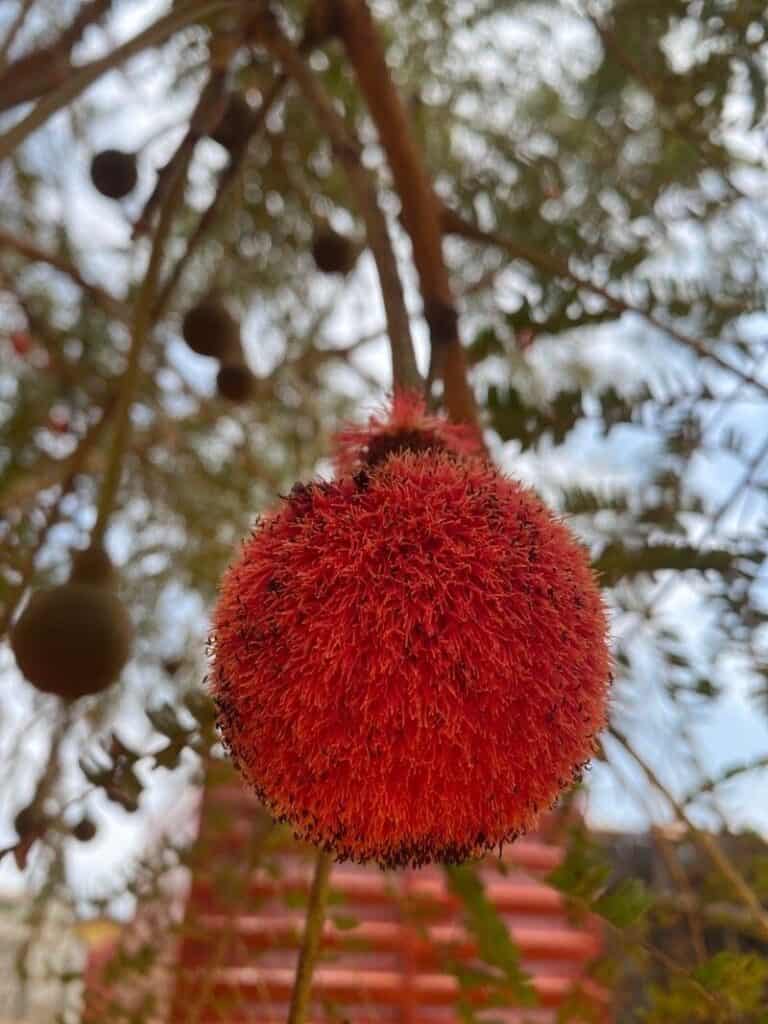
The African Locust Bean Tree, scientifically known as Parkia biglobosa, is more than just a majestic presence in the African savanna. Beyond its impressive size and distinctive fruit, this tree boasts a rich history of cultural and culinary significance. If you’re looking to cultivate this fascinating tree, whether for its edible pods, shade, or simply its unique beauty, understanding the art of propagation is key.
Two Paths to Propagation: Seeds vs. Seedlings
Propagating Parkia biglobosa presents two primary options:
1. Starting from Seed:
This method, while requiring more patience, allows you to witness the entire journey of growth. Here’s how to get started:
- Seed Collection: Source mature, healthy pods directly from the tree or reputable suppliers.
- Seed Preparation: Due to their hard seed coat, Parkia biglobosa seeds need a little help to break dormancy. Soak them in warm water for 24-48 hours, changing the water every 12 hours. This softens the outer layer and encourages germination.
- Sowing: Plant the pre-soaked seeds in a well-draining potting mix, about 2-3 cm deep. Water well but avoid over-saturating the soil.
- Patience and Care: Germination can take anywhere from a few weeks to several months. Ensure consistent moisture and provide warmth and indirect sunlight.
2. Opting for Seedlings:
For a head start, consider purchasing young seedlings from nurseries specializing in native African plants.
- Selecting Healthy Seedlings: Choose seedlings with sturdy stems, vibrant leaves, and well-developed root systems.
- Transplanting: Gently transfer the seedling into a larger pot or directly into the ground, ensuring ample space for root growth.
- Consistent Care: Water regularly, especially during the initial establishment phase, and provide adequate sunlight.
Choosing the Right Environment
Whether starting from seed or seedling, replicating the natural environment of Parkia biglobosa is crucial for success.
- Sunlight: These trees thrive in full sun, needing at least 6-8 hours of direct sunlight daily.
- Soil: Well-draining, sandy loam soil is ideal. Amend heavy clay soils with organic matter to improve drainage.
- Watering: Regular watering is crucial, especially during dry spells. However, avoid waterlogging, as it can lead to root rot.
More than just a Tree
Propagating Parkia biglobosa is a rewarding experience, allowing you to connect with a species that has sustained communities for centuries. Its pods, rich in protein and essential nutrients, are a valuable food source. The bark and leaves hold medicinal properties, while the expansive canopy provides much-needed shade in arid regions.
By embracing sustainable practices and fostering awareness, we can ensure the legacy of this remarkable tree thrives for generations to come.