
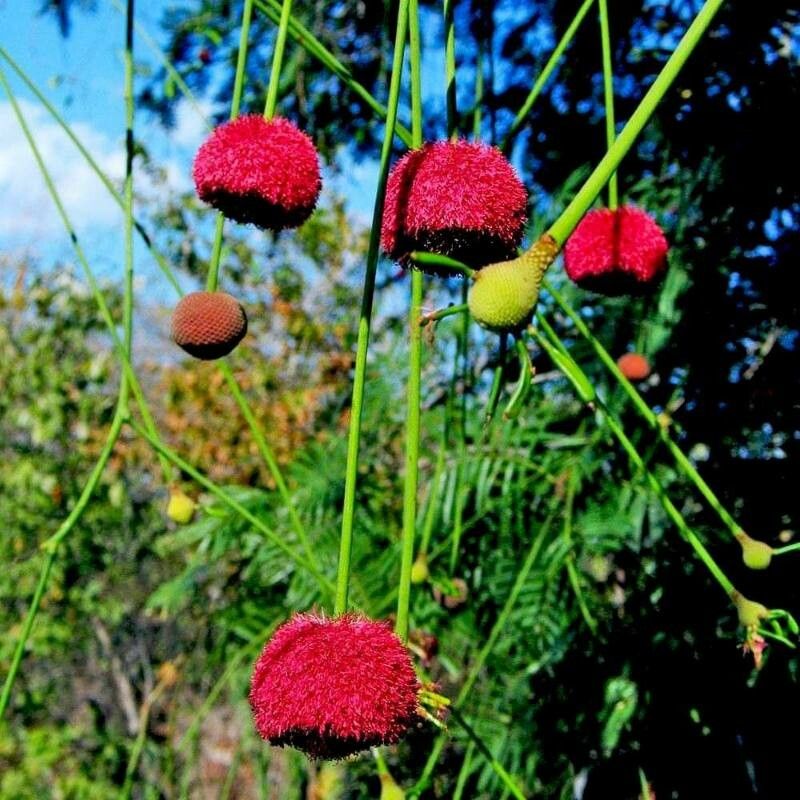
From Seed to Success: Propagating The Majestic Parkia Platycephala
Have you ever been captivated by the sight of a majestic Parkia platycephala, its feathery leaves casting a dappled shade and its unique, edible pods dangling like ornaments? This tropical wonder, known by many names including “African Locust Bean” and “Dawadawa,” is a fascinating tree that can add a touch of exotic beauty to any landscape. But did you know that you can easily propagate these trees yourself?
This blog post is your guide to bringing the vibrant world of Parkia platycephala into your own garden. We’ll explore the two main methods of propagation – seed propagation and vegetative propagation – and offer practical tips to ensure success.
1. Seed Propagation: The Classic Route
- Collecting Seeds: Start by sourcing fresh, mature pods from a healthy Parkia platycephala tree. These pods are typically dark brown and woody, releasing a sweet, aromatic scent. Once collected, carefully remove the seeds from the pods.
- Pre-Treatment: Parkia platycephala seeds often have a hard seed coat that restricts germination. To overcome this, scarification is essential. You can achieve this by:
- Scarifying: Gently nicking the seed coat with a sharp knife or sandpaper.
- Soaking: Submerging the seeds in hot water (around 80°C) for 24 hours.
- Boiling: Briefly boiling the seeds for a few minutes.
- Sowing: Once treated, sow the seeds in a well-draining, fertile seedbed or individual pots. Bury them about 1/2 inch deep and ensure the soil remains consistently moist but not soggy.
- Germination: Look for seedlings to emerge within a few weeks to a month. Keep the soil consistently moist and protect the seedlings from direct sunlight.
2. Vegetative Propagation: A Speedier Approach
Vegetative propagation utilizes cuttings or other plant parts to create new plants that are genetically identical to the parent tree. This method offers several advantages:
- Faster growth: Plants propagated vegetatively often grow faster than seedlings.
- Preserving desired traits: Vegetative propagation allows you to maintain specific features of the parent plant, like fruit quality or disease resistance.
- Clonal replication: You can create multiple identical plants from a single parent.
a. Air Layering: Air layering is a popular method for Parkia platycephala.
- Girdling and Mounding: Select a healthy branch and gently scrape the bark to create an exposed area about 2 inches wide. Cover the wound with rooting hormone and wrap it with moist sphagnum moss. Then, enclose the moss with plastic wrap to maintain humidity and prevent it from drying out.
- Root Development: After a few months, roots should begin to form. At this point, cut the branch below the rooting mound.
- Planting the Layer: Pot the new plant in a suitable container or directly into the ground.
b. Root Cuttings: Although less common, root cuttings can be a viable option for propagating Parkia platycephala.
- Obtain Roots: Harvest healthy root sections from the parent tree, ensuring they are at least 1/2 inch in diameter.
- Prepare and Plant: Trim the root cuttings into sections about 4-6 inches long and dip the bottom end in rooting hormone. Plant the cuttings horizontally in a well-draining medium.
- Maintenance: Keep the soil moist and humidity high. The cuttings will slowly develop roots and stems.
Tips for Success:
- Choose the right climate: Parkia platycephala thrives in warm, humid climates. Ensure you provide the proper growing conditions.
- Use high-quality potting mix: A well-draining, fertile mix is essential for both seedlings and cuttings.
- Provide consistent moisture: Be sure to keep the soil moist but not waterlogged.
- Protect from direct sunlight: Seedlings and newly rooted cuttings need shade from the harsh sun.
- Fertilize regularly: Feed your young trees with a balanced fertilizer to promote healthy growth.
With a little patience and careful attention, you can bring the beauty and benefits of Parkia platycephala into your own garden. Whether you opt for seed propagation or vegetative methods, the journey of growing this remarkable tree from a tiny seed to a magnificent specimen is both rewarding and enriching.