
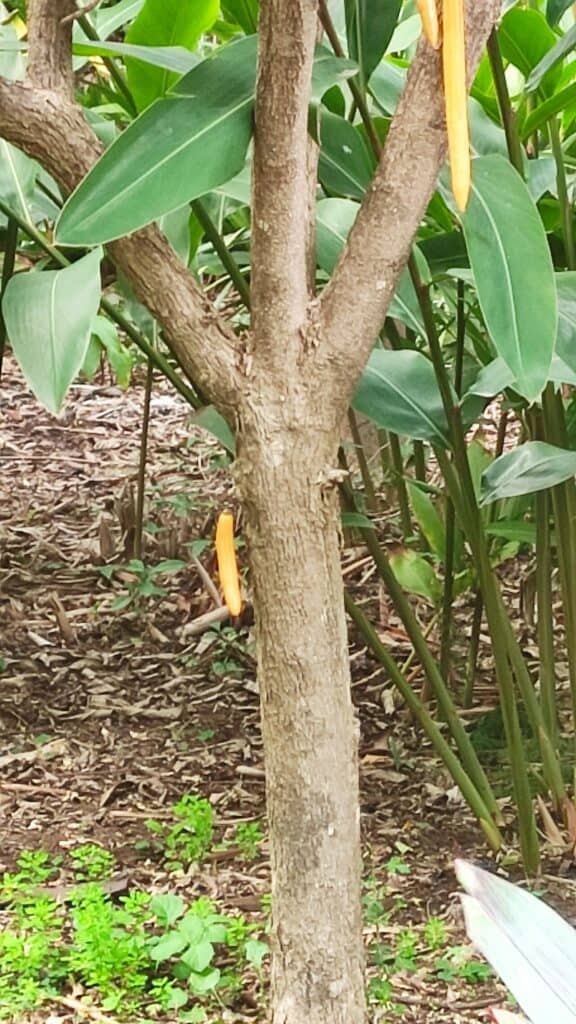
From Seed to Supper: Growing Your Own Candle Tree (Parmentiera cereifera)
Imagine a tree adorned not just with leaves, but with dangling, waxy, edible "candles." This isn’t a scene from a fantasy novel, but the reality of the fascinating Parmentiera cereifera, commonly known as the Candle Tree. Native to Panama and commonly found across Central America, this unique tree with its unusual fruit is a conversation starter and a potential source of sustainable food. If you’re intrigued, you might be surprised to learn that growing your own Candle Tree, while requiring some patience, is an achievable feat!
Seeding the Future: Propagating from Seed
The most common – and arguably most rewarding – method for propagating Candle Trees is from seed. Here’s how:
- Sourcing Seeds: Fresh seeds from ripe fruit offer the highest germination rates. Look for fruit that’s fallen from the tree and has a slightly soft texture. If you don’t live in a region where Candle Trees grow, you can purchase seeds online from reputable vendors.
- Preparing the Seeds: Candle Tree seeds have a hard outer coating that can hinder germination. To speed up the process, gently scarify the seeds by rubbing them between two pieces of sandpaper or nicking them with a nail clipper. Soaking the seeds in warm water for 24 hours after scarification further aids germination.
- Sowing the Seeds: Use a well-draining seed starting mix and sow the seeds about an inch deep in small pots. Water thoroughly and keep the soil consistently moist but not waterlogged.
- Patience is Key: Germination can take anywhere from a few weeks to a couple of months. Ensure the pots are placed in a warm (around 75°F or 24°C), bright location, but out of direct sunlight.
- Transplanting Time: Once the seedlings have developed a few sets of true leaves and are about 6 inches tall, they’re ready to be transplanted into larger pots or directly into the ground.
Branching Out: Propagation from Cuttings
While less common, propagating Candle Trees from cuttings is possible, offering a quicker route to mature trees. Here’s a simplified method:
- Selecting the Cutting: Choose a healthy, semi-hardwood branch from the current season’s growth. It should be approximately 6-8 inches long and free from any diseases or pests.
- Preparing the Cutting: Remove the leaves from the bottom third of the cutting. Dip the cut end in rooting hormone powder to encourage root development.
- Planting the Cutting: Insert the cutting into a well-draining potting mix, burying at least a third of its length.
- Creating a Humid Environment: Cover the pot with a clear plastic bag or use a propagation dome to maintain high humidity, which is crucial for successful rooting.
- Monitoring and Care: Place the cutting in a warm, bright location, out of direct sunlight. Mist regularly to keep the environment humid. Rooting can take several weeks to a couple of months. Once new growth appears, it signals successful rooting. You can then gradually acclimatize the cutting to normal humidity before transplanting it to a larger pot or outdoors.
Nurturing Your Candle Tree
Candle Trees thrive in warm climates and prefer well-draining soil with a slightly acidic to neutral pH. They are relatively drought-tolerant once established but appreciate regular watering, especially during dry spells. Fertilize your tree a few times a year with a balanced fertilizer to support healthy growth and fruit production.
Growing your own Candle Tree is a rewarding experience, allowing you to cultivate a unique and intriguing species. With a little patience and care, you’ll soon be enjoying the unusual beauty of this tree, potentially even serving up some delicious and nutritious candle-like fruit!