
From One to Many: Unveiling the Secrets of Propagating Fringed Grass of Parnassus
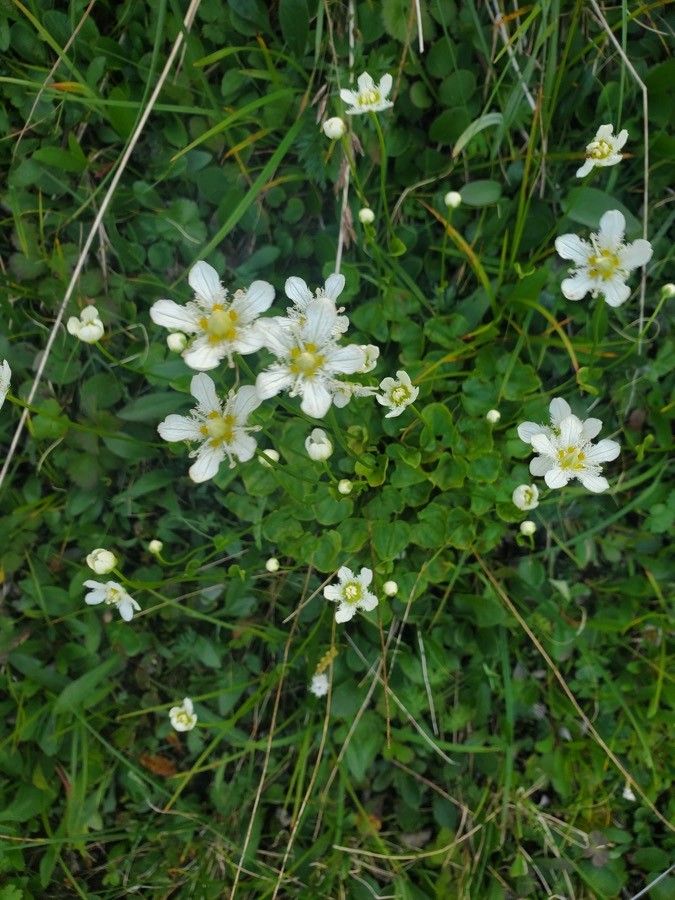
Have you ever stumbled upon the delicate beauty of Parnassia fimbriata, also known as the Fringed Grass of Parnassus? With its white, star-shaped flowers adorned with fringe-like sepals and a single, prominent yellow “eye” at the center, this wildflower is a true gem of the botanical world.
But what if you could share that beauty? What if you could cultivate your own little patch of these captivating blooms? That’s where propagation comes in! In this guide, we’ll delve into the fascinating world of Parnassia fimbriata propagation, exploring techniques that will allow you to bring more of these lovely wildflowers into your own garden.
Understanding Parnassia fimbriata
Before we embark on the propagation journey, a brief introduction to this unique plant is in order. Native to North America, Parnassia fimbriata thrives in moist, sunny to partially shaded conditions. It thrives in meadows, bogs, and even along stream banks, showcasing its adaptability and resilience.
Methods of Propagation: Two Options
The good news is that Parnassia fimbriata can be propagated through two primary methods:
-
Seed Propagation: This method allows you to cultivate new plants from the seeds produced by the flowers. However, it demands patience as germination can take several months. Here’s a breakdown of the process:
- Collect seeds: Once the seed pods develop (usually in late summer or early fall), gently gather the seeds and allow them to dry completely in a cool, well-ventilated area.
- Sow the seeds: Sow the seeds on the surface of moist, well-draining seed-starting mix. Avoid burying them deeply as they need light to germinate.
- Maintain moisture and light: Keep the soil consistently moist but not soggy. Place the seed tray in a bright but indirect light location.
- Patience is key: It may take up to 3 months for the seeds to germinate. Once seedlings emerge, ensure they receive adequate light and moisture.
- Division: This method involves separating portions of an existing plant to create new ones. It’s generally the faster and more reliable option.
- Timing is everything: The best time for division is typically in early spring or late summer, when the plant is actively growing.
- Prepare the plant: Carefully dig up the plant and gently remove any excess soil.
- Divide and conquer: Separate the plant into multiple sections, ensuring each division has healthy roots and foliage.
- Repot and water: Plant the divisions in moist, well-draining soil and water them thoroughly.
Beyond the Basics: Tips for Success
- Soil Matters: Parnassia fimbriata prefers a well-draining but moist soil rich in organic matter. A mix of peat moss, compost, and sand can be ideal.
- Sunlight is Key: While it can tolerate some shade, it thrives in a spot that receives 4-6 hours of sunlight daily.
- Water Wisely: Keep the soil consistently moist but not soggy. Allow the top layer to dry slightly between waterings.
Sharing the Beauty:
By mastering the art of propagation, you can transform your own garden into a flourishing haven for these exquisite wildflowers. Spread the beauty of Parnassia fimbriata with friends and family, and watch as these enchanting blooms bring a touch of wild elegance to every corner of your world.