
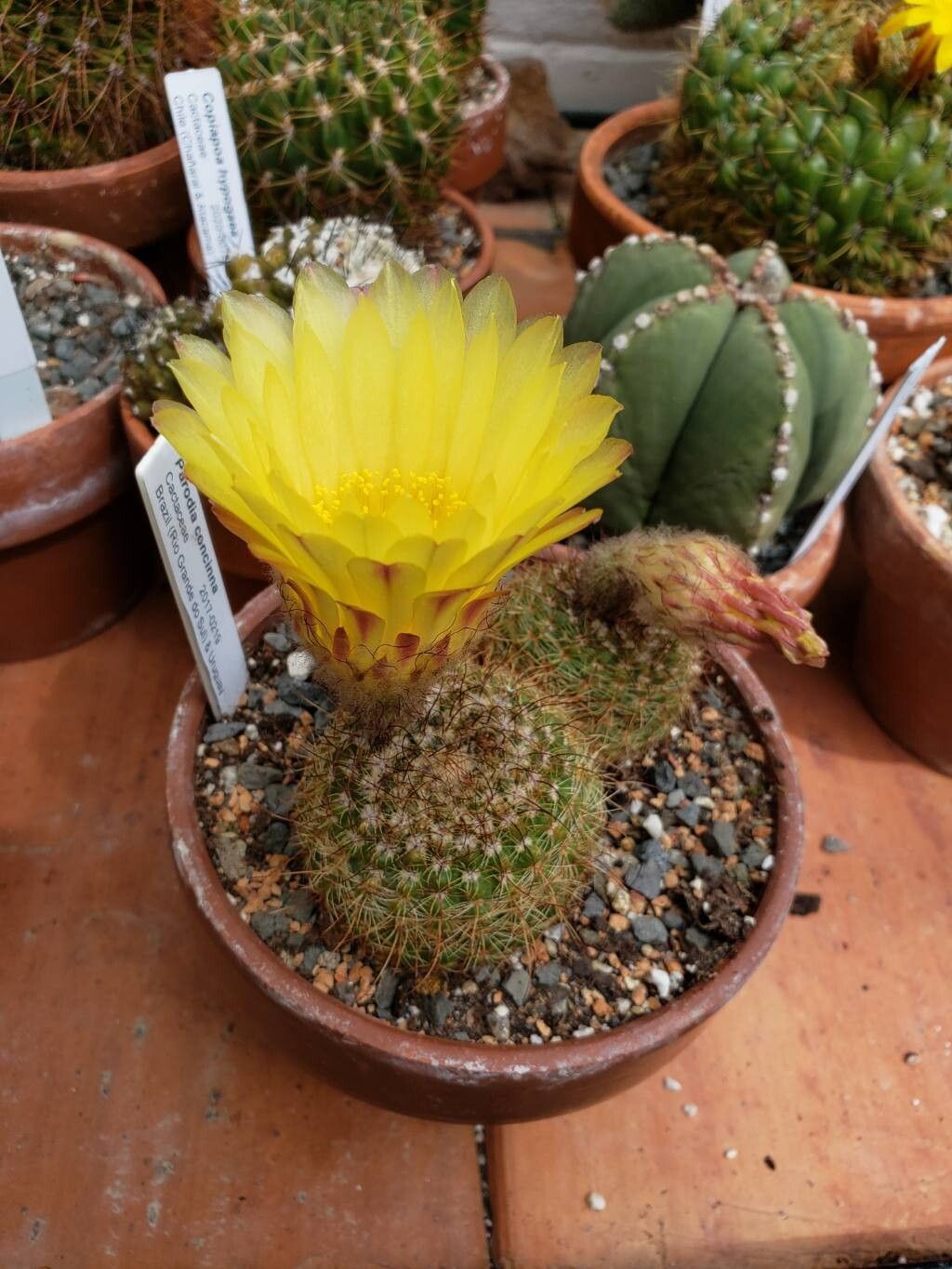
Propagating Parodia concinna: A Gardener’s Guide to the Red-Spined Ball Cactus
Introduction:
Parodia concinna, commonly known as the Red-Spined Ball Cactus, is a captivating small-to-medium sized cactus prized for its dense, spiny covering and vibrant reddish-orange spines that contrast beautifully with its greenish-grey body. Its relatively compact size and ease of care (compared to some other cacti) make it a popular choice for both beginners and seasoned succulent enthusiasts. Its popularity extends beyond its aesthetic appeal; its successful propagation offers a satisfying challenge and the opportunity to share this beautiful plant. However, unlike some readily propagated succulents, Parodia concinna presents certain hurdles in its propagation.
Seed Germination:
Seed germination is a viable method for propagating Parodia concinna, but it presents its own set of challenges. The primary difficulty lies in achieving a high germination rate. Seeds are often tiny and require specific conditions for successful sprouting.
Challenges: Low germination rates due to dormancy, susceptibility to fungal diseases in damp conditions, and the need for precise temperature and humidity control.
Practical Tips: Sow seeds in well-draining cactus and succulent seed-starting mix. Maintain a consistently warm temperature (around 21-27°C/70-80°F) using a heat mat. Provide bright, indirect light. Avoid overwatering; use a gentle misting to maintain slight moisture. Consider using a fungicide to prevent damping off. Stratification (a period of cold treatment) is not typically required for Parodia concinna seeds.
Rewards: High genetic diversity amongst offspring, potential for large-scale propagation, and the satisfaction of nurturing seeds to maturity.
Cuttings:
Currently, there are no known reliable methods for propagating Parodia concinna from stem cuttings. The cactus does not readily produce offsets or easily root from cuttings. Attempts are likely to result in rotting before root development occurs.
Division:
Division is a relatively successful method of propagation for Parodia concinna, especially when the plant has produced offsets (or "pups") – smaller plants growing at the base of the mother plant.
Challenges: Requires a mature plant with several offsets. Improper handling can damage both the mother plant and the offsets.
Practical Tips: Carefully remove offsets with a sharp, sterile knife or scissors, ensuring each offset retains a healthy portion of roots. Allow the cut surfaces to callous for a few days before planting in well-draining cactus soil. Water sparingly initially to avoid root rot.
Rewards: Relatively straightforward method with high success rate once offsets are available. Produces genetically identical plants to the parent.
Tissue Culture:
Tissue culture techniques, while effective, are considerably more complex and require specialized equipment, sterile conditions, and expert knowledge. This method is generally not feasible for home propagation.
Challenges: Requires specialized laboratory equipment, aseptic conditions, and experienced personnel. High initial investment and ongoing maintenance costs.
Practical Tips: This method is best left to professional nurseries or research labs.
Rewards: Rapid propagation of a large number of genetically identical plants, disease-free stock, ability to propagate rare or endangered varieties.
Conclusion:
Propagating Parodia concinna presents a mixed bag of challenges and rewards. Seed germination offers genetic diversity but requires patience and precisely controlled conditions, whereas division provides an easier method for multiplying existing plants. Cuttings and tissue culture are not practical methods for the average home gardener. The satisfaction of successfully cultivating these cacti, born from overcoming the hurdles mentioned, is immense – a testament to the gardener’s dedication and expertise. Aspiring propagators should start with the division method if offsets are available or attempt seed germination if prepared to tackle the challenges involved with careful attention to detail and patience. The beauty and resilience of the Red-Spined Ball Cactus are well worth the effort.