
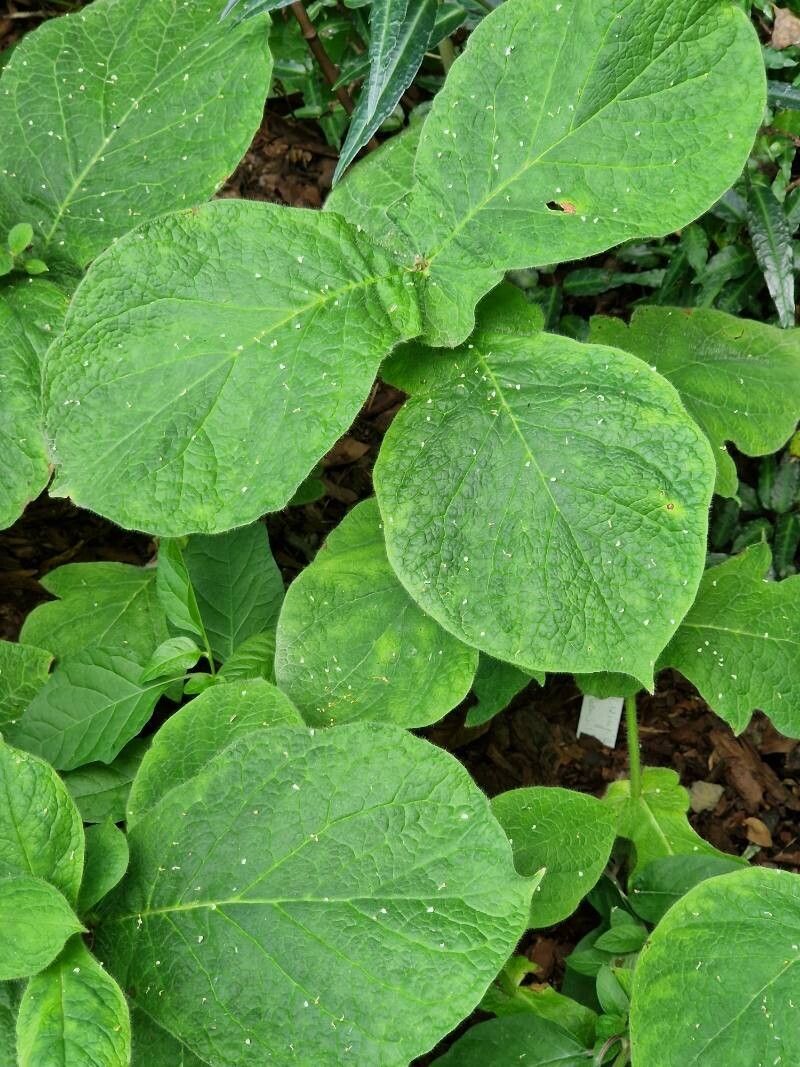
Propagating Triosteum pinnatifidum: A Gardener’s Guide to the Pinnate-leaved Horse Gentian
Introduction:
Triosteum pinnatifidum, commonly known as the pinnately-lobed horse gentian, is a captivating woodland perennial prized for its understated elegance. Its deeply lobed leaves, resembling finely dissected ferns, create a textural contrast in shady gardens, while its inconspicuous flowers give way to interesting, somewhat bizarre-looking berries. While not as widely cultivated as some other woodland plants, its unique foliage and adaptability have earned it a growing following among gardeners seeking less common additions to their shade gardens. Propagation, however, presents some challenges, making successfully growing Triosteum pinnatifidum from seed or cuttings a rewarding, albeit sometimes frustrating, endeavor.
Seed Germination:
Currently, there are no known reliable methods for seed germination propagation of Triosteum pinnatifidum. While seeds are produced, their germination rates are reportedly extremely low, and successful germination has not been consistently documented in horticultural literature. Further research is needed to determine if specific pre-treatments, such as scarification or extended cold stratification, might improve germination success.
Cuttings:
Propagating Triosteum pinnatifidum from cuttings presents challenges, but offers a potentially more reliable method than seed germination.
Challenges: Rooting success is low due to the plant’s potentially slow growth and susceptibility to rot.
Practical Tips: Semi-hardwood cuttings taken in late summer or early autumn, using a rooting hormone, and placed in a moist, well-draining propagation mix under mist are recommended. High humidity and bottom heat may enhance rooting.
Rewards: Successful rooting from cuttings provides genetically identical plants, preserving desirable traits. It allows for more efficient propagation once a successful technique is mastered.
Division:
Division offers the most straightforward and reliable method for propagating Triosteum pinnatifidum.
Challenges: The plant’s relatively slow growth rate means that divisions must be carefully made to ensure each section has sufficient root mass and crown to survive. Disturbing the root system can cause stress and slow growth.
Practical Tips: Division should be attempted in early spring or autumn, during periods of active growth. Carefully dig up the plant, gently separating the crown into sections with several strong roots. Replant each division in a similar environment as the parent plant.
Rewards: Division offers the quickest way to increase your Triosteum pinnatifidum stock with relatively high success rates. It’s less technically demanding than other methods.
Tissue Culture:
While tissue culture could potentially offer a solution for large-scale propagation of Triosteum pinnatifidum, it requires specialized equipment and expertise and is not generally a feasible method for home gardeners.
Challenges: Developing suitable protocols for Triosteum pinnatifidum tissue culture would require considerable research and experimentation.
Practical Tips: This method is best left to specialized nurseries or research institutions.
Conclusion:
Successfully propagating Triosteum pinnatifidum presents distinct challenges across all methods. While seed germination remains elusive, division offers the most accessible and reliable path for home gardeners to increase their plant numbers. Cuttings present a more challenging but viable alternative. The unique difficulties involved underscore the satisfaction derived from successfully cultivating this understated beauty. The patience and persistence required to propagate this plant are rewarded with the knowledge that you have successfully grown a plant often overlooked by commercial nurseries. For aspiring propagators, mastering the art of division is an excellent starting point, building confidence and experience for tackling the more challenging methods later. Remember to mimic the plant’s natural woodland habitat to increase your chances of success.