
Don’t Let It Spread: Understanding Parthenium hysterophorus Propagation
Parthenium hysterophorus, commonly known as Parthenium weed, is a highly invasive plant that can wreak havoc on ecosystems and agriculture. While it’s crucial to prevent its spread, understanding its propagation methods is key to controlling this tenacious plant.
A Seed-Driven Invasion
Parthenium hysterophorus primarily propagates through seeds. Each plant can produce up to 10,000 tiny seeds, which readily disperse through the wind, water, and even animals. These seeds can remain viable in the soil for several years, making eradication a challenging task.
The Surprising Truth About Vegetative Propagation
While less common, Parthenium hysterophorus can also reproduce through vegetative propagation, a process where new plants arise from existing plant parts.
- Root fragments: Even small pieces of root left behind during removal can develop into new plants, making complete eradication difficult.
- Stem fragments: Broken stems, especially those bearing buds, can also take root and establish new plants.
Understanding the Propagation Mechanism: A Crucial First Step
The ability of Parthenium hysterophorus to propagate through both seeds and vegetative means poses a significant challenge for its control. Implementing effective management strategies requires a deep understanding of these propagation mechanisms.
Preventing Spread: A Multi-Pronged Approach
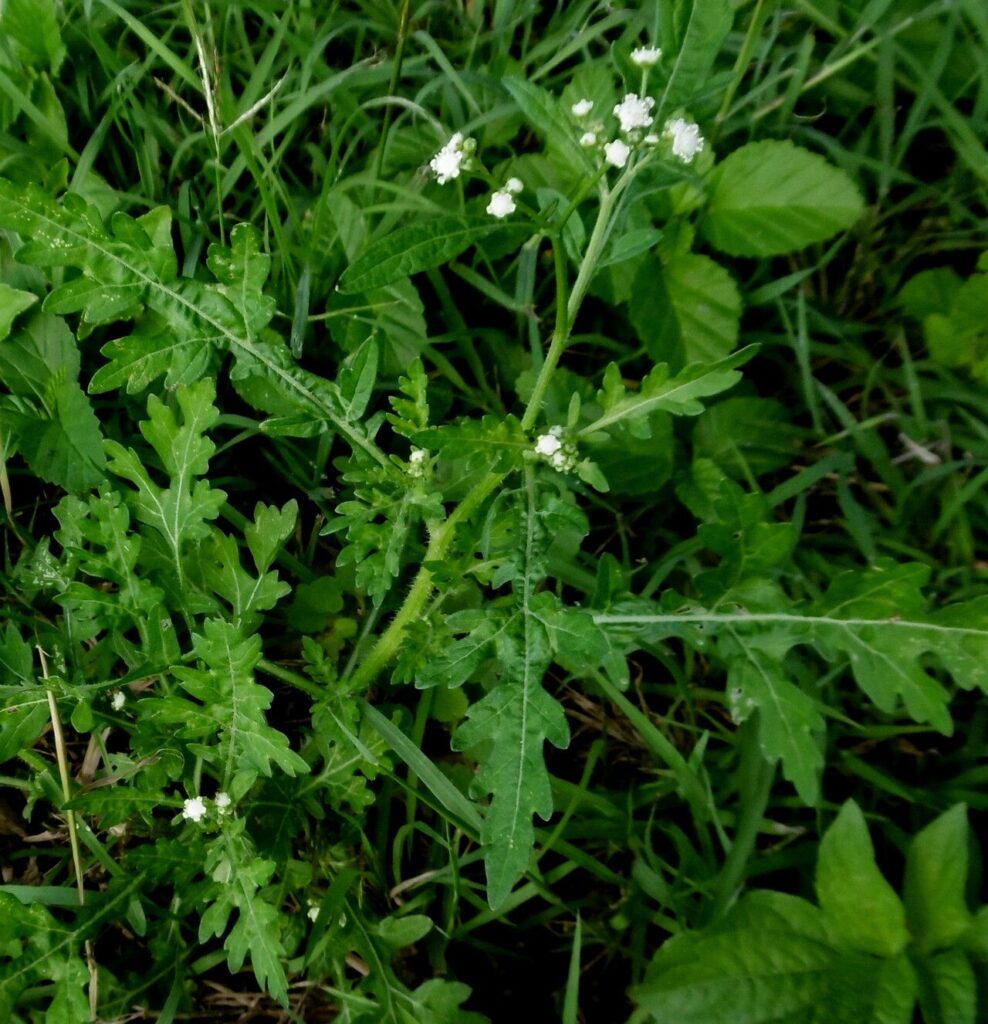
- Early Detection: Regular monitoring and prompt identification of Parthenium plants are essential for timely management. Familiarize yourself with the plant’s distinctive features, including its feathery leaves, small white flowers, and rough, hairy stems.
- Manual Removal: Hand-pulling or cutting plants before seed production is a crucial step, especially for smaller infestations. Remember to dispose of these plants carefully to prevent seed dispersal.
- Chemical Control: In heavily infested areas, chemical herbicides may be used, but only under the guidance of qualified professionals.
- Biological Control: Research is ongoing to explore the potential of using natural enemies like insects and fungi to control Parthenium hysterophorus.
A Collaborative Effort:
Controlling the spread of Parthenium hysterophorus requires a concerted effort. It’s important to inform others about this invasive plant and encourage them to take action. Working together, we can minimize the negative impacts of Parthenium and protect our ecosystems.
Remember, knowledge is power! By understanding the methods of Parthenium hysterophorus propagation, we can effectively combat its spread and protect our environment.