
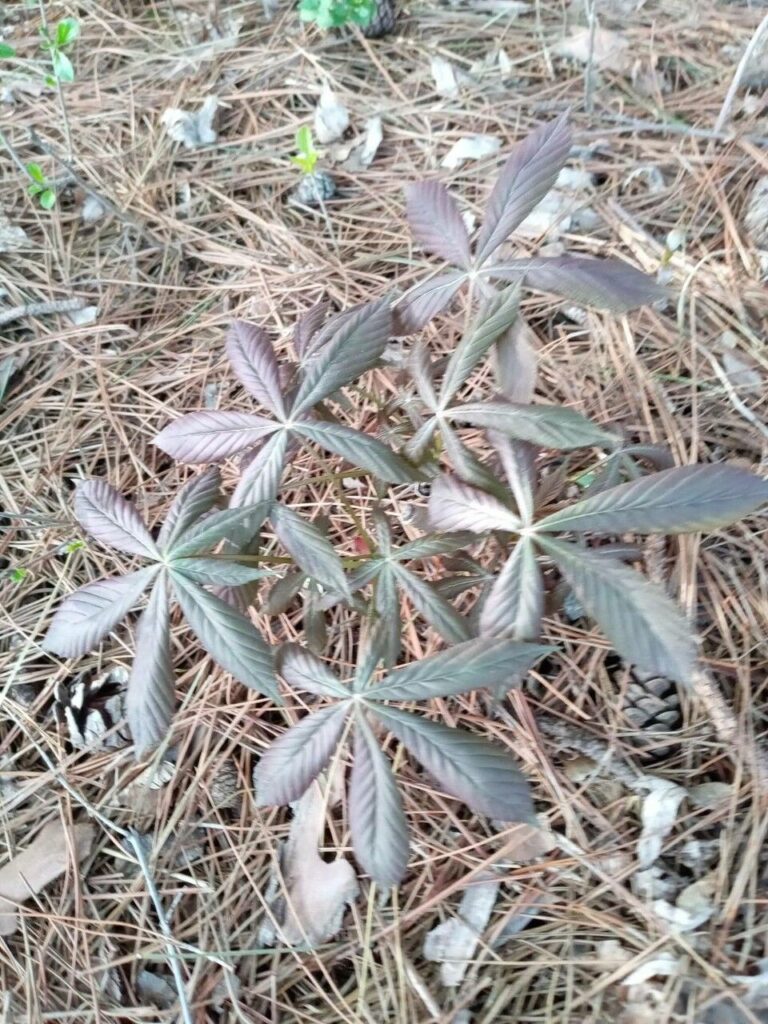
Climbing to New Heights: Mastering Virginia Creeper Propagation
The lush foliage and vibrant fall colors of Virginia creeper (Parthenocissus heptaphylla) make it a favorite for adding a touch of wilderness to gardens and walls. This fast-growing vine is surprisingly easy to propagate, offering numerous ways to multiply your stock or share its beauty with friends.
This guide explores the simple techniques that will turn you into a Virginia creeper propagation pro, allowing you to easily fill your garden with this versatile climber.
Understanding Virginia Creeper:
Before diving into propagation, it’s helpful to understand this vigorous vine. Parthenocissus heptaphylla, also known as sevenleaf creeper, is a deciduous, self-clinging vine native to eastern and central North America. While similar to its cousin, the Virginia creeper (Parthenocissus quinquefolia), it’s distinguishable by its seven leaflets (compared to five) and its tendency to remain glossy even in drought conditions.
Methods for Propagation:
Virginia creeper boasts impressive adaptability, offering several successful propagation methods:
1. Seed Propagation:
- Collection: Harvest ripe, dark berries in the fall and extract the small seeds.
- Stratification: Though not mandatory, a period of cold stratification (about 6-8 weeks) in moist sand in the refrigerator can increase germination rates.
- Sowing: In spring, sow the seeds in a well-draining seed starting mix, lightly covering them. Keep the soil consistently moist and warm.
- Germination: Expect germination within 2-4 weeks.
- Timing: The ideal time is during dormancy, from late fall to early spring, before new growth emerges.
- Preparation: Select healthy, pencil-thick stems from the previous year’s growth. Cut 6-8 inch sections, making the top cut just above a bud and the bottom cut below a bud.
- Treatment (optional): Dipping the bottom inch of the cuttings in rooting hormone can encourage faster root development.
- Planting: Insert the cuttings into a mix of perlite and peat moss, burying at least two nodes below the surface. Keep the soil moist.
- Rooting: In 4-8 weeks, the cuttings should develop roots, and you can transplant them to individual pots or directly into the ground.
3. Layering:
- Process: This natural propagation method takes advantage of the vine’s ability to root along stems. Choose a long, flexible stem and make a small wound on the underside.
- Bury & Secure: Bury the wounded portion of the stem under a couple of inches of soil and secure it with a rock or landscape pin.
- Rooting: Keep the area consistently moist. After a few weeks, gently tug on the stem; if you feel resistance, roots have formed. Then, you can sever the rooted section from the main plant.
Tips for Success:
- Well-draining soil: Virginia creeper thrives in well-drained soil and doesn’t tolerate soggy roots.
- Consistent moisture: Keep the soil consistently moist but avoid overwatering, especially for young plants and cuttings.
- Sunlight: Choose a location with partial to full sun. Though tolerant of shade, the plant will achieve its most vibrant fall color in sunnier locations.
A Rewarding Endeavor:
Propagating Virginia creeper isn’t just straightforward but also remarkably rewarding. It allows you to multiply your existing vine, fill your garden with vibrant foliage, and enjoy its signature fiery fall display year after year. So why not unearth your inner gardener and embark on this rewarding journey of propagation with the stunning Parthenocissus heptaphylla?