
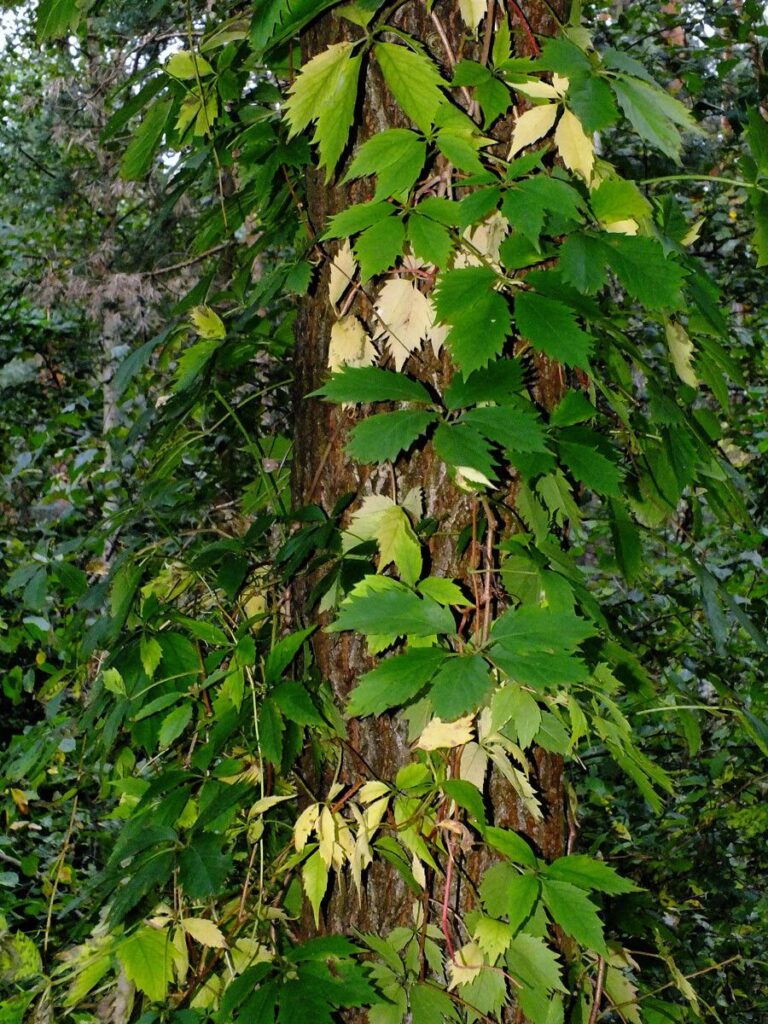
From One Vine to Many: Mastering the Art of Propagating Virginia Creeper
The vibrant hues of fall foliage aren’t the only thing that makes Virginia creeper (Parthenocissus quinquefolia) a beloved sight. This fast-growing vine is also a remarkably easy plant to propagate, making it a great choice for both seasoned gardeners and green thumbs in training.
Whether you’re looking to fill a bare wall, create a lush natural screen, or simply share the beauty of this hardy vine with friends, propagation is the key. It’s a rewarding process that allows you to multiply your plants, ensuring a plentiful supply of Virginia creeper for years to come.
The Basics of Virginia Creeper Propagation:
The good news is, Virginia creeper has a talent for self-propagation. You’ve probably seen it spreading naturally through its vine-like tendrils. Taking advantage of this natural tendency makes propagation a breeze! Here are the most common methods:
- Timing: Early summer is the ideal time for softwood cuttings. Look for new growth that is still flexible and pliable.
- Process:
- Cut a stem about 4-6 inches long, just below a leaf node.
- Remove the lower leaves and make a shallow cut just above the bottom node.
- Insert the cutting into a pot filled with a well-draining potting mix.
- Keep the soil moist and the cutting in bright, indirect light.
- In about 4-6 weeks, your cutting should have developed roots and be ready to be planted in its permanent location.
2. Semi-Hardwood Cuttings:
- Timing: Late summer or early fall is the time for semi-hardwood cuttings. Choose stem sections that are still pliable but have begun to harden.
- Process: This method mirrors the softwood cuttings procedure, but the cuttings are allowed to root indoors for a few months before being transplanted outside in the spring.
3. Layering:
- Timing: This method works best in spring or early summer.
- Process:
- Bend a healthy vine towards the ground and gently bury a section beneath the soil.
- Keep the soil moist and, as the season progresses, the buried section will develop its own root system.
- Once the roots are established, cut the vine away from the mother plant, resulting in a new, independently rooted Virginia creeper.
Tips for Success:
- Clean Tools: Use sharp, clean shears or pruning knife to prevent the spread of disease.
- Rooting Hormone: While not essential, rooting hormone can increase the success rate of your cuttings.
- Moisture and Humidity: Make sure the cuttings or layers remain consistently moist, perhaps placing a plastic dome over them to enhance humidity.
- Patience: Propagation takes time. Don’t be discouraged if your cuttings don’t show signs of growth immediately. Be patient and consistent in your care.
Beyond the Basics:
While these are the most common propagation methods, Virginia creeper can also be propagated from seeds or root divisions. You can experiment with different techniques to find the best fit for you and your specific goals.
Growing Your Own Virginia Creeper:
From a single source plant, propagation allows you to create a thriving collection of Virginia creeper. Whether you’re adorning your garden with its climbing beauty, sharing the joy of their vibrant hues, or simply experiencing the satisfaction of nurturing new life, this resourceful vine offers a fulfilling experience for both novice and seasoned gardeners. So, get your hands dirty, put your green thumb to work, and let the magic of Virginia creeper propagation transform your garden!