
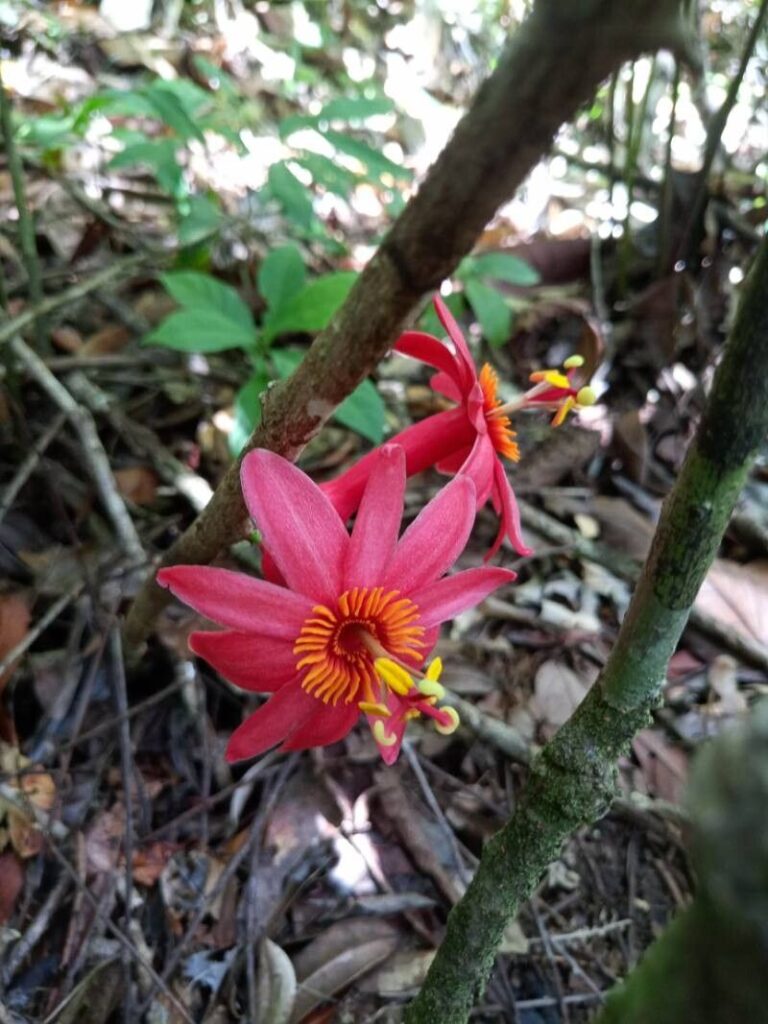
Unveiling the Secrets of Passionflower Propagation: A Guide to Growing Your Own Passiflora Amoena
The Passiflora amoena, with its delicate, intricate blooms and lush foliage, is a sight to behold. But did you know that you can easily bring this beauty into your own garden by propagating it from cuttings? This guide delves into the secrets of Passiflora amoena propagation, making it a breeze to cultivate your own blossoming paradise.
Why Propagate Passiflora Amoena?
There’s a certain satisfaction in nurturing a plant from a tiny cutting into a flourishing vine. Beyond the personal fulfillment, propagating Passiflora amoena offers several advantages:
- Cost-effective: Instead of purchasing new plants, you can create numerous new plants from your existing one.
- Preserves unique characteristics: By propagating from your own plant, you can ensure that the offspring hold the same enticing qualities as the parent.
- Versatile option: Propagation provides a great way to share this beautiful plant with friends, family, or even to fill empty spaces in your garden.
The Art of Propagation: Choosing the Right Cuttings
Success in propagation hinges on choosing the right cuttings. Aim for healthy and vigorous growth:
- Timing is key: Take cuttings during the growing season, usually from late spring to early fall.
- Select non-flowering stems: Choose stems that are about 6-8 inches long, free from disease or pests, and have at least 3 nodes (the bumps along the stem where leaves grow).
- Sharp tools: Use clean, sharp scissors or pruning shears to make clean cuts at an angle just below a node.
Methods for Passiflora amoena Propagation
1. Stem Cuttings:
- Preparation: Remove leaves from the lower 2-3 nodes of your cutting.
- Rooting: Dip the cut end in rooting hormone (optional). Plant the cutting in a well-draining, moist potting mix, ensuring that at least one node is buried.
- Humidity is vital: Cover the cutting with a clear plastic bag or a propagation dome to create a humid environment. Keep the soil moist but not waterlogged.
- Patience is key: Depending on the environment and conditions, roots can take 4-6 weeks to develop. Once new growth emerges, you can gradually acclimate the cutting to sunlight and eventually transplant it into a larger pot or directly into the garden.
2. Air Layering:
This method works best for larger, established Passiflora amoena plants:
- Preparation: Choose a healthy stem about 1-2 feet from the ground.
- Making the incision: Gently scrape a thin strip of bark off the stem (about 1-2 inches long).
- Applying rooting hormone: Apply a rooting hormone to the exposed tissue and wrap it in moistened sphagnum moss.
- Supporting the moss: Secure the moss with plastic wrap and tape.
- Monitoring: Keep the moss consistently moist. In a few months, roots will develop around the moss.
- Separation: Cut the air-layered portion below the roots and plant it in a pot.
Final Thoughts:
Whether you choose stem cuttings or air layering, patience and consistency are key to successful Passiflora amoena propagation. Creating your own plant from cuttings is a rewarding journey that allows you to witness the magic of growth and enjoy the beauty of these exquisite vines for years to come. So get your hands dirty, try out propagation, and discover the joy of nurturing your own Passiflora amoena paradise.