
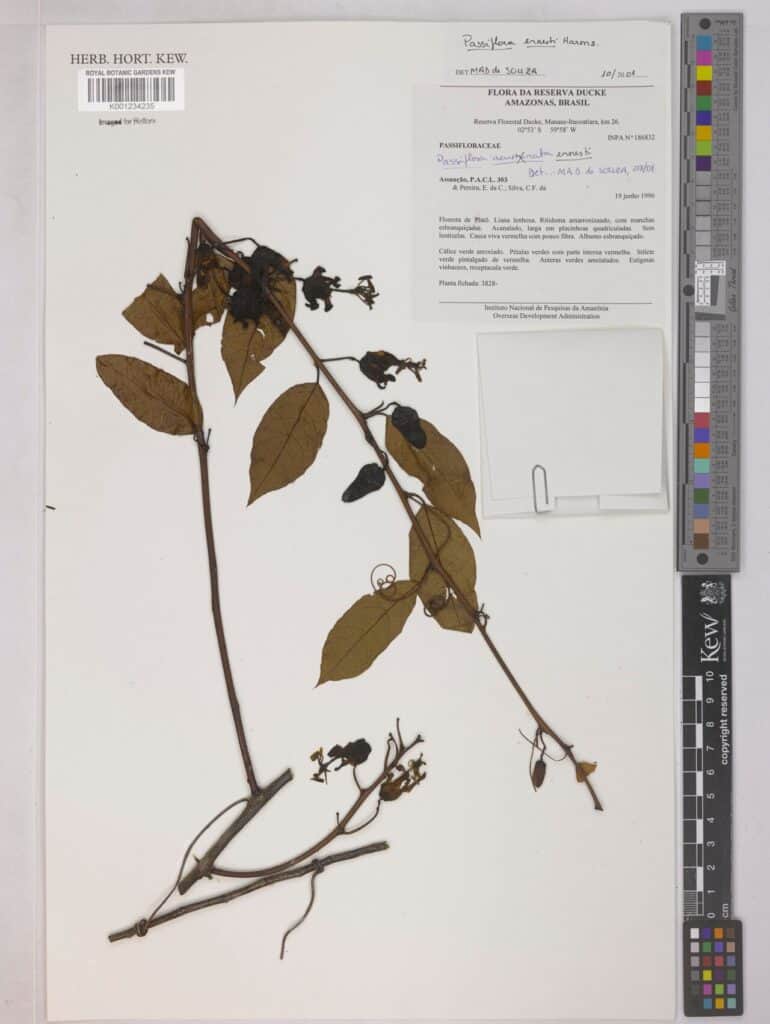
Unlocking the Secrets of Passiflora ernestii: A Propagation Guide for Stunning Vines
The world of passionflowers is a captivating one, filled with intricate blooms and vigorous vines. Among these botanical beauties lies Passiflora ernestii, a lesser-known but equally stunning species boasting vibrant red flowers with unique, elongated filaments. If you’re looking to add this exotic climber to your garden, understanding its propagation is key.
While Passiflora ernestii might sound intimidating, don’t worry – this guide will demystify the process, offering a step-by-step approach to successfully propagate this striking vine.
Two Paths to Propagation:
There are two primary methods for propagating Passiflora ernestii:
-
Seed Propagation: This method requires patience, as it can take several weeks or even months for seeds to germinate.
- Source your seeds: Obtain fresh seeds from ripe fruits, or purchase them from a reputable supplier specializing in passionflowers.
- Prepare for germination: Soak the seeds in warm water for 24 hours to soften the outer shell, increasing the chances of successful germination.
- Plant with care: Sow the seeds in a well-draining seed starting mix, covering them lightly with soil. Maintain a warm and humid environment, using a propagator or a plastic bag to create a greenhouse effect.
- Patience is key: Germination time can vary significantly. Be patient and ensure the soil remains consistently moist but not waterlogged.
- Transplanting success: Once the seedlings develop a strong root system and several sets of true leaves, transplant them into individual pots with a well-draining potting mix.
-
Cuttings: This method offers quicker results, allowing you to create a genetically identical plant.
- Timing is everything: The ideal time to take cuttings is in late spring or early summer when the plant is actively growing.
- Choose your weapons: Select healthy, non-flowering stems. Using a clean, sharp knife or pruning shears, make a cut about 4-6 inches long, just below a leaf node.
- Prepare the cuttings: Remove the lower leaves from the cutting, leaving 2-3 leaves at the top. You can dip the cut end in rooting hormone powder to encourage faster root development, although it’s not strictly necessary.
- Create a nurturing environment: Plant the cuttings in a well-draining potting mix, burying at least one leaf node. Water thoroughly and cover the pot with a clear plastic bag or use a propagator to maintain humidity.
- Monitor and care: Place the cuttings in a warm, bright location but out of direct sunlight. Check the moisture levels regularly and mist the cuttings to maintain humidity.
- Rooting success: After a few weeks, gently tug on the cuttings to check for resistance. If you feel resistance, it indicates root development. You can then gradually acclimatize the rooted cuttings to outdoor conditions before potting them up or planting them in their final location.
Nurturing your new Passiflora ernestii:
Whether you choose seed propagation or cuttings, providing the right care is essential for your new Passiflora ernestii to thrive:
- Well-draining soil: Use a potting mix specifically formulated for tropical plants or amend regular potting soil with perlite or sand to improve drainage.
- Sunlight requirements: Ensure your plant receives at least 6 hours of sunlight daily for optimal growth and flowering.
- Watering wisdom: Water deeply when the top inch of soil feels dry, allowing excess water to drain. Avoid overwatering, as it can lead to root rot.
- Support system: Being a climbing vine, Passiflora ernestii will need a trellis, arbor, or other sturdy structure to climb on.
- Fertilize regularly: Feed your plant with a balanced, water-soluble fertilizer during the growing season to support healthy growth and flowering.
Propagating Passiflora ernestii is a fulfilling endeavor for any plant enthusiast. By following these steps and providing the proper care, you’ll be rewarded with stunning, vibrant blooms that will transform your garden into a captivating oasis.