
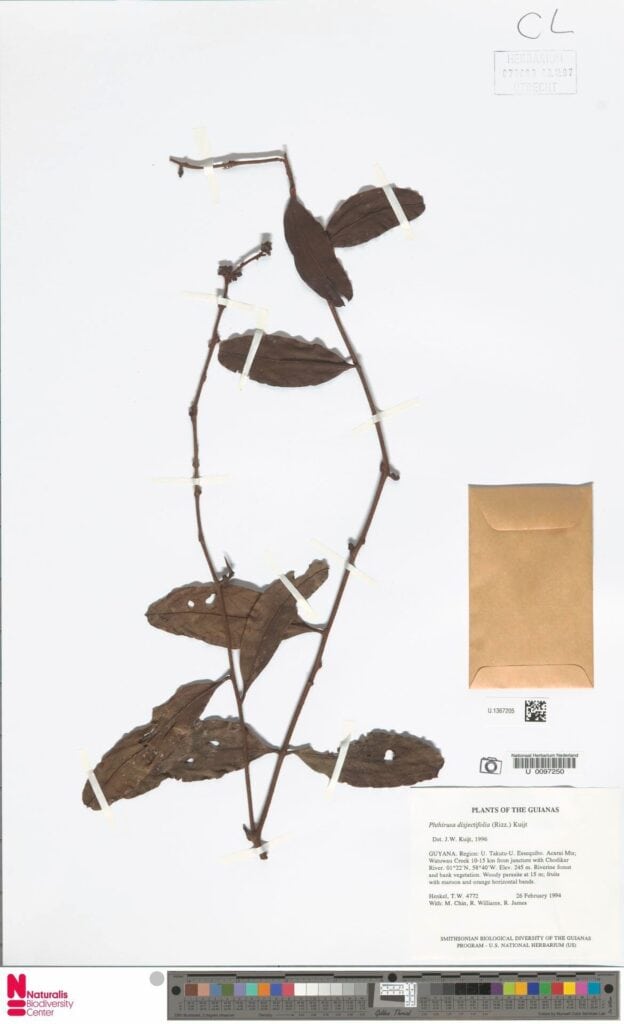
Unlocking the Secrets of Passiflora disjectifolia Propagation: A Guide to Growing This Rare Beauty
Passiflora disjectifolia, with its delicate, intricately-veined flowers and intriguing foliage, is a hidden gem in the world of passionflowers. Native to the cloud forests of the Andes, this rare vine possesses an alluring charm for plant enthusiasts seeking something unique. While cultivating this beauty can be a rewarding challenge, understanding its propagation needs is key to success. This guide delves into the techniques for successfully propagating Passiflora disjectifolia.
Seeds: A Test of Patience and Precision
Propagating Passiflora disjectifolia from seed is a rewarding, though often lengthy, process:
- Source Fresh Seeds: Obtaining fresh seeds significantly increases your chances of success. Look for reputable seed suppliers specializing in rare passionflowers.
- Mimic Nature’s Touch: The cloud forest habitat provides clues for germination. Sow seeds in a well-draining, slightly acidic seed starting mix. Lightly cover them with the medium and mist thoroughly to ensure even moisture.
- Warmth and Humidity are Key: Place the seed tray in a warm, brightly lit location, ideally with temperatures around 70-75°F (21-24°C). Maintaining high humidity is crucial; use a propagator dome or enclose the tray in a plastic bag to create a humid microclimate.
- Patience is a Virtue: Germination can take anywhere from a few weeks to several months. Be patient, ensure consistent moisture, and provide bright, indirect light throughout the process.
Cuttings: A Faster Route to Success
For quicker results, propagating Passiflora disjectifolia from cuttings is a more reliable method:
- Timing is Everything: Spring or early summer, when the plant is actively growing, is the optimal time for taking cuttings.
- Choose Healthy Stems: Select semi-ripe stems, about 4-6 inches long, with at least two nodes. Remove the leaves from the lower portion of the cutting.
- Hormone Boost: Dipping the cut end in rooting hormone powder can significantly increase the success rate by encouraging root development.
- Create the Right Environment: Plant the cuttings in a well-draining rooting mix, like a blend of peat moss, perlite, and vermiculite. Maintain consistent moisture and humidity. A humidity dome or plastic bag placed over the cuttings will help create the ideal environment.
- Signs of Success: After several weeks, you should observe new growth, indicating successful rooting. Once the cuttings are well-established, you can transplant them into individual pots.
Nurturing Your Passiflora disjectifolia
Regardless of your chosen propagation method, providing the right growing conditions is crucial for your Passiflora disjectifolia to thrive:
- Well-Draining Soil: Use a light, airy potting mix that mimics the cloud forest environment.
- Bright, Indirect Light: Position your plant in a location with ample bright, indirect light. Avoid direct sunlight, which can scorch the delicate leaves.
- Consistent Moisture: Maintain evenly moist soil, but avoid overwatering, which can lead to root rot.
- Humidity Matters: Mimic the high-humidity environment of its natural habitat by misting regularly or using a humidifier.
Propagating Passiflora disjectifolia requires patience and dedication, but the reward of witnessing this exquisite species bloom is well worth the effort. By following these techniques and providing optimal growing conditions, you can successfully propagate and enjoy the unique beauty of this rare and captivating passionflower.