
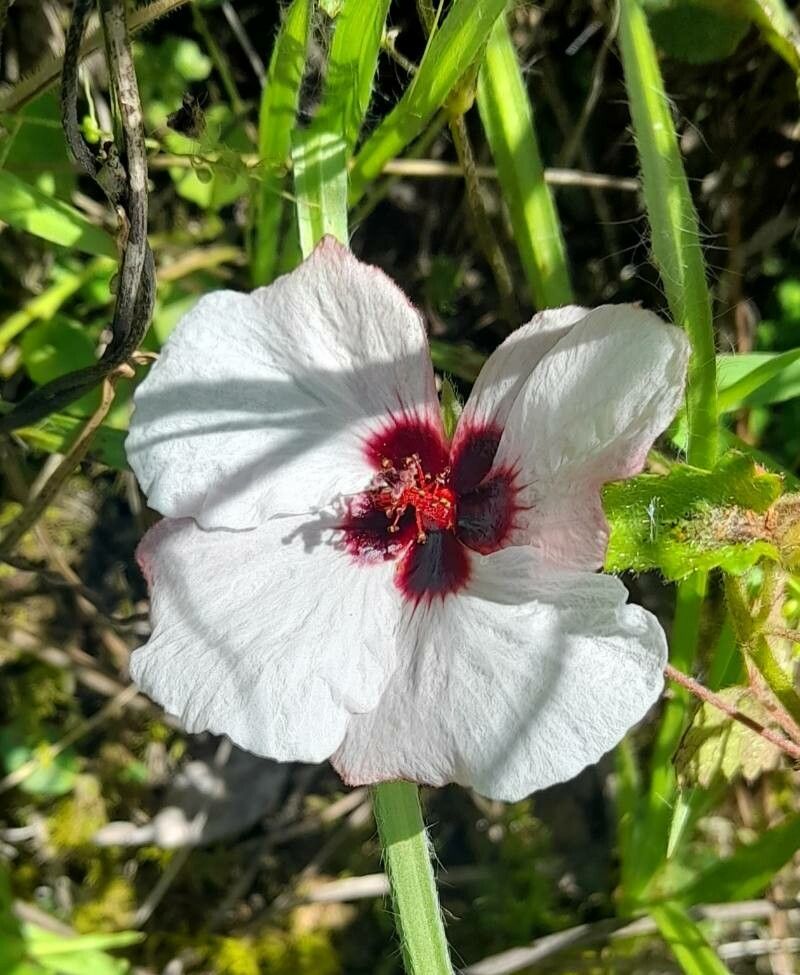
Propagating Pavonia glechomoides: A Gardener’s Guide to the “Trailing Glory”
Pavonia glechomoides, commonly known as Trailing Glory or Creeping Pavonia, is a captivating groundcover boasting vibrant, often scarlet, flowers and a generously spreading habit. Its ease of care and striking appearance have made it a favorite among gardeners, particularly those seeking low-maintenance, yet visually interesting additions to their landscapes. However, its propagation presents some unique challenges, making successful cultivation all the more rewarding.
Seed Germination:
Currently, there are no known reliable methods for seed germination propagation of Pavonia glechomoides. While the plant produces seed, germination rates are reportedly extremely low, even under ideal conditions. Further research is needed to determine if specific pre-treatment techniques (such as stratification) might improve germination success. For now, relying on other propagation methods is recommended.
Cuttings:
Cuttings offer a far more reliable method for propagating Pavonia glechomoides.
Challenges: The main challenge lies in achieving successful rooting. While the plant is relatively easy to propagate from cuttings, not all cuttings will root consistently. Using stale cuttings or employing improper techniques can lead to rot and failure.
Practical Tips: Take semi-hardwood cuttings in late summer or early autumn. Cuttings should be about 4-6 inches long, with several nodes. Remove lower leaves to prevent rot, and dip the cut ends in a rooting hormone powder. Plant the cuttings in a well-draining, moist propagation mix (e.g., perlite and peat moss) ensuring good humidity. A propagator or covering with a plastic bag to maintain humidity is highly recommended.
Rewards: Cuttings offer a fast and efficient way to increase the number of plants, maintaining the exact genetic characteristics of the mother plant. This method is ideal for propagating favored cultivars or plants with unique traits.
Division:
Division is another successful propagation method for Pavonia glechomoides.
Challenges: This method is best suited for established, well-rooted plants. Improper division can damage the plant, leading to its failure to thrive.
Practical Tips: Divide the plant in spring or early autumn when the soil is moist. Carefully dig up the entire plant and gently separate it into smaller sections, ensuring each section has healthy roots and several stems. Replant the divisions immediately, ensuring they are adequately watered.
Rewards: Division allows for quick multiplication of mature plants, and it is less technically demanding than cuttings or tissue culture.
Tissue Culture:
Tissue culture offers a potential, though technically demanding, method for producing large numbers of Pavonia glechomoides plants.
Challenges: Tissue culture requires a specialized laboratory setting, specialized media, and aseptic techniques to prevent contamination. This method comes with higher initial costs and requires specific knowledge and skills.
Practical Tips: This method is rarely attempted by home gardeners. It is best suited for commercial propagation or research purposes. Specialized protocols for Pavonia glechomoides would need to be developed.
Rewards: Tissue culture allows for the mass production of genetically uniform plants and provides an effective method for disease eradication.
Conclusion:
Propagating Pavonia glechomoides presents a spectrum of challenges across different methods. While seed propagation seems unreliable currently, cuttings and division offer practical and achievable approaches for both home and small-scale commercial gardeners. Tissue culture remains a specialized avenue requiring significant resources and expertise. The rewards, however, are well worth the effort. Successfully propagating this enchanting plant, whether through the patience required for cuttings or the careful hand needed for division, brings a unique satisfaction. The vibrant blooms of your propagated Trailing Glory will serve as a testament to your dedication and skill, offering a beautiful reminder of the joys of horticultural perseverance. Don’t be discouraged by initial setbacks – experiment with different methods and celebrate each small success along the way!