
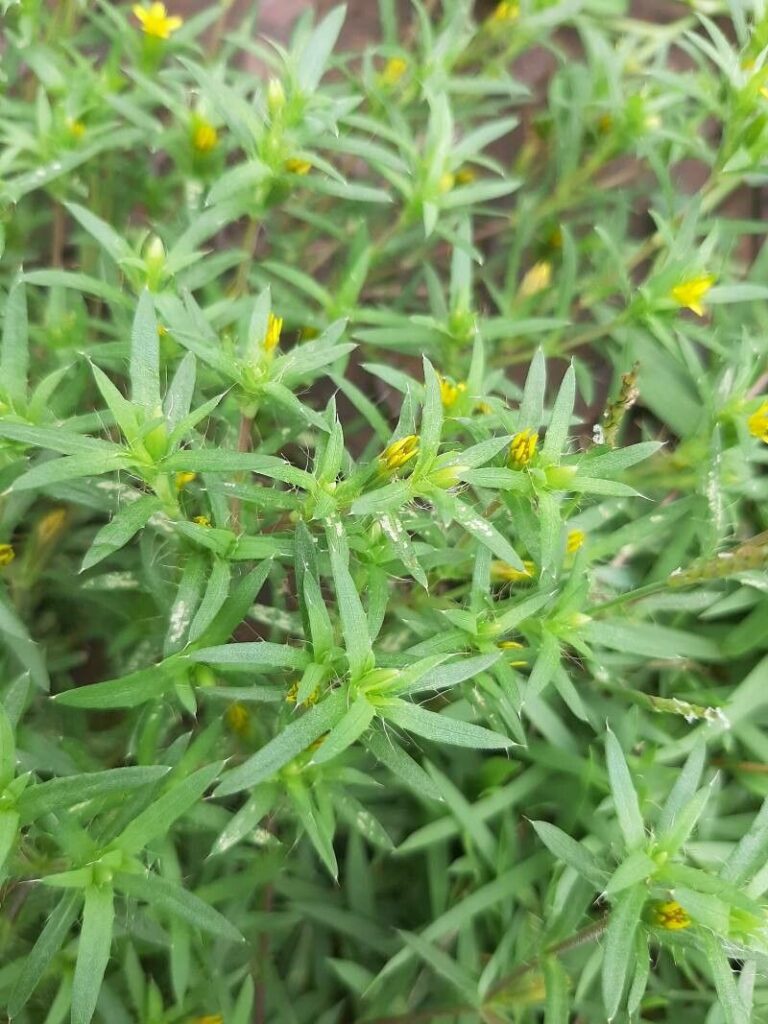
Spreading Sunshine: A Guide to Propagating Prostrate Chinchweed (Pectis prostrata)
Prostrate chinchweed (Pectis prostrata) might not be a household name yet, but this charming little groundcover deserves a spot in sunny gardens everywhere. Its cheerful yellow blooms and delightful citrusy scent light up the landscape while attracting pollinators. Are you intrigued? Well, one of the best parts is that Pectis prostrata is incredibly easy to propagate, letting you share its sunshine with friends or expand its presence in your own garden. Let’s dive into the world of propagating this low-maintenance beauty!
Understanding the Basics: How Does Pectis Prostrata Spread Naturally?
Before we jump into propagation methods, it’s helpful to understand how prostrate chinchweed reproduces naturally. This plant is a master of self-seeding. After its cheerful yellow flowers fade, they produce tiny, dry seeds which are dispersed by wind or by catching a ride on passing animals. These seeds are surprisingly tough and can survive even in harsh conditions.
Method 1: Seed Starting for the Win
- Timing is Key: The best time to start Pectis prostrata seeds indoors is about 6-8 weeks before your last expected frost. This head start gives the seedlings plenty of time to grow strong before being transplanted outdoors.
- Sowing the Seeds: Use a well-draining seed starting mix and barely cover the seeds – they need light to germinate. Keep the soil consistently moist but not soggy.
- Light and Warmth: Place your seed trays in a sunny location or under grow lights. Maintain a temperature of around 70-75°F (21-24°C) for optimal germination.
- Transplanting: Once the seedlings have developed a couple sets of true leaves and the danger of frost has passed, harden them off gradually before transplanting them outdoors to a sunny location with well-drained soil.
Method 2: Cuttings for Quick Clones
- Time for Snipping: The best time to take cuttings is in the spring or early summer when the plant is actively growing.
- Selecting the Ideal Cuttings: Look for healthy stems that are about 3-4 inches long. Make a clean cut just below a leaf node (the point where the leaf attaches to the stem).
- Preparing the Cuttings: Remove the lower leaves from the stem, leaving just a few leaves at the top. Dip the cut end in rooting hormone (optional, but helpful).
- Planting the Cuttings: Stick the cuttings into a well-draining potting mix, burying the bottom node. Water well and keep the soil consistently moist.
- Rooting Time: In a few weeks, your cuttings should have developed roots. Gently tug on them to test for resistance. Once rooted, you can transplant them as you would seedlings.
Tip: No Matter Your Method, Soil Matters!
Pectis prostrata thrives in well-drained soil. If your garden soil is heavy clay, consider amending it with sand or compost to improve drainage.
The Joys of Sharing the Sunshine:
Propagating Pectis prostrata is a rewarding experience, allowing you to easily multiply this cheerful plant. Whether you choose to start from seed or take cuttings, you’ll be rewarded with an abundance of sunny yellow blooms that will brighten your garden and attract pollinators for years to come. So why not give it a try? You’ll be amazed by how simple and satisfying it can be to propagate this delightful little groundcover.