
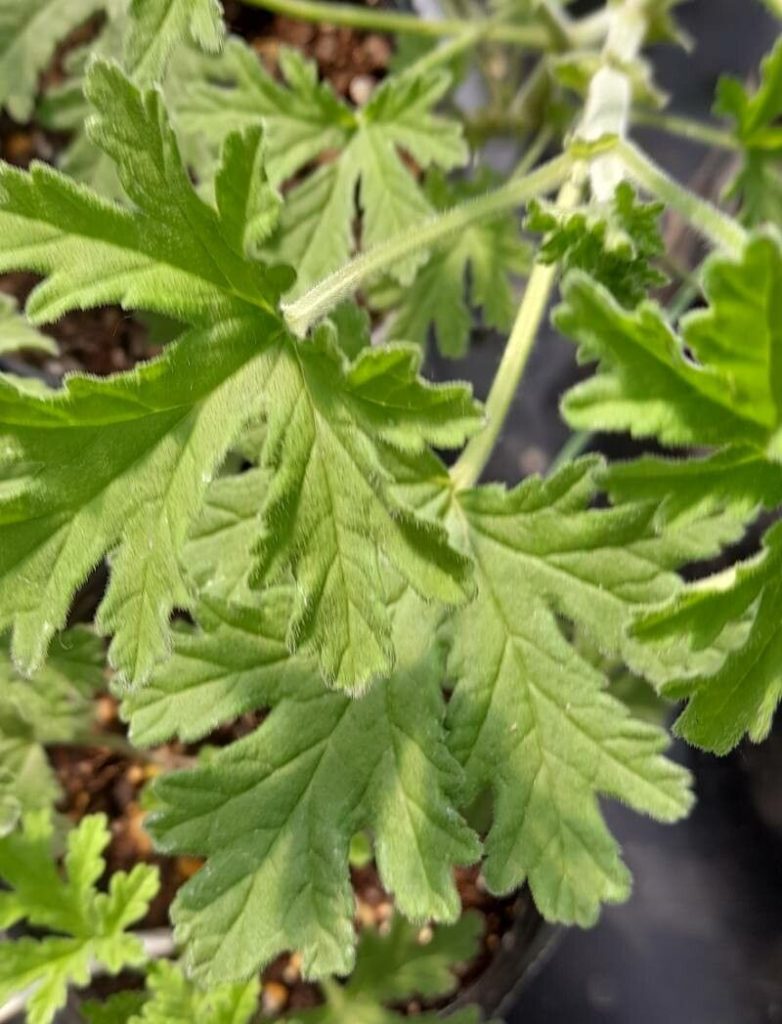
Propagating the Hooded Pelargonium: A Gardener’s Guide to Pelargonium cucullatum
Introduction:
Pelargonium cucullatum, commonly known as the hooded pelargonium, is a captivating species prized for its striking, hooded flowers and attractive, often scented foliage. Native to South Africa, this species holds significant horticultural importance, not only for its aesthetic appeal but also for its role in hybridizing modern Pelargonium cultivars. Its popularity amongst gardeners stems from its relatively easy cultivation (once established) and the unique beauty of its blooms, which often exhibit vibrant shades of purple, pink, and occasionally white. However, propagation presents some unique challenges compared to more common Pelargonium species. This article explores various propagation methods for this fascinating plant.
Seed Germination:
Currently, there are no known reliable methods for seed germination propagation of Pelargonium cucullatum. While seeds may be produced, germination rates are notoriously low and unpredictable, even under optimal conditions. The seed dormancy and specific requirements for breaking this dormancy remain largely unexplored. Therefore, seed propagation is not a practical method for most home gardeners.
Cuttings:
Cuttings are the most reliable and commonly employed method for propagating Pelargonium cucullatum.
Challenges: The primary challenge lies in achieving successful rooting. While not inherently difficult, some cuttings may be prone to rotting before root development if not handled carefully.
Tips: Take stem cuttings of approximately 10-15cm in length, removing the lower leaves to prevent rotting. Use a well-draining potting mix, such as a mix of peat moss and perlite. Dip the cut ends in rooting hormone powder for enhanced success. Keep the cuttings consistently moist but not waterlogged, ensuring good air circulation to prevent fungal issues. A humid environment (e.g., using a propagator or covering with a clear plastic bag) can significantly improve rooting success.
Rewards: Cuttings are a relatively quick and simple way to produce genetically identical plants, preserving desirable traits. It’s also a great method for large scale propagation for the avid gardener.
Division:
Division is generally not a viable option for propagating Pelargonium cucullatum. This species doesn’t readily form the dense clumps suitable for division like some other Pelargonium species. Attempts to divide the plant may damage its root system and lead to plant mortality.
Tissue Culture:
Tissue culture offers a potential, albeit sophisticated, method for propagating Pelargonium cucullatum.
Challenges: Tissue culture requires specialized equipment, sterile conditions, and expertise in plant tissue culture techniques. This method is not feasible for the average home gardener.
Tips: This method would follow standard tissue culture protocols for Pelargoniums, using a suitable growth medium and plant hormones to induce shoot and root development. Properly sterilizing both the plant material and the growing environment will greatly improve the success rate.
Rewards: Tissue culture allows for rapid multiplication of desirable genotypes and the production of disease-free plants. It can be an efficient method for large-scale commercial propagation.
Conclusion:
Propagating Pelargonium cucullatum presents unique challenges, with cuttings being the most accessible and reliable method for the majority of gardeners. Seed germination proves largely unreliable, division is unsuitable, and tissue culture requires specialized knowledge and equipment. Despite the difficulties, the rewards of successfully cultivating this beautiful plant are well worth the effort. The unique satisfaction of nurturing a cutting from a small stem into a flowering plant brimming with hooded blossoms is deeply rewarding for any gardener. Patience, attention to detail, and a willingness to experiment are key to success. For aspiring propagators, honing your skills through cuttings represents a rewarding entry point into the world of cultivating this beautiful South African native.