
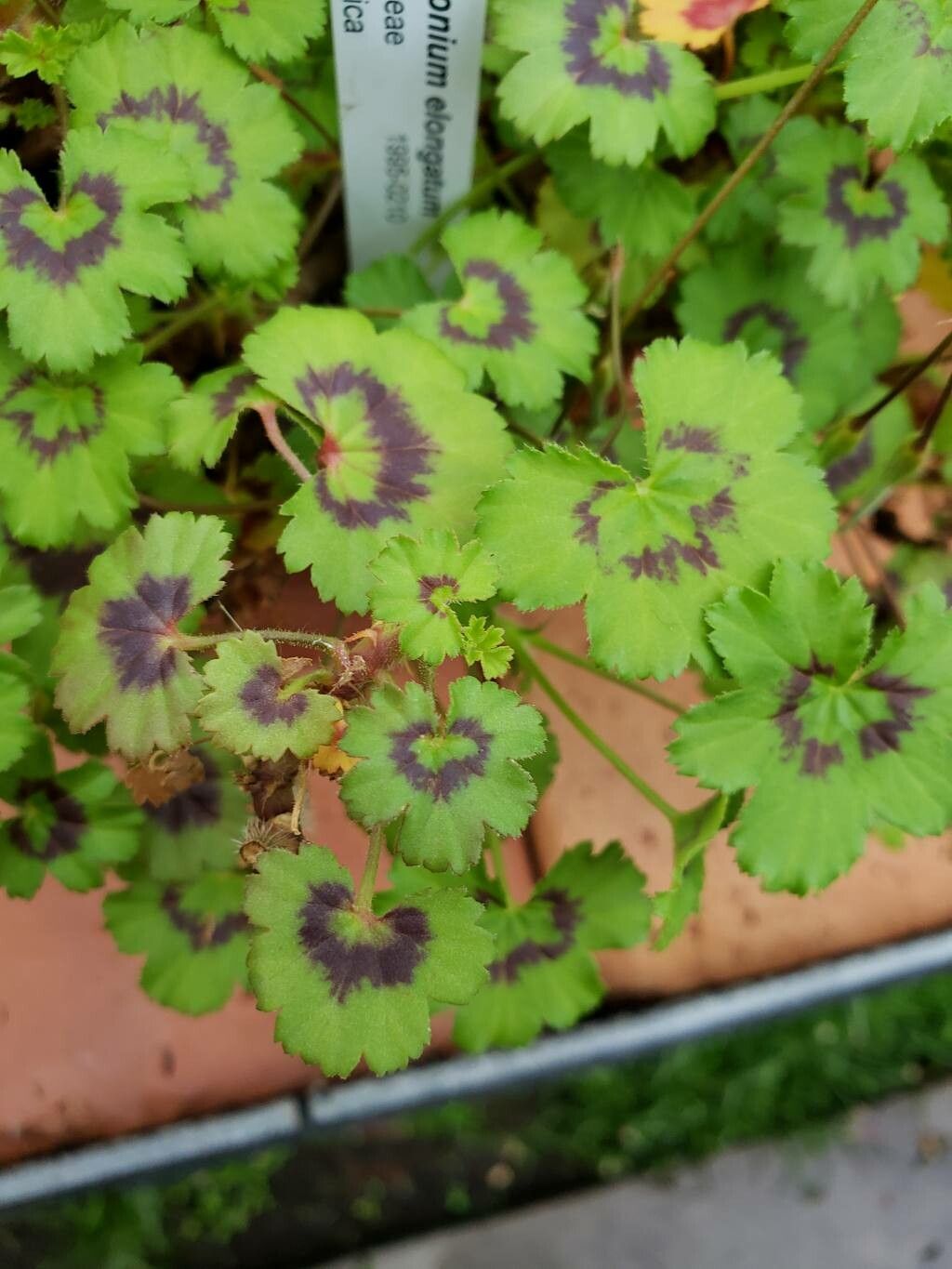
Unveiling the Secrets: How to Propagate Pelargonium Elongatum
Pelargonium elongatum, with its delicate, elongated petals and captivating colors, might seem like a plant reserved for green thumbs. But fear not! This guide will unveil the secrets of propagating this South African beauty, empowering even novice gardeners to expand their collection.
Understanding the Basics
Before diving into the how-to, let’s grasp the “why” of propagation. Essentially, it’s the process of creating new plants from existing ones. Not only is it budget-friendly, but it allows you to multiply your favorite varieties and share the joy of gardening with others.
Methods for Success
For Pelargonium elongatum, two primary propagation methods reign supreme: cuttings and seeds.
1. Conquering Cuttings:
Timing is Key: Spring and early summer, when the plant is actively growing, offer the optimal conditions for successful propagation via cuttings.
Take the Plunge: Using clean, sharp secateurs, snip a healthy stem about 4-6 inches long, just below a leaf node (the point where a leaf emerges).
Prepare for Growth: Remove the lower leaves, leaving 2-3 at the top. This directs the plant’s energy towards root development.
Hormonal Boost (Optional): Dipping the cut end in rooting hormone powder can encourage faster and more robust root formation.
Planting Time: Plant the cutting in a well-draining potting mix, burying the bottom node.
Creating the Ideal Environment: Place the pot in a bright location, but out of direct sunlight. Maintain consistent moisture and humidity by covering the pot with a clear plastic bag or using a propagator.
- Patience is a Virtue: Roots typically develop within 4-6 weeks. Gently tug on the cutting – resistance indicates successful rooting!
2. Embracing Seeds:
Source Your Bounty: Pelargonium elongatum seeds are readily available online or at specialized nurseries.
Sowing the Seeds: Sow seeds in a seed-starting mix, lightly covering them with soil.
Light and Warmth: Place the seed tray in a bright, warm spot, maintaining consistent moisture.
First Signs of Life: Germination usually occurs within 2-4 weeks.
- Transplanting Triumph: Once seedlings develop a few sets of true leaves, transplant them into individual pots filled with well-draining soil.
Care Tips for Thriving Propagations
Watering Wisdom: Water propagations when the soil surface feels dry to the touch, avoiding overwatering which can lead to root rot.
Feeding Frenzy: Once established, fertilize your new plants every 2-4 weeks during the growing season with a balanced liquid fertilizer.
- Pinching for Perfection: Pinch back the growing tips of your propagated plants to encourage bushier growth and more abundant blooms.
Propagating Pelargonium elongatum is an enjoyable and rewarding endeavor. With a little patience and care, you can soon have a flourishing collection of these captivating plants, each telling a story of your gardening success.