
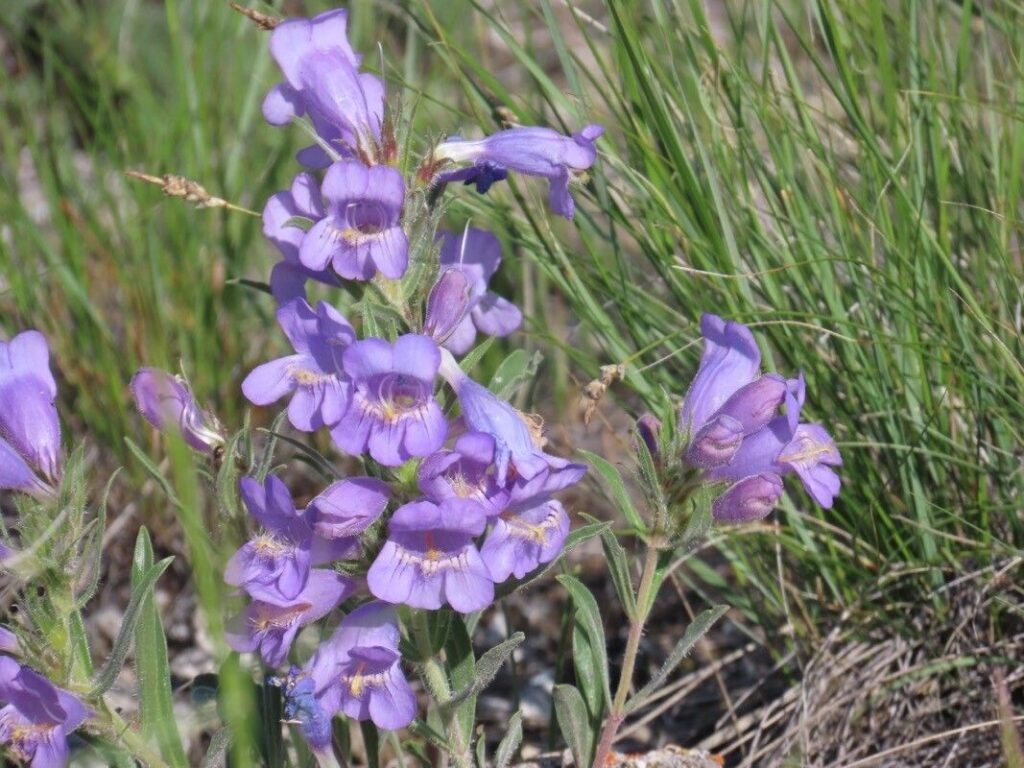
Propagating the Woolly Penstemon: A Gardener’s Guide to Penstemon eriantherus
Introduction:
Penstemon eriantherus, commonly known as the Woolly Penstemon, is a captivating perennial prized for its vibrant, tubular flowers and fuzzy, silvery foliage. Native to the southwestern United States, this drought-tolerant beauty adds a touch of rustic elegance to rock gardens, xeriscapes, and wildflower meadows. Its popularity among gardeners stems from its low-maintenance nature, attractive blooms, and the crucial role it plays in supporting pollinators. However, propagating this species presents unique challenges, making successful cultivation all the more rewarding.
Seed Germination:
Currently, there are no known reliable methods for seed germination propagation of Penstemon eriantherus. While seeds may be produced, germination rates are notoriously low, likely due to factors such as underdeveloped embryos or the need for specific, yet-undiscovered, germination requirements. Further research is needed to determine whether specific pre-treatment methods (e.g., cold stratification, scarification) could improve germination success.
Cuttings:
Cuttings offer a more reliable method for propagating Penstemon eriantherus.
Challenges: Softwood cuttings taken in spring or early summer are generally preferred, but rooting can be slow and inconsistent. The woolly leaves may be prone to rot if kept overly moist.
Practical Tips: Take 4-6 inch cuttings from non-flowering stems, removing lower leaves to prevent rot. Dip the cut ends in a rooting hormone powder to stimulate root development. Plant cuttings in a well-draining propagation mix, keeping them consistently moist but not soggy. A humidity dome or propagation tray will improve success rates. Misting regularly is vital.
Rewards: Cuttings offer a reliable method to quickly increase the number of plants, preserving the exact genetic characteristics of the mother plant.
Division:
Division is a viable propagation method for established Penstemon eriantherus plants.
Challenges: It’s crucial to wait until the plant is well-established and large enough to be easily divided without undue stress. Improper division can damage the roots and crown, leading to plant failure.
Practical Tips: Carefully divide the plant in spring or fall, ensuring each division has a healthy portion of roots and crown. Plant the divisions immediately in well-draining soil, spacing them appropriately. Water thoroughly after planting.
Rewards: Division offers a simple and effective way to propagate, maintaining the genetic characteristics of the original plant. It’s generally less technically demanding than other methods.
Tissue Culture:
Tissue culture is a potential, albeit more technically demanding, method for propagating Penstemon eriantherus.
Challenges: Tissue culture requires specialized equipment, sterile techniques, and a thorough understanding of plant tissue culture protocols. Developing the optimal media and growth conditions for Penstemon eriantherus might require experimentation.
Practical Tips: This technique isn’t suitable for the average home gardener. It requires specialized laboratories and expertise.
Rewards: Tissue culture allows for mass propagation of disease-free plants, preserving genetic uniformity and enabling large-scale production for both commercial and conservation efforts.
Conclusion:
Propagating Penstemon eriantherus presents distinct challenges depending on the chosen method. While seed propagation remains unreliable, cuttings and division offer viable alternatives for gardeners. Tissue culture is a powerful option for large-scale production, but it requires specialized expertise and facilities. The significant effort required to successfully propagate this beautiful plant, however, serves only to further heighten the sense of accomplishment upon seeing the fruits of one’s labor. Whether you choose cuttings or division, meticulous attention to detail, patience, and a passion for this fascinating plant will be key to your success. Don’t be discouraged by initial setbacks; the rewards of cultivating this captivating native are well worth the effort.