
Golden Glory: Multiply Your Brittish Yellowhead with These Propagation Techniques!
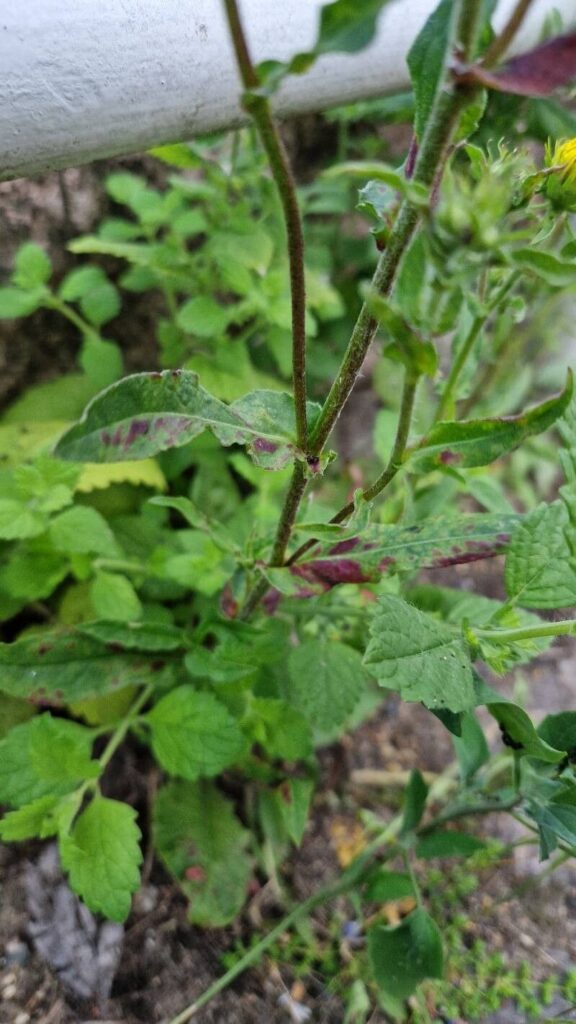
The British Yellowhead (Pentanema britannica, formerly Inula britannica), with its sunny yellow blooms and resilient nature, is a delightful addition to any garden. This European native, often found gracing meadows and woodland edges, is surprisingly easy to propagate, allowing you to expand your flowerbeds with this cheerful plant or share its beauty with friends. Let’s delve into the world of propagating Pentanema britannica using three popular methods:
1. Seed Starting: Nurturing Sunshine from Tiny Seeds
For those who enjoy the magic of watching life sprout from seemingly nothing, seed starting is incredibly rewarding:
- Timing is Key: Begin indoors 6-8 weeks before the last frost.
- Sowing the Seeds: Use a well-draining seed starting mix and press the seeds lightly onto the surface, barely covering them.
- Warmth and Moisture: Maintain a temperature of around 70°F (21°C) and keep the soil consistently moist. A humidity dome or plastic wrap over the tray can help retain moisture.
- Light!: Once seedlings emerge (usually within 14-21 days), provide them with bright, indirect light.
- Transplanting Time: After the last frost, harden off your seedlings by gradually acclimating them to outdoor conditions. Plant them in their permanent location once they are robust, spacing them about 12-18 inches apart.
2. Division: Sharing the Golden Abundance
Division is the easiest way to propagate Pentanema britannica and is best done in spring or early fall:
- Digging In: Carefully dig up a mature plant, ensuring you get a good root mass.
- Separation Anxiety (for the plants!): Gently tease apart the root ball into smaller sections, ensuring each division has a healthy set of roots and shoots.
- Replanting: Replant the divisions at the same depth they were originally growing, water them well, and watch them flourish.
3. Cuttings: Cloning Your Favorite Golden Patches
For a more hands-on approach, try propagating from cuttings:
- The Right Cut: In late spring or early summer, take 4-6 inch cuttings from healthy, non-flowering stems. Make the cut just below a leaf node.
- Hormonal Help: Dip the cut end in rooting hormone to encourage faster root development (optional, but beneficial).
- Potting Up: Plant the cuttings in pots filled with a well-draining potting mix.
- Humidity is Key: Cover the pots with a plastic bag or humidity dome to create a warm, moist environment.
- Roots!: In a few weeks, gently tug on the cuttings to check for resistance – a sign that roots have formed.
- Transplantation: Once the cuttings are well-rooted, they can be planted outdoors in their permanent location.
A Few Golden Nuggets of Advice
- Pentanema britannica thrives in full sun to partial shade and prefers well-drained soil.
- While relatively pest-free, keep an eye out for slugs and snails, especially for young plants.
- Deadhead spent flowers to encourage continuous blooming and prevent self-seeding (unless you want more of these beauties popping up!).
By following these simple propagation methods, you can ensure a vibrant display of Pentanema britannica in your garden for years to come. Share the golden joy – propagate and enjoy!