
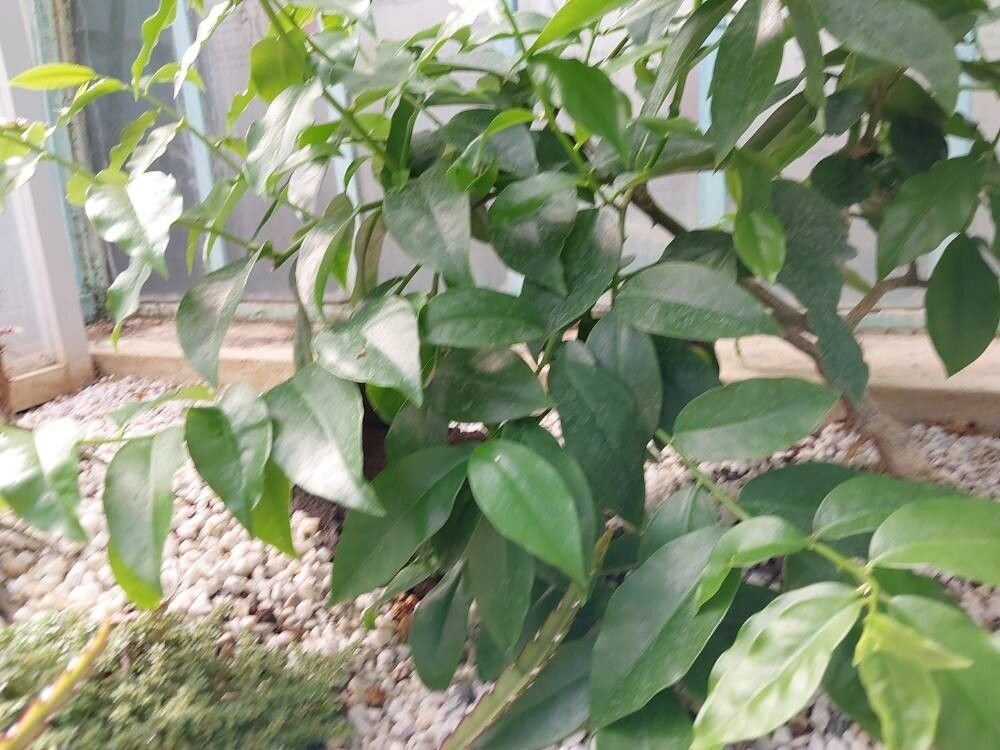
From a Cactus to a Climbing Vine: Propagating Pereskia Weberiana, the “Cactus Rose”
The Pereskia weberiana, often referred to as the “Cactus Rose,” is a fascinating plant that challenges the traditional image of a cactus. This South American native boasts vibrant green, fleshy leaves and stunning, fragrant blooms, making it look more like a climbing rose than a spiky desert dweller. But don’t be fooled by its appearance – it still holds onto its cactus heritage, allowing for an exciting range of propagation methods.
The Perks of Propagation
Start your journey with a Pereskia weberiana and you’ll discover a plant that’s not only beautiful, but also surprisingly easy to propagate. Whether you’re looking to expand your own collection or share the joy of this unique plant with others, propagation provides a rewarding and cost-effective way to create new plants.
Unlocking the Secrets of Propagation
Pereskia weberiana can be propagated using various techniques, offering choices based on your preference and skill level. Here’s a detailed look at some of the most popular methods:
1. Seeds:
- The Basics: While a slower method, seed propagation allows you to grow your own unique plants from scratch.
- Process: Sow seeds in a well-draining seed starting mix, ensuring they are lightly covered with soil. Keep the soil moist and warm, and they should germinate within a few weeks.
- Things to Consider: Seed propagation requires patience, as it can take several months for seedlings to reach a reasonable size.
2. Stem Cuttings:
- The Basics: This is the most popular and straightforward method, requiring minimal effort and offering quick results.
- Process: Take a 4-6 inch stem cutting from a healthy, mature plant. Remove the leaves from the bottom inch or two of the cutting and dip the cut end into rooting hormone to encourage root development. Plant the cutting in a well-draining potting mix, keeping the soil moist.
- Things to Consider: Stem cuttings root quickly, usually within a few weeks. Ensure the cutting is placed in a warm, bright location with indirect sunlight.
3. Layering:
- The Basics: Ideal for propagating a plant already growing in a container, air layering encourages root development on a stem without detaching it.
- Process: Choose a healthy stem and make a small cut through the bark. Surround the cut with moist sphagnum moss, wrap it tightly with plastic film, and secure it with tape. After a few weeks, roots should develop, after which you can detach the section with roots and pot it in soil.
- Things to Consider: Air layering offers a high success rate and helps retain the parent plant’s characteristics.
4. Grafting:
- The Basics: A challenging but rewarding technique that combines the rootstock of one plant with the scion (stem) of another to create a unique hybrid.
- Process: Requires experience and technical skill, as it involves carefully joining a cutting of Pereskia weberiana onto a compatible cactus rootstock.
- Things to Consider: Grafting is often used to create visually stunning plants with interesting color variations or to propagate rare or difficult-to-root cultivars.
Nurturing Your New Growth
Once your propagation method of choice has been successful, it’s crucial to provide your new Pereskia weberiana with the right care. Remember, they thrive in bright, indirect light, well-draining soil, and moderate watering.
So, whether you choose to start from seed or take a simple stem cutting, propagating Pereskia weberiana is a rewarding endeavor that allows you to enjoy the beauty and versatility of this unique cactus-rose hybrid. With a little patience and the right techniques, you can easily cultivate your own collection of these fascinating plants and share them with others, contributing to the world of plant enthusiasts with each new growth.