
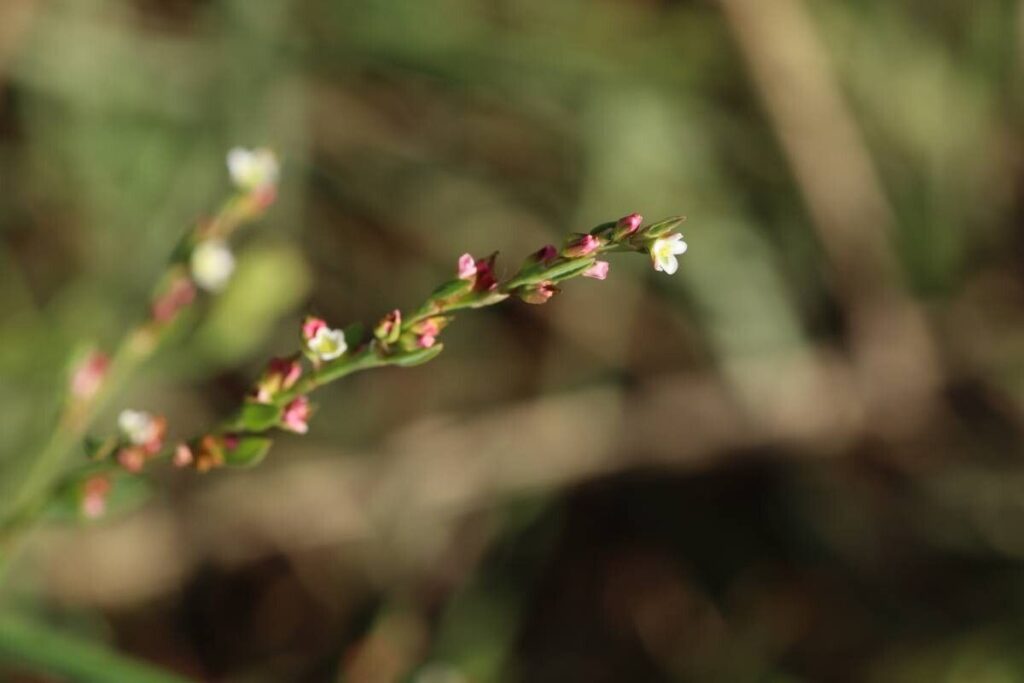
From Seed to Splendor: Propagating the Beautiful Persicaria Pubescens
The Persicaria pubescens, also known as the Himalayan Knotweed, is a captivating beauty with its feathery, pink flower plumes swaying gracefully in the breeze. But beyond its visual appeal lies a secret: this plant is surprisingly easy to cultivate, even for beginner gardeners. One of the most rewarding ways to enjoy this plant is through propagation, allowing you to expand your garden or share its loveliness with others. Let’s dive into the exciting world of propagating the Persicaria pubescens!
The Power of Seeds:
The Persicaria pubescens produces seed pods that mature in the late summer and autumn. These pods contain tiny, brown seeds that hold the potential for new life.
- Harvesting Seeds: Once the seed pods turn brown and dry, carefully collect them. Gently rub the pods between your fingers to release the seeds.
- Sowing Seeds: You can sow the seeds directly in the garden in early spring after the last frost. Alternatively, start them indoors in seed trays a few weeks before the last frost. Use a seed starting mix and ensure the seeds are planted about 1/4 inch deep.
- Germination: Keep the soil consistently moist, but not soggy, and provide bright, indirect light. Germination can take anywhere from 2 to 4 weeks.
The Art of Division:
Another method for multiplying your Persicaria pubescens is by division. This technique involves separating established plants into smaller divisions, each with its own root system.
- Timing: Spring is the ideal time for dividing Persicaria pubescens. As new growth emerges, you can carefully divide the plant.
- Dividing: Use a sharp spade or garden fork to carefully separate the plant, ensuring each division has a healthy root system.
- Replanting: Plant the divisions in individual pots or directly in the garden, leaving enough space between them to allow for future growth. Water them thoroughly.
Extra Tips for Successful Propagation:
- Location: Persicaria pubescens thrives in full sun to partial shade and well-drained soil.
- Watering: Water regularly, especially during dry spells, ensuring the soil remains moist but not waterlogged.
- Fertilizing: Feed your plants with a balanced fertilizer a few times during the growing season.
Enjoying the Fruits of Your Labor:
Propagating Persicaria pubescens is a rewarding experience, not just for expanding your garden but for the joy of witnessing new life emerge from your efforts. Witnessing these plants flourish from seed or division is a testament to the beauty and resilience of nature, and a reminder of the satisfying power of gardening.
So, grab your gardening gloves, and get ready to embark on the journey of propagating this lovely plant. Enjoy the process, and let the beauty of the Persicaria pubescens transform your garden into a haven of enchanting blooms!