
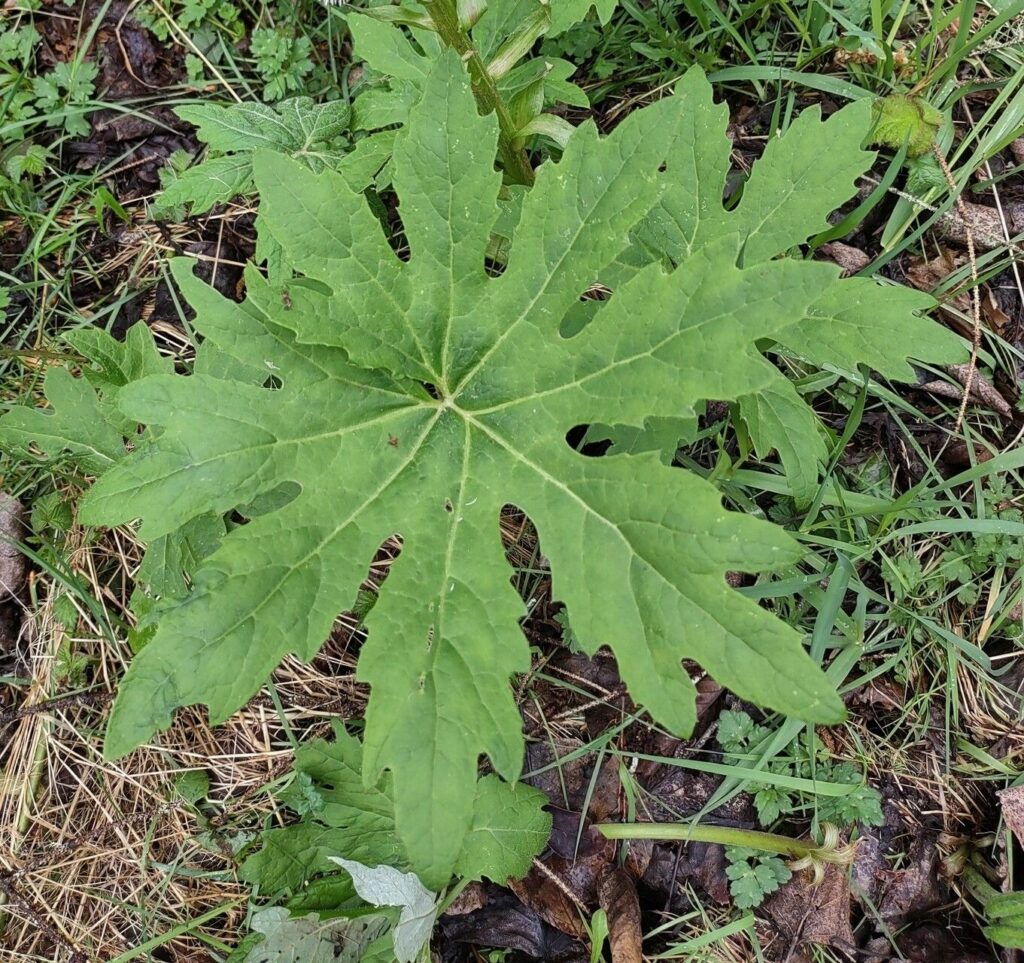
Beyond Division: Unlocking the Secrets to Propagating Petasites frigidus
Petasites frigidus, also known as Arctic sweet coltsfoot or frigid butterbur, is a fascinating plant with captivating foliage and an impressive ability to thrive in cold, damp environments. While most gardeners propagate this unique species through division, there are other methods to expand your patch of Petasites frigidus and share its beauty.
Understanding Petasites frigidus
Before diving into propagation, it’s important to appreciate how this plant grows. Petasites frigidus spreads primarily through rhizomes, underground stems that send out roots and shoots. This vigorous growth makes division a straightforward method but understanding its rhizomatous nature unlocks other propagation techniques.
Division: The Tried and True Method
Dividing established clumps is the easiest and most common way to propagate Petasites frigidus. Here’s how:
- Timing: Early spring or late fall, when the plant is dormant, is the ideal time.
- Lifting: Carefully dig around the plant, ensuring you lift a good portion of the rhizome system.
- Division: Using a sharp, clean knife or spade, separate the rhizome mass into sections, ensuring each section has several healthy buds.
- Replanting: Replant the divisions at the same depth they were growing originally, spacing them about 2-3 feet apart to allow for spreading. Water thoroughly.
Seed Propagation: A Test of Patience
While less common, propagating Petasites frigidus from seed is possible, though it requires patience and a bit more effort:
- Seed Collection: Collect seeds from mature flower heads in late summer or early fall.
- Cold Stratification: Frigid butterbur seeds require a period of cold stratification to germinate. Mix the seeds with damp sand or vermiculite and store them in the refrigerator (around 40°F) for 8-12 weeks.
- Sowing: In spring, sow the stratified seeds in a seed starting mix, lightly covering them with soil.
- Care: Provide consistent moisture and bright, indirect light. Germination can be sporadic and take several weeks.
- Transplanting: Once seedlings develop a few sets of true leaves, harden them off gradually before transplanting them outdoors.
Utilizing Root Cuttings: A Lesser-Known Technique
For a more unconventional approach, try root cuttings:
- Timing: Similar to division, early spring or late fall is best.
- Taking Cuttings: Carefully unearth a portion of the rhizome. Cut healthy sections of root about 2-3 inches long.
- Planting: Plant the root cuttings horizontally in a tray or pot filled with well-draining potting mix, burying them about an inch deep.
- Care: Keep the medium moist and provide indirect light.
- Transplanting: Once new growth emerges, you can transplant the rooted cuttings to their desired location.
Mastering Petasites frigidus Propagation
No matter which method you choose, providing the right growing conditions is crucial. Petasites frigidus thrives in partial shade to full shade and prefers moist, well-drained soil. Mulching around the plants can help retain moisture and moderate soil temperatures.
Propagating Petasites frigidus can be a rewarding experience, allowing you to multiply your collection of this unique and beautiful plant. Whether you stick with the traditional method of division or venture into the realm of seed propagation or root cuttings, remember patience and proper care are key to success. With a bit of effort, you can enjoy the captivating foliage of Petasites frigidus in your garden for years to come.