
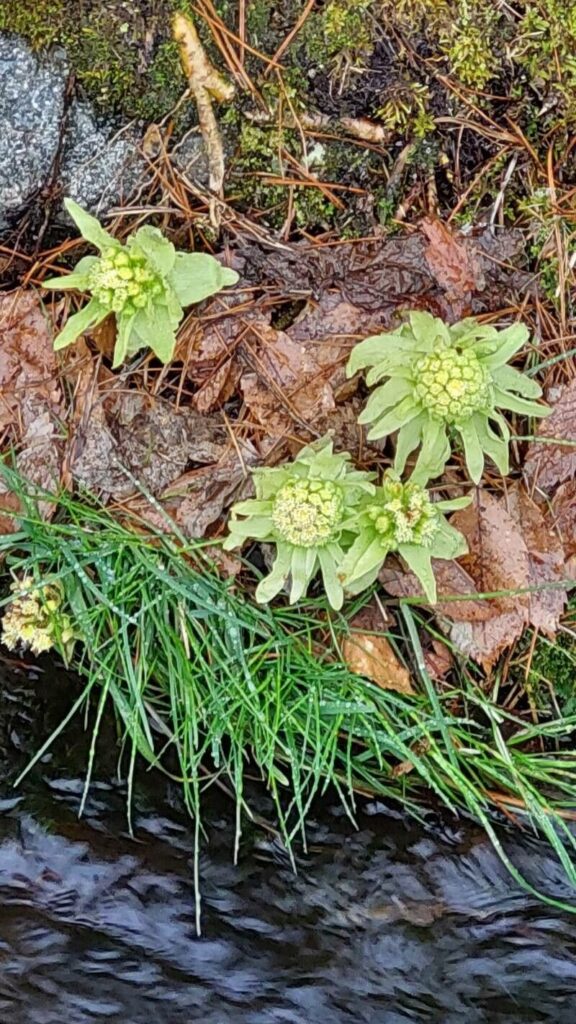
Conquer the Giant: Propagating Butterbur (Petasites japonicus)
Butterbur (Petasites japonicus) is an imposing plant – literally! This impressive perennial boasts massive, heart-shaped leaves that can reach up to 5 feet wide, making it a striking addition to any garden. But before you rush out to buy a plant, there’s a secret to growing Butterbur: propagation.
While commercially available, acquiring Butterbur through propagation is surprisingly easy and rewarding. It’s a great way to expand your garden collection, share plants with friends, or simply get more bang for your buck.
So, how do you go about conquering the Giant? Here’s a closer look at the most effective methods for propagating Butterbur:
1. The Power of Division: Springtime Splitting
Division is the most reliable method for Butterbur propagation. In early spring, before the plant has fully emerged, carefully dig around the main clump. Use a sharp spade to gently separate the plant into smaller divisions, ensuring each division has healthy roots and growing points.
Tips for Success:
- Size Matters: Aim for divisions with at least 3-4 healthy buds for successful establishment.
- Repotting: Plant each division in a pot filled with well-draining soil and keep it moist.
- Sunlight: Place the pots in a location with bright, indirect sunlight.
- Patience: Divisions will take a few weeks to establish and start producing new growth.
2. The Magic of Seeds: A Long Game
While less common, you can also propagate Butterbur from seeds. Collect the seeds from mature seedheads in summer and sow them in a seed tray filled with moist seed-starting mix.
Tips for Success:
- Optimal Conditions: Seeds need cold stratification to germinate. Place the seed tray in a cold frame or refrigerator for 6-8 weeks.
- Patience is Key: Butterbur seeds take 1-2 months to germinate, and seedlings grow slowly.
- Outdoor Transfer: Once seedlings have developed a few true leaves, you can transplant them outdoors.
3. Root Cuttings: A Trickier Approach
Root cuttings are a less common method, and their success rate is variable. However, if you’re feeling adventurous, here’s how to do it:
- Root Selection: In early spring, select healthy root pieces from the edge of the clump.
- Cut and Prep: Use a sharp knife to make 2-3-inch cuttings, ensuring each piece has a few buds.
- Hormone Treatment: Dip the cut ends in rooting hormone.
- Planting: Plant the cuttings horizontally in a mix of peat moss and sand.
- Humidity and Temperature: Maintain a consistently moist environment and a temperature of 70-75°F.
The Final Word: A Gentle Giant
Butterbur, with its impressive size and striking foliage, is a rewarding addition to any garden. While propagation methods may vary in difficulty, the experience allows you to cultivate a deep connection with this captivating plant. Remember, patience and the right techniques are key to successful propagation. With careful planning and a little effort, you can soon be enjoying the beauty of your own Butterbur patch.