
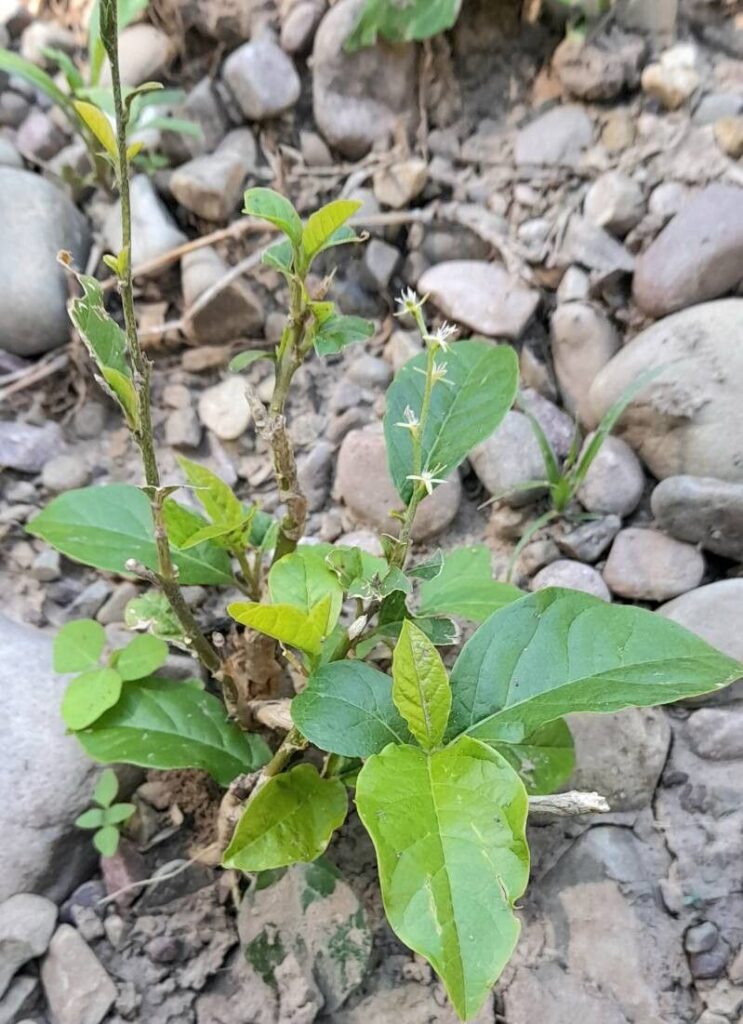
Unleashing the Potential of Petiveria alliacea: A Guide to Propagation
Petiveria alliacea, also known as Anamu or Guinea Hen Weed, is a powerful plant with a long history of medicinal use. Its pungent, garlic-like aroma is a testament to its potency. While readily available in some areas, knowing how to propagate Petiveria alliacea yourself allows you to harness its potential right in your own garden.
This guide delves into the two most effective methods of Petiveria alliacea propagation, ensuring your journey to growing this incredible plant is a successful one.
Method 1: Propagating Petiveria alliacea from Cuttings
Propagating from cuttings is a popular method for many plants, and Petiveria alliacea is no exception. This method is relatively straightforward and boasts a high success rate when performed correctly.
Here’s what you need:
- Healthy Petiveria alliacea plant: Ideally, the source plant should be mature and thriving.
- Sharp, sterilized pruning shears or scissors: This ensures clean cuts and minimizes the risk of disease transmission.
- Small pots or seed trays filled with well-draining potting mix: Choose a mix that is light and airy to allow for good root development.
- Rooting hormone (optional): While not mandatory, rooting hormone can encourage faster and more successful rooting.
Step-by-step guide to propagating from cuttings:
- Take your cuttings: Choose healthy stems that are approximately 4-6 inches long. Make a clean cut just below a leaf node.
- Prepare the cuttings: Remove the lower leaves from the stem, leaving only a few at the top.
- Apply rooting hormone (optional): Dip the cut end of the stem in rooting hormone, following the product instructions.
- Plant the cuttings: Insert each cutting into the prepared potting mix, burying at least two leaf nodes. Gently firm the soil around the base of the cutting.
- Water thoroughly: Ensure the soil is evenly moist but not waterlogged.
- Provide humidity and indirect light: Cover the pots with a plastic bag or humidity dome to create a warm, humid environment. Place the cuttings in a location that receives bright, indirect light.
- Monitor and maintain: Check the cuttings regularly for signs of root development (usually within a few weeks). Once roots have formed, you can gradually acclimate the plants to normal humidity levels before transplanting them to larger pots or outdoors.
Method 2: Growing Petiveria alliacea from Seeds
Propagating from seeds can be slightly more challenging than from cuttings, but it offers a rewarding experience and the potential for a larger yield of plants.
What you’ll need:
- Petiveria alliacea seeds: You can collect seeds from existing plants or purchase them from reputable sources.
- Seed starting mix: Opt for a seed starting mix that is specifically formulated for optimal germination.
- Seed trays or small pots: Choose containers with good drainage.
- Water spray bottle: This allows for gentle watering without disturbing the seeds.
Step-by-step guide to propagating from seeds:
- Prepare the seeds: Soak the seeds in lukewarm water for 24 hours before planting. This helps to soften the seed coat and encourage germination.
- Sow the seeds: Fill the seed trays or pots with the seed starting mix and moisten it evenly. Place the seeds on the soil surface, leaving a few inches between each seed. Lightly press the seeds into the mix without burying them completely.
- Water gently: Use a spray bottle to mist the soil surface and keep it consistently moist. Avoid overwatering, which can lead to seed rot.
- Provide warmth and humidity: Cover the trays with a plastic wrap or humidity dome to create a warm, humid environment. Place the trays in a well-lit area, out of direct sunlight.
- Be patient: Petiveria alliacea seeds can take several weeks or even months to germinate. Continue to keep the soil moist and be patient as you await signs of life.
- Thinning and transplanting: Once the seedlings have developed a few sets of true leaves, you can thin them out, leaving the strongest ones to continue growing. When the seedlings are large enough, transplant them into individual pots or outdoors.
No matter which method you choose, propagating your own Petiveria alliacea allows you to experience the satisfaction of watching your plant thrive from its earliest stages. With a little patience and care, you can enjoy the many benefits of this remarkable plant for years to come.