
Propagating Peucedanum cervaria: A Challenge Worth Embracing
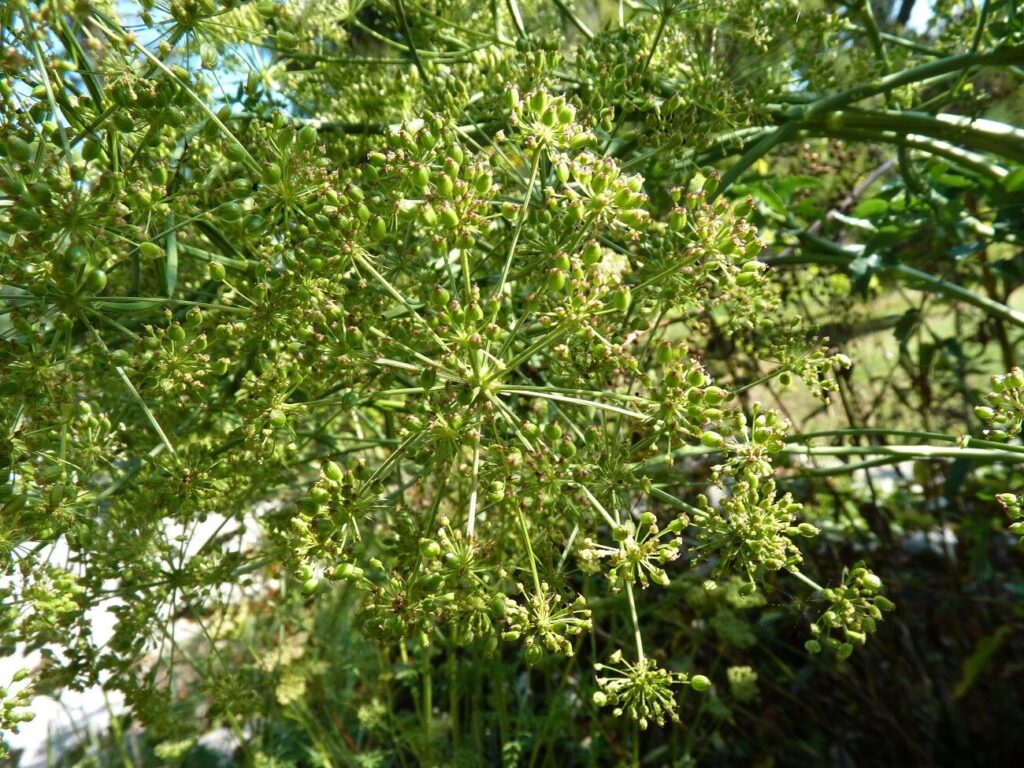
Peucedanum cervaria, commonly known as common hogweed or deer-herb, is a striking umbellifer with attractive ferny foliage and delicate, umbel-shaped flowers. While not as widely cultivated as some other garden plants, its unique charm and robust nature have garnered a dedicated following among enthusiasts of native or wildflower gardens. Its relatively tall stature and airy inflorescences make it a valuable addition to naturalistic plantings, meadows, or as a backdrop for smaller flowering specimens. However, propagating this plant presents unique challenges, making success all the more rewarding.
Seed Germination:
Seed germination for Peucedanum cervaria is possible but presents several hurdles. The seeds possess a hard seed coat, requiring stratification to break dormancy. This often entails a period of cold, moist stratification – ideally, 3-4 months at temperatures between 1°C and 5°C. Sowing should be undertaken in a well-draining seed compost, avoiding burying the seeds too deeply (just lightly cover). Germination rates are often low, even with stratification, and can be further hampered by fungal diseases.
Challenges: Low germination rates, susceptibility to damping-off, slow germination
Tips: Cold stratification, use of a well-draining seed compost, careful seed sowing, antifungal treatments
Rewards: Genetic diversity, potential for large-scale propagation
Cuttings:
Currently, there are no known reliable methods for propagating Peucedanum cervaria through cuttings. The plant’s physiology and low success rate with other herbaceous cuttings suggest this method is unlikely to be fruitful.
Division:
Division of established Peucedanum cervaria plants is a more reliable method of propagation than seed germination. This is best carried out in spring or autumn when the plant is actively growing or becoming dormant. The root system should be carefully divided, ensuring each section retains a healthy portion of roots and shoots. Replant the divisions promptly, ensuring adequate watering until they become established.
Challenges: Requires a mature, established plant; potential for root damage during division; relatively slow establishment of new plants
Tips: Divide in spring or autumn, handle roots carefully, provide adequate moisture after planting.
Rewards: Faster establishment than seedlings, preserves the genetic characteristics of the parent plant.
Tissue Culture:
Tissue culture offers a potential route for large-scale propagation of Peucedanum cervaria, though success would depend on optimising specific media and growth conditions. However, this method requires specialised equipment and expertise, making it inaccessible to the majority of home gardeners. Existing literature on Peucedanum tissue culture is limited, meaning considerable research and experimentation would be necessary to establish effective protocols.
Challenges: Requires specialized equipment and expertise; lack of readily available protocols.
Tips: Employ an experienced tissue culturer; experiment with several media formulations.
Rewards: Potential for large-scale propagation of genetically uniform clones; preservation of rare genotypes
Conclusion:
Propagating Peucedanum cervaria presents distinctive challenges but also significant rewards. Division offers the most reliable method for the average gardener, whereas seed germination, while possible, may require patience and finesse. Tissue culture remains an unexplored avenue with substantial potential but demands specialized resources. The difficulty involved adds to the unique satisfaction of successfully reproducing this attractive plant. Be patient, persistent and observant – your efforts will be greatly rewarded with a thriving stand of Peucedanum cervaria contributing its delicate beauty to your landscape.