
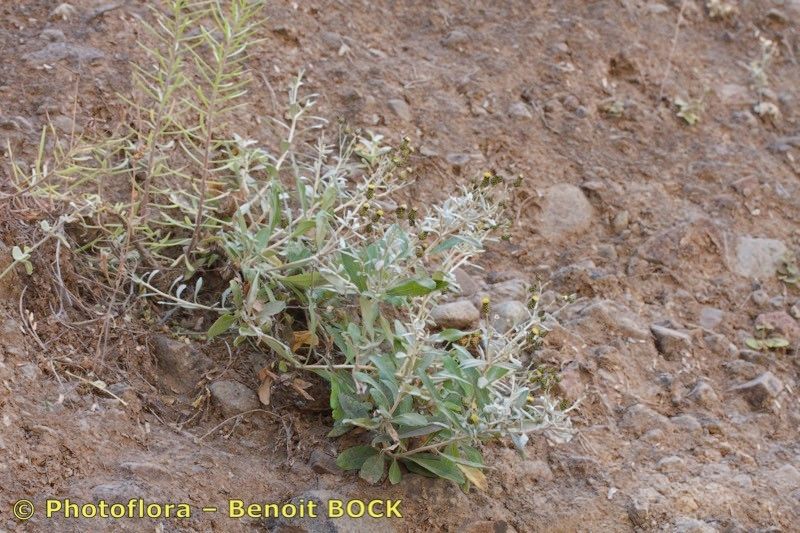
Propagating Phagnalon melanoleucum: Challenges and Rewards of Cultivating the Mediterranean Daisy
Phagnalon melanoleucum, commonly known as the Mediterranean daisy, is a striking evergreen shrub prized for its silvery-grey foliage and profuse display of small, yellow daisy-like flowers. Its drought tolerance and adaptability make it a popular choice among gardeners seeking low-maintenance, attractive landscaping options, especially in Mediterranean or similar climates. However, propagating this resilient plant presents unique challenges. This article explores various propagation methods, highlighting their viability and offering practical guidance.
Seed Germination:
Currently, there are no known reliable methods for seed germination propagation of Phagnalon melanoleucum. While seeds may be produced, their germination rate is reportedly very low and inconsistent. Further research is needed to determine if specific pre-treatment strategies, such as scarification or stratification, might improve germination success.
Cuttings:
Cuttings represent a more promising approach for propagating Phagnalon melanoleucum.
Challenges: The success rate can be variable, depending on environmental conditions and timing. Rooting hormones may be necessary to improve success rates.
Practical Tips: Semi-hardwood cuttings, taken in late spring or early summer, generally yield the best results. Cuttings should be approximately 4-6 inches long, with the lower leaves removed to prevent rot. Dip the cut ends in rooting hormone powder and plant them in a well-draining propagation mix (e.g., perlite and peat moss). Maintain high humidity using a humidity dome or plastic bag and provide optimal temperature and light conditions.
Rewards: This method allows for clonal propagation, ensuring the offspring are genetically identical to the parent plant, preserving desirable characteristics. It’s also relatively simple once the technique is mastered.
Division:
Division is a feasible propagation method for Phagnalon melanoleucum, particularly for established plants.
Challenges: Division can be disruptive to an established plant, and if not done carefully, it may damage the root system and reduce the health of both the parent and the divisions.
Practical Tips: The best time for division is during the spring or early fall when the plant is actively growing. Gently dig up the mature plant and carefully separate it into multiple sections, ensuring each section has sufficient roots and foliage. Replant the divisions immediately in well-prepared soil.
Rewards: Division allows for quick propagation of a larger number of plants from a single mature specimen.
Tissue Culture:
Tissue culture propagation for Phagnalon melanoleucum is not widely practiced, and information on its success rate is limited.
Challenges: This method requires specialized equipment, sterile conditions, and a high level of technical expertise. It’s also likely to be more costly than other methods.
Practical Tips: Further research is needed to optimize the specific protocols for Phagnalon melanoleucum tissue culture, including the selection of suitable culture media and growth regulators.
Rewards: Tissue culture offers the potential for rapid and large-scale propagation, producing many genetically identical plants from a small sample. It also minimizes the risk of disease transmission.
Conclusion:
Propagating Phagnalon melanoleucum presents unique challenges. While seed germination remains unreliable, cuttings and division offer viable options, with cuttings generally being the most practical for home gardeners. Tissue culture presents a possibility for large-scale production but necessitates specialized knowledge and resources. The difficulties inherent in propagating this plant only enhance the sense of accomplishment derived from successfully cultivating a healthy and thriving Mediterranean daisy. Perseverance and careful attention to detail are key to success, rewarding the aspiring propagator with a beautiful and hardy addition to their garden. Remember to observe your plants carefully and adjust techniques as needed for optimal results.