
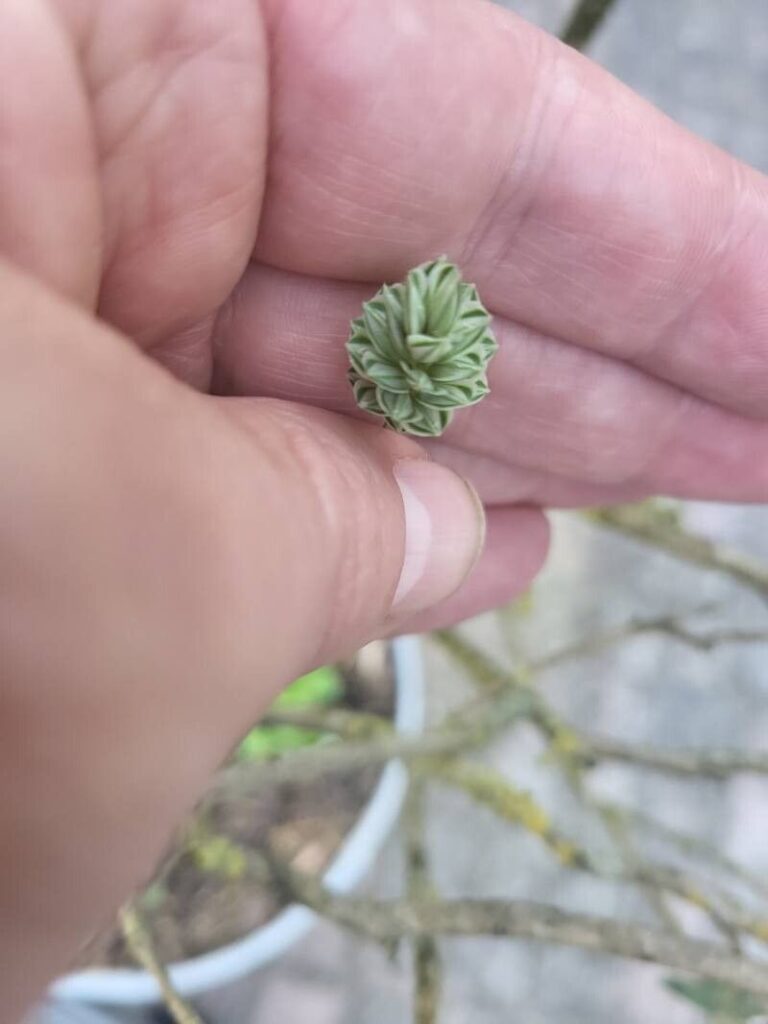
Canary in Your Garden: Easy Propagation Techniques for Phalaris Canariensis
Phalaris canariensis, more commonly known as canary grass, is an attractive ornamental grass that catches the eye with its tall, slender stalks and unique seed heads resembling small wheat plumes. But this striking plant isn’t just a pretty face! Historically cultivated as a food source for caged birds (hence the name), canary grass makes a beautiful, low-maintenance addition to any garden. And the best part? It’s incredibly easy to propagate!
This guide will walk you through two simple methods to multiply your canary grass, allowing you to enjoy its graceful beauty year after year:
1. Propagation by Seed:
- When to Sow: Canary grass seeds are best sown in early spring or early fall.
- Preparing the Seedbed: Choose a location with well-drained soil and full sun to partial shade. Lightly rake the area to loosen the soil.
- Sowing the Seeds: Scatter the seeds evenly over the prepared bed. Don’t bury them; simply press them gently into the soil surface.
- Watering: Keep the soil consistently moist but not waterlogged until the seeds germinate, which usually takes 1-2 weeks.
- Thinning: Once the seedlings are a few inches tall, thin them out to be roughly 1 foot apart.
2. Propagation by Division:
- When to Divide: Divide established canary grass clumps in spring or early fall.
- Preparing the Plant: Water the clump thoroughly the day before you plan to divide it.
- Dividing the Clump: Dig up the entire clump with a garden fork or shovel. Carefully separate the clump into smaller sections using your hands or a sharp knife, ensuring each section has a good root system.
- Replanting: Replant the divisions immediately in prepared holes with amended soil. Space them about 1-2 feet apart. Water thoroughly to settle the roots.
Additional Tips for Success:
- Canary grass is a relatively low-maintenance plant. Once established, it’s quite drought-tolerant.
- While it prefers full sun, it can tolerate some shade, especially in warmer climates.
- Deadhead spent flower stalks to encourage bushier growth and prevent self-seeding if desired.
- Divide your canary grass clumps every few years to maintain their vigor and prevent overcrowding.
Beyond the Garden:
While canary grass shines in garden settings, adding texture and visual interest to borders and beds, its uses extend far beyond aesthetics. The seed heads are popular components in dried flower arrangements, providing texture and a touch of rustic charm. Additionally, the seeds continue to serve their traditional purpose as a nutritious food source for birds.
Bringing It All Together:
With its simple elegance and ease of propagation, canary grass is an incredibly rewarding plant for gardeners of all skill levels. Whether you choose to start from seed or divide existing clumps, multiplying your canary grass is a straightforward process that yields beautiful and long-lasting results. So why not add a touch of airy grace and a hint of history to your garden with Phalaris canariensis?