
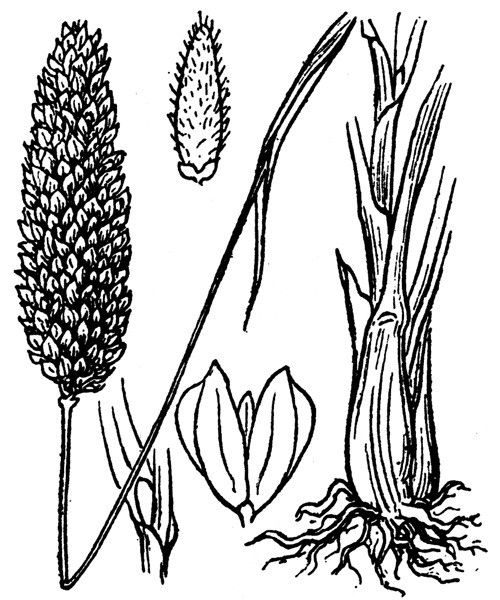
Unlock the Secrets of Hardy Canary Grass: A Guide to Propagating Phalaris truncata
Phalaris truncata, commonly known as Hardy Canary Grass, is a versatile and resilient perennial grass valued for its beauty and practicality. Whether you’re looking for a low-maintenance groundcover, an attractive addition to a meadow garden, or a source of forage for livestock, Phalaris truncata is an excellent choice. This guide will equip you with the knowledge to propagate this hardy grass successfully.
Understanding Phalaris Truncata
Before diving into propagation, let’s get acquainted with this adaptable grass. Native to the Mediterranean region, Phalaris truncata boasts stunning blue-green foliage that can reach up to 4 feet in height. It’s remarkably low-maintenance, tolerating drought conditions, poor soil, and even moderate foot traffic. In the springtime, it graces the landscape with unique flower spikes, adding textural interest to any garden.
Two Paths to Propagation: Seeds and Division
1. Starting from Seed: A Rewarding Endeavor
Propagating Phalaris truncata from seed is a cost-effective method, perfect for those looking to establish a large stand or experiment with growing from scratch.
Here’s how:
- Timing is Key: Sow your seeds in early spring or late summer when the soil is workable and temperatures are mild.
- Prepare the Seedbed: Choose a sunny or partially shaded location and loosen the soil to a depth of 6 inches. Amend with compost for improved drainage and nutrient content.
- Sowing the Seeds: Scatter the seeds evenly over the prepared area and lightly rake them into the soil. Aim for a depth of about 1/4 inch.
- Water Gently: After sowing, water the area gently but thoroughly. Keep the soil consistently moist until the seeds germinate, which usually takes 1-2 weeks.
- Thinning Out: Once the seedlings have a few true leaves, thin them out to a spacing of 12-18 inches to prevent overcrowding.
2. Division: The Gift that Keeps on Growing
For establishing new plants quickly or multiplying your existing clumps, division is an efficient and straightforward method.
Here’s the step-by-step:
- The Right Time: Divide established clumps in early spring or fall when the plant is dormant or just beginning new growth.
- Lifting the Clump: Carefully dig around the clump with a sharp spade, ensuring you get a good root ball.
- Dividing the Clump: Use a sharp knife or garden shears to divide the clump into smaller sections, ensuring each section has a good amount of roots and foliage.
- Replanting: Replant the divisions immediately in prepared planting holes, spacing them according to the desired density. Water thoroughly.
Caring for Your New Phalaris Truncata
Once established, Phalaris truncata requires minimal care. Water regularly during the first growing season to promote strong root development. Afterward, it’s fairly drought tolerant. A light application of balanced fertilizer in spring can encourage lush growth. Cut back the foliage in late winter or early spring before new growth emerges to maintain a tidy appearance.
Wrapping Up: Embrace the Beauty of Phalaris Truncata
With its resilience, simple propagation methods, and visual appeal, Phalaris truncata is a rewarding plant for gardeners of all levels. Whether you choose to propagate from seed or division, you’ll soon be enjoying this versatile grass in your very own landscape.