
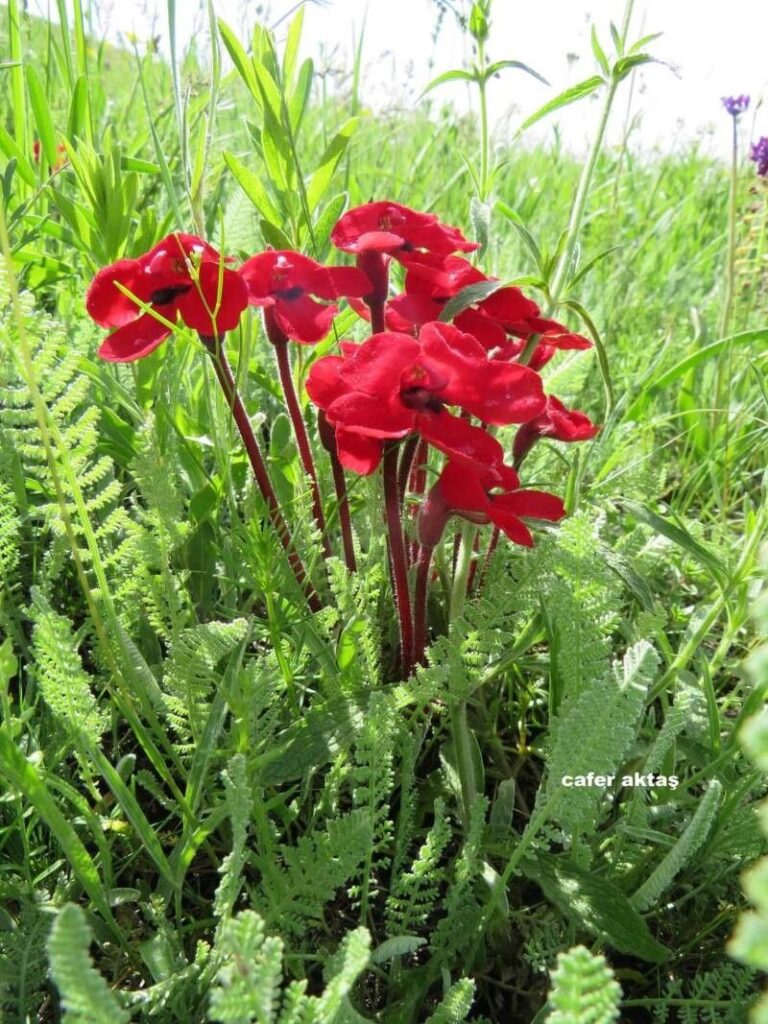
Scarlet Whispers: Unraveling the Mystery of Propagating the Parasitic Phelypaea coccinea
The plant kingdom never ceases to amaze with its diversity, and amongst its ranks are intriguing species like the Phelypaea coccinea. This botanical marvel, also known as the crimson or scarlet broomrape, draws gasps of admiration for its fiery red blooms that erupt seemingly from bare earth. But beneath this vibrant façade lies a fascinating secret: Phelypaea coccinea is a parasitic plant, incapable of photosynthesis and entirely dependent on a host for survival. This unique characteristic makes its propagation a particularly intriguing and challenging endeavor.
Unlike most plants that readily sprout from seeds in the comfort of potting soil, the Phelypaea coccinea requires a more strategic approach. Being a root parasite, it needs a suitable host plant to germinate and thrive. In its natural Mediterranean habitat, this striking parasite sets its sights on members of the Centaurea family, commonly known as knapweeds or star thistles.
Propagating Phelypaea coccinea requires replicating this symbiotic relationship. Seed germination is triggered by chemical signals released by the roots of its host plant. Therefore, successful propagation starts with cultivating healthy Centaurea plants. Seeds of this readily available species can be sown in well-draining soil and provided ample sunlight.
Once the Centaurea plants are well-established, the real magic can begin. Seeds of the Phelypaea coccinea are best sown near the root zone of the host plant. The ideal time for this delicate operation is during the cooler months, allowing the parasite ample time to establish its connection before the host enters its peak growing season.
Patience is key when it comes to witnessing the fruits of your labor. Once germination occurs, the Phelypaea coccinea will spend a considerable amount of time underground, drawing sustenance from its unsuspecting host. Depending on environmental conditions, it may take a year or even longer for the vibrant red flower spikes to emerge, signaling a successful parasitic union.
While the process might seem complicated, successfully propagating Phelypaea coccinea offers a unique sense of accomplishment. Not only does it require a deeper understanding of plant interactions and ecological relationships, but it also offers a chance to cultivate a truly unique and conversation-starting addition to any garden that can accommodate its specific needs.
However, it’s crucial to remember that bringing a parasitic plant into your garden should be a carefully considered decision. Research the potential impact on your local ecosystem and ensure you source your Phelypaea coccinea seeds from reputable suppliers who prioritize ethical and sustainable practices.
So, if you’re a gardening enthusiast seeking an extraordinary challenge, embarking on the journey of propagating Phelypaea coccinea promises an unparalleled adventure into the fascinating world of parasitic plants.