
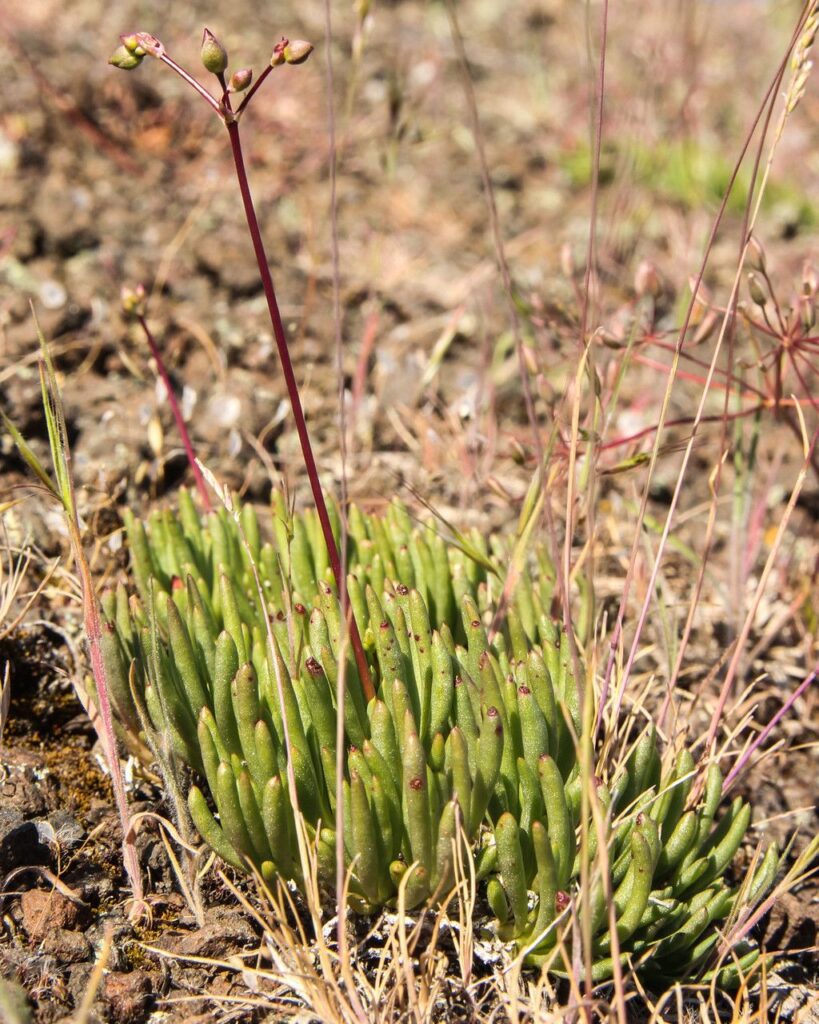
Unveiling the Secrets of the Fameflower: How to Propagate Phemeranthus spinescens
The Phemeranthus spinescens, also known as the Fameflower or Sand Pink, is a captivating succulent boasting vibrant pink blooms that grace arid landscapes. Native to North America, this drought-tolerant beauty adds a splash of color to rock gardens, borders, and containers. While admiring its delicate beauty is a treat, learning to propagate this resilient plant can bring lasting joy to any plant enthusiast.
This guide will unveil the secrets of propagating Phemeranthus spinescens, empowering you to expand your garden with these captivating succulents.
Two Paths to Propagation:
There are two primary methods for propagating Phemeranthus spinescens: by seed and by cuttings. Let’s explore both:
1. Seeds: Sowing the Seeds of Success
- Timing is Key: Spring is the ideal season for sowing Phemeranthus spinescens seeds.
- Well-Drained Beginnings: Prepare a seed tray or small pots with a well-draining soil mix. A cactus potting mix or a blend of regular potting soil and sand works well.
- Surface Sowing: Sprinkle the seeds across the surface of the soil, gently pressing them in. Do not bury them deeply, as they require light for germination.
- Moisture and Warmth: Mist the soil with water, ensuring it remains evenly moist but not waterlogged. Place the tray or pots in a warm, bright location, out of direct sunlight.
- Patience Rewarded: Germination can take a few weeks. Once the seedlings are large enough to handle, thin them out, leaving the strongest ones to thrive.
- Transplant Triumph: When the seedlings have developed a strong root system, transplant them into individual pots or your garden bed.
2. Cuttings: A Shortcut to Success
- The Right Time: Take cuttings in spring or early summer from healthy, established plants.
- Clean Cut, Clean Start: Using a sharp, sterilized knife or pruning shears, take stem cuttings about 3-4 inches long. Remove the lower leaves, leaving only a few at the top.
- Callus Formation: Allow the cuttings to dry and form a callus at the cut ends. This usually takes a few days.
- Rooting Hormone (Optional): While not mandatory, dipping the calloused end in rooting hormone can encourage faster and more successful rooting.
- Potting Up: Plant the cuttings in well-draining soil, burying the calloused end about an inch deep.
- Indirect Light and Moisture: Place the pots in a location with bright, indirect light. Water the soil sparingly, allowing it to dry slightly between waterings.
- Root Development: In a few weeks, the cuttings should develop roots and show signs of new growth.
Caring for Your Propagated Fameflowers:
Regardless of the method you choose, caring for your newly propagated Phemeranthus spinescens is key to their success:
- Sunny Disposition: Provide them with at least 6 hours of sunlight daily for vibrant blooms.
- Drought Tolerant, Not Drought Proof: Water deeply but infrequently, allowing the soil to dry out between waterings.
- Lean Soil, Happy Plants: These succulents thrive in lean soil. Avoid over-fertilizing, as it can lead to weak growth and reduced blooms.
Propagating your own Phemeranthus spinescens is a rewarding endeavor, allowing you to cultivate these enchanting flowers and share their beauty with others. So, roll up your sleeves, embrace the joy of propagation, and watch your garden blossom with the captivating charm of the Fameflower.