
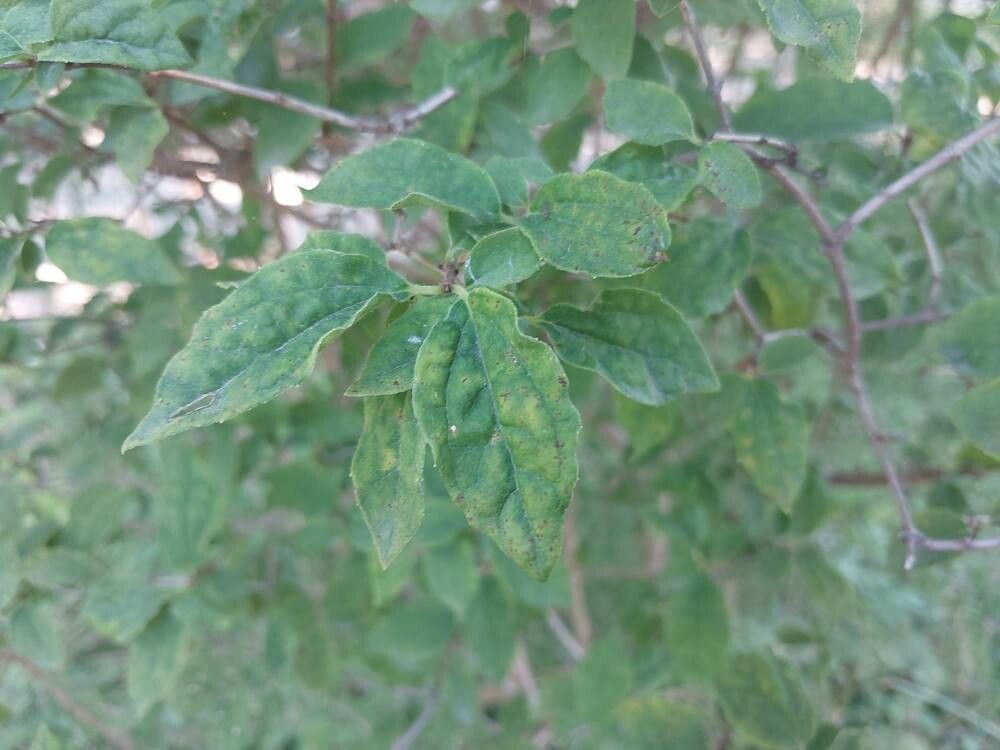
Sweeten Your Garden: Propagating the Fragrant Mock Orange (Philadelphus brachybotrys)
Imagine this: a warm spring day, filled with the intoxicating scent of delicate white blossoms. This, my friends, is the magic of the Mock Orange, specifically the Philadelphus brachybotrys, known for its particularly potent fragrance and beautiful, cascading blooms. But did you know you can bring this delightful experience into your own garden without breaking the bank? That’s right, propagating Philadelphus brachybotrys is a surprisingly easy and rewarding endeavor. Let’s dive into the secrets of this fragrant propagation journey!
The Power of Cuttings:
One of the most successful and accessible methods for propagating Mock Orange is through softwood cuttings. This technique harnesses the power of the plant’s actively growing stems, ensuring a high success rate.
Here’s how you do it:
- Timing is Key: The best time to take cuttings is in late spring or early summer when new growth is soft and flexible.
- Choose the Right Stem: Select a healthy, non-flowering stem with good growth. Cut a 4-6-inch section, ensuring at least 2-3 nodes (the bumps where leaves grow).
- Prepare the Cutting: Remove the leaves from the bottom inch or two of the cutting. This exposes the nodes, enabling the roots to form.
- The Dip Magic: Apply a rooting hormone powder or gel to the cut end of the stem. This encourages root development.
- Planting Power: Carefully insert the cutting into a pot filled with a well-draining potting mix. Keep the soil moist but not waterlogged.
- Greenhouse Effect: Cover the pot with a clear plastic bag or dome to create a humid environment, mimicking the natural conditions for root development.
- Patience is Key: Place the potted cutting in a bright location but out of direct sunlight. Roots will typically develop within 4-6 weeks. Once you see new growth, you can gradually acclimate the plant to outdoor conditions.
Other Methods & Tips:
While softwood cuttings are the most popular method, Philadelphus brachybotrys can also be propagated via:
- Layering: This involves bending a branch to the ground and burying a portion in the soil, encouraging roots to form at the buried section.
- Seed Propagation: This option takes longer but is possible. Gather seeds from the ripened fruit and sow them in a seed tray.
Keeping Your Mock Orange Thriving:
Once your propagated Mock Orange is established, providing it with optimal growing conditions will ensure its beauty and fragrance thrive. Here are a few tips:
- Sunshine Lover: Philadelphus brachybotrys prefers full sun but can tolerate partial shade.
- Water Wisely: Keep the soil moist but avoid overwatering, which can lead to root rot.
- Fertilizer Boost: Feed your Mock Orange with a balanced fertilizer a couple of times a year during the growing season.
- Pruning for Growth: Prune after flowering to encourage bushier growth and more blooms the following year.
Final Thoughts:
Propagating Philadelphus brachybotrys is a rewarding journey that allows you to enjoy the intoxicating fragrance of Mock Orange and share this beauty with others. Whether you’re a seasoned gardener or a beginner, the simplicity and success rate of softwood cuttings make this a great option. So, why not start your own propagation adventure and bring the magic of Mock Orange into your garden for years to come?