
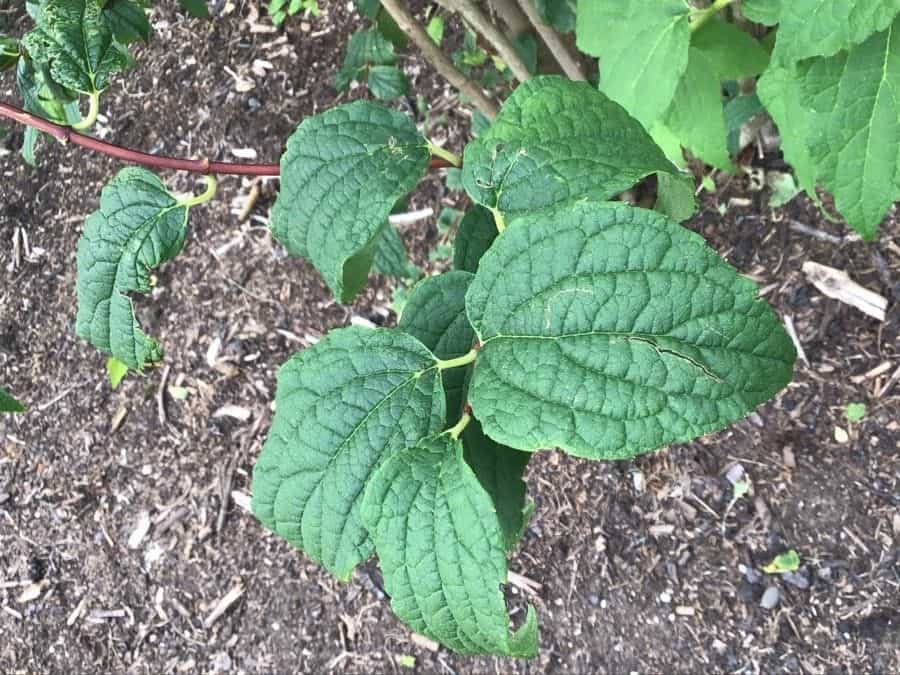
Sweet Success with Sweet Mock Orange: Your Guide to Propagating Philadelphus henryi
The captivating fragrance of Sweet Mock Orange (Philadelphus henryi) can transform any garden into a sensory haven. Growing this delightful shrub is rewarding, and luckily, propagating your own is easier than you might think! Whether you’re looking to multiply your existing plants or share the joy with friends, this guide will provide you with the knowledge and confidence to successfully propagate Philadelphus henryi.
Methods for Success:
There are two primary methods for propagating Philadelphus henryi: softwood cuttings and layering.
1. Softwood Cuttings: A Summertime Endeavor
This method, ideal for beginners, takes advantage of the plant’s vigorous summer growth.
- Timing: Begin taking cuttings in late spring or early summer, once the plant has produced ample new growth. Look for stems that are flexible and green.
- Taking the Cuttings: Using sharp, sterilized shears, cut a branch segment 4-6 inches long just below a leaf node (the point where a leaf emerges). Remove the lower leaves, leaving only 2-3 pairs at the top.
- Promoting Root Development: Dip the cut end in rooting hormone powder to encourage faster root growth (optional but recommended).
- Planting and Care: Plant the cuttings in a well-draining potting mix (equal parts peat moss, perlite, and vermiculite). Water thoroughly and cover the pot with a plastic bag or humidity dome to retain moisture and warmth.
- Transplanting: After 6-8 weeks, gently tug on the cuttings to check for resistance. Resistance indicates successful root development. Harden off the rooted cuttings by gradually acclimating them to outdoor conditions. Once hardened, transplant into individual pots or directly into the garden.
2. Layering: A Patient Approach for Guaranteed Results
Layering is a natural propagation method with a high success rate, but it requires more time and patience.
- Timing: Early spring before new growth emerges is the best time for layering.
- Preparing the Branch: Select a low-growing, flexible branch. Carefully wound the underside of the branch by making a small, upward cut about 6-12 inches from the tip.
- Layering the Branch: Bend the wounded branch down towards the ground and bury the wounded portion in a shallow trench (2-3 inches deep) filled with moist potting mix. Secure the branch in place using a landscape pin or rock.
- Patience is Key: Keep the soil consistently moist. New roots should develop from the wounded area within a year.
- Separation and Transplanting: In the following spring, check for root development. Once roots are established, carefully sever the layered branch from the parent plant using sharp shears. Transplant the newly independent shrub to its desired location in the garden.
Tips for Success:
- Choose the Right Location: Philadelphus henryi thrives in full sun to partial shade and well-drained soil.
- Water Wisely: Water regularly until established, then water deeply during periods of drought.
- Pruning Essentials: Prune immediately after flowering to maintain shape and encourage bushier growth.
By following these simple techniques, you can easily propagate your own Philadelphus henryi and enjoy the captivating fragrance and beauty of these delightful shrubs for years to come. Don’t hesitate to experiment and share the joy of gardening with others!