
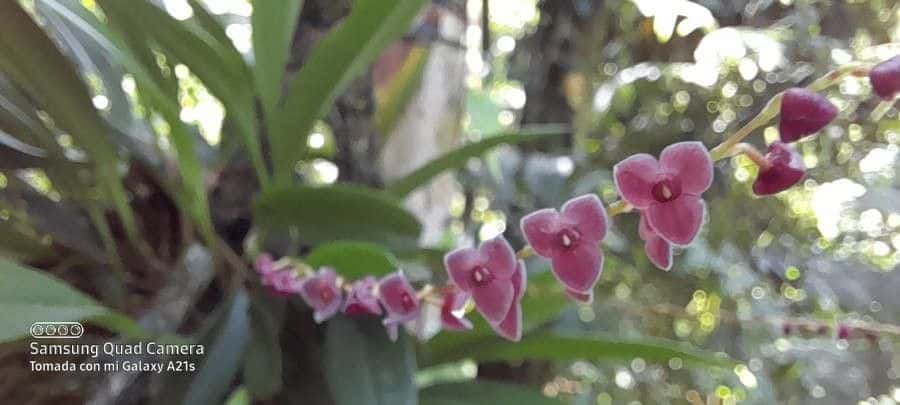
Unlocking the Secrets of Stelis hammelii Multiplication: A Guide to Propagation
Stelis hammelii, with its charming miniature blooms and intriguing growth habits, has become a sought-after treasure among orchid enthusiasts. But unlike some of its more common cousins, propagating this delicate beauty can feel like a mysterious art. Fear not, fellow orchid aficionados! This guide will demystify the world of Stelis hammelii propagation, equipping you with the knowledge to expand your collection and share the joy of these fascinating plants.
Understanding the Basics
Before we delve into the specifics, let’s understand the two primary methods of Stelis hammelii propagation:
- Division: This technique involves separating mature plants into smaller sections, each with its own root system.
- Seed Germination (In-vitro): This method, while more complex, holds the potential for larger-scale propagation. It involves germinating seeds in a sterile, nutrient-rich laboratory environment.
Division: A Step-by-Step Guide
Let’s start with the more accessible method: division. Here’s how it’s done:
- Timing is Key: The ideal time for division is during the spring or early summer, coinciding with the plant’s active growth phase.
- Choose Wisely: Select a healthy, well-established Stelis hammelii plant that exhibits robust growth and has multiple growths (pseudobulbs) connected by a rhizome.
- Prepare Your Tools: Gather a sterilized, sharp cutting tool (like pruning shears), a pot with drainage holes, and a suitable potting mix specifically designed for orchids.
- Divide with Care: Gently remove the plant from its pot and examine the rhizome connecting the pseudobulbs. Identify sections with at least 3-4 healthy pseudobulbs each. Using your sterile cutting tool, carefully separate the chosen sections, ensuring each division has a good root system.
- Potting Your Divisions: Plant each division in its own pot, using the orchid mix. Ensure the base of the pseudobulbs is level with the potting mix surface. Water thoroughly after potting.
Seed Germination: A Glimpse into the Laboratory
Propagating Stelis hammelii from seed necessitates specialized knowledge and sterile laboratory conditions. This method involves:
- Obtaining Seeds: Stelis hammelii seeds are incredibly fine, almost like dust. They require symbiotic fungi for germination in nature. In a lab setting, this process is replicated using a nutrient-rich agar medium.
- Sterilization is Paramount: The seeds and all equipment are meticulously sterilized to prevent contamination.
- Sowing and Growth: The seeds are meticulously sown on the prepared agar medium and placed in a controlled environment with specific temperature, humidity, and light levels.
- Transplanting: After several months, the seedlings will develop sufficiently to be transferred to individual pots with a specialized growing medium.
Patience is a Virtue, No Matter the Method
Regardless of the chosen propagation technique, remember that Stelis hammelii, like many orchids, requires time and patience. It may take several years for your newly propagated plants to reach flowering maturity.
A Rewarding Journey
Propagating your own Stelis hammelii can be immensely gratifying. Whether you choose the accessibility of division or embark on the intricate world of seed germination, the process offers a deeper understanding and appreciation for these exquisite orchids. So, roll up your sleeves, embrace the challenge, and enjoy the rewards of expanding your collection and contributing to the preservation of these botanical wonders.