
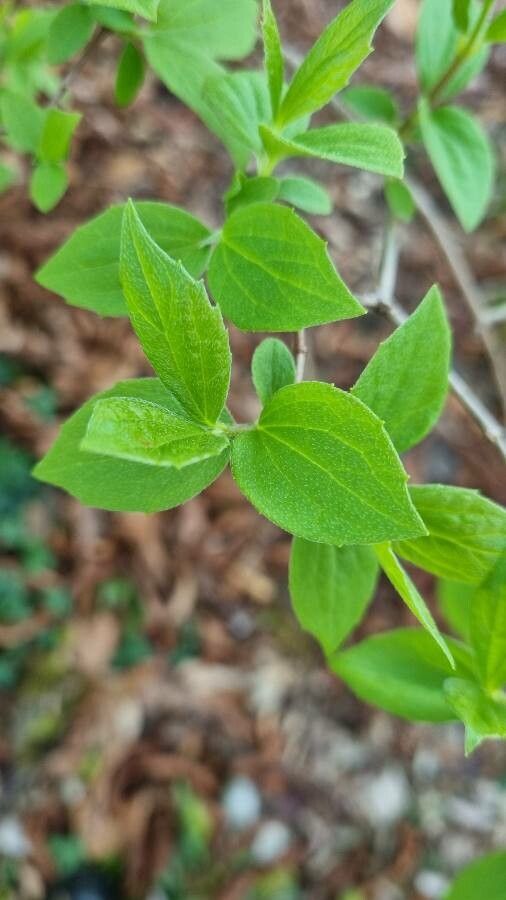
Propagating Philadelphus hirsutus: A Gardener’s Guide to the Hairy Mock Orange
Introduction:
Philadelphus hirsutus, commonly known as the hairy mock orange, is a deciduous shrub prized for its delicately fragrant, white flowers that bloom profusely in late spring. Its slightly hairy stems and leaves give it a distinctive texture, adding to its charm in the landscape. While not as widely cultivated as some other Philadelphus species, its unique beauty and hardiness have earned it a dedicated following among gardeners seeking a less common, yet equally stunning, addition to their gardens. Propagating P. hirsutus can be challenging, requiring patience and attention to detail, but the rewards are substantial for those willing to invest the time and effort.
Seed Germination:
Currently, there are no known reliable methods for seed germination propagation of Philadelphus hirsutus. Seeds of many Philadelphus species have notoriously low germination rates, and P. hirsutus seems to follow this trend. Further research into specific stratification techniques or pre-treatments might be needed to determine if seed propagation is feasible.
Cuttings:
Cuttings offer a more reliable method for propagating Philadelphus hirsutus.
Challenges: Success with cuttings relies heavily on timing and technique. Hardwood cuttings taken in late autumn or early winter, or semi-hardwood cuttings in early summer have shown some promise. However, rooting can be slow.
Practical Tips: Use a sharp knife or shears to take 6-8 inch cuttings from non-flowering stems. Remove lower leaves and dip the cut ends in rooting hormone. Plant cuttings in a well-draining mix of perlite and peat moss, maintaining consistently moist but not soggy conditions. High humidity, provided by a propagator or plastic bag, will increase the chances of success.
Rewards: Cuttings accurately maintain the genetic characteristics of the parent plant, ensuring you replicate the exact same beautiful shrub. This is particularly valuable if you’ve discovered a rare cultivar or a plant with exceptional flowering.
Division:
Division is a viable propagation method for established Philadelphus hirsutus plants.
Challenges: This method is only suitable for mature plants with well-developed root systems. Care must be taken not to damage the roots during the division process, which can stress the plant and reduce its chances of survival.
Practical Tips: Division is best undertaken during the dormant season (autumn or early spring). Dig up the entire plant carefully, and divide the root ball into smaller sections, ensuring each division has healthy roots and several stems. Replant the divisions immediately, ensuring they are properly watered.
Rewards: Division offers a quick way to increase the number of plants, especially useful when propagating a desirable cultivar.
Tissue Culture:
Tissue culture propagation of Philadelphus hirsutus is possible, but it requires specialized equipment and expertise.
Challenges: Establishing sterile culture conditions and selecting appropriate media are crucial for success. This method is more complex and expensive than other methods described above, requiring specialized laboratory equipment and knowledge.
Practical Tips: This method is best left to professionals in horticulture or plant tissue culture laboratories.
Rewards: Tissue culture offers the potential for large-scale propagation of P. hirsutus, producing many genetically identical plants quickly. It is also ideal for preserving rare or endangered genotypes.
Conclusion:
Propagating Philadelphus hirsutus presents unique challenges, with seed propagation currently unproven, and even cutting propagation requiring patience and skill. Division offers a more readily accessible method for established plants. While tissue culture offers high potential, it’s a more complex and specialized technique. The satisfaction of successfully propagating this elegant shrub, however, is well worth the effort. The beautiful fragrance and unique charm of its blooms make it a rewarding plant to cultivate, proving that the journey, with its challenges, is as fulfilling as the final result. For aspiring propagators, start with cuttings and/or division. Remember careful preparation, meticulous attention to detail, and patience are key to success in growing this delightful addition to any garden.