
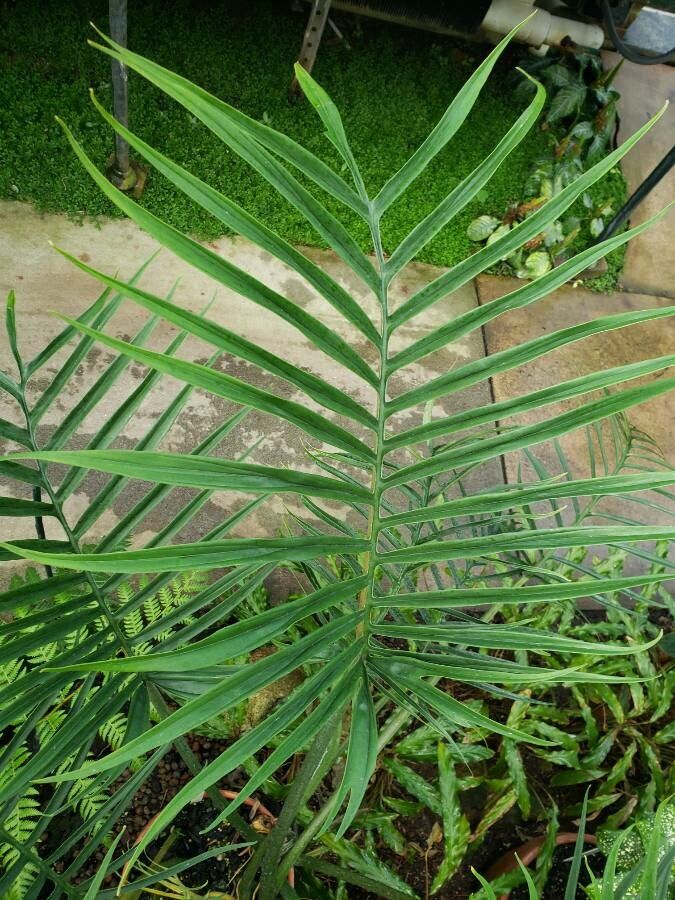
Propagating the Lacy Delight: A Guide to Growing More Philodendron angustisectum
Philodendron angustisectum, often called the "Laceleaf Philodendron," is a highly coveted aroid prized for its deeply dissected, almost lacy foliage. Its delicate, finely divided leaves create a dramatic, almost ethereal presence, making it a favorite among houseplant enthusiasts and collectors. Its popularity, however, often leads to a desire for propagation – expanding this stunning plant’s presence beyond a single specimen. However, propagating Philodendron angustisectum presents its own set of unique challenges.
Seed Germination:
Currently, there are no known reliable methods for seed germination propagation of Philodendron angustisectum. While some Philodendron species reproduce readily from seed, this particular species rarely flowers indoors, and even when it does, obtaining viable seed is exceptionally difficult. Therefore, relying on seed propagation is not a practical approach for most home growers.
Cuttings:
This is the most commonly used and relatively successful method for propagating Philodendron angustisectum.
- Challenges: While cuttings work, rooting can be slow and inconsistent. The delicate nature of the leaves makes them susceptible to damage during handling and propagation. Rot is a significant risk if humidity and hygiene are not properly managed.
- Practical Tips: Take stem cuttings, ideally with at least two nodes, using a sharp, sterile blade. Remove lower leaves to prevent rot. Dip the cut end in rooting hormone for improved success. Propagate in a well-draining, moist propagating mix (e.g., a mix of perlite and peat moss) under high humidity (a humidity dome or propagation case is recommended). Maintain consistently warm temperatures (around 75-80°F). Patience is key, as rooting can take several weeks or even months.
- Rewards: Cuttings offer a relatively straightforward method for producing genetically identical plants while maintaining the desirable traits of the parent plant. This method is suitable for home propagation of a limited number of plants.
Division:
Division is rarely a viable option for Philodendron angustisectum. The plant generally grows as a single stem or with limited offshoots, limiting the opportunities for division without risking severe damage to the mother plant.
Tissue Culture:
- Challenges: Tissue culture is a specialized and technically demanding method requiring specific equipment, sterile conditions, and expertise in plant tissue culture techniques. This method isn’t practical for home growers.
- Practical Tips: This method is best left to professional nurseries or laboratories with specialized equipment and expertise. It allows for large-scale propagation and the potential for disease-free plants.
- Rewards: Tissue culture offers the potential for mass propagation and the elimination of pathogens. It is by far the most efficient method for large-scale commercial production.
Conclusion:
Propagating Philodendron angustisectum offers a rewarding but challenging experience. While seed propagation is currently impractical, cuttings offer a reasonable method for home growers. However, success requires patience, meticulous care, and attention to detail. Tissue culture presents the most effective large-scale solution, but necessitates advanced knowledge and resources. The unique beauty and delicate nature of the Laceleaf Philodendron make the effort to propagate it particularly satisfying. Don’t be discouraged by setbacks – the rewards of successfully growing your own Philodendron angustisectum from a cutting, surpassing the initial challenges, makes the endeavor fulfilling indeed. Remember, even seasoned propagators experience some losses; the journey itself is a valuable learning experience. Embrace the process, learn from your experiences, and enjoy the beauty of this extraordinary plant!