
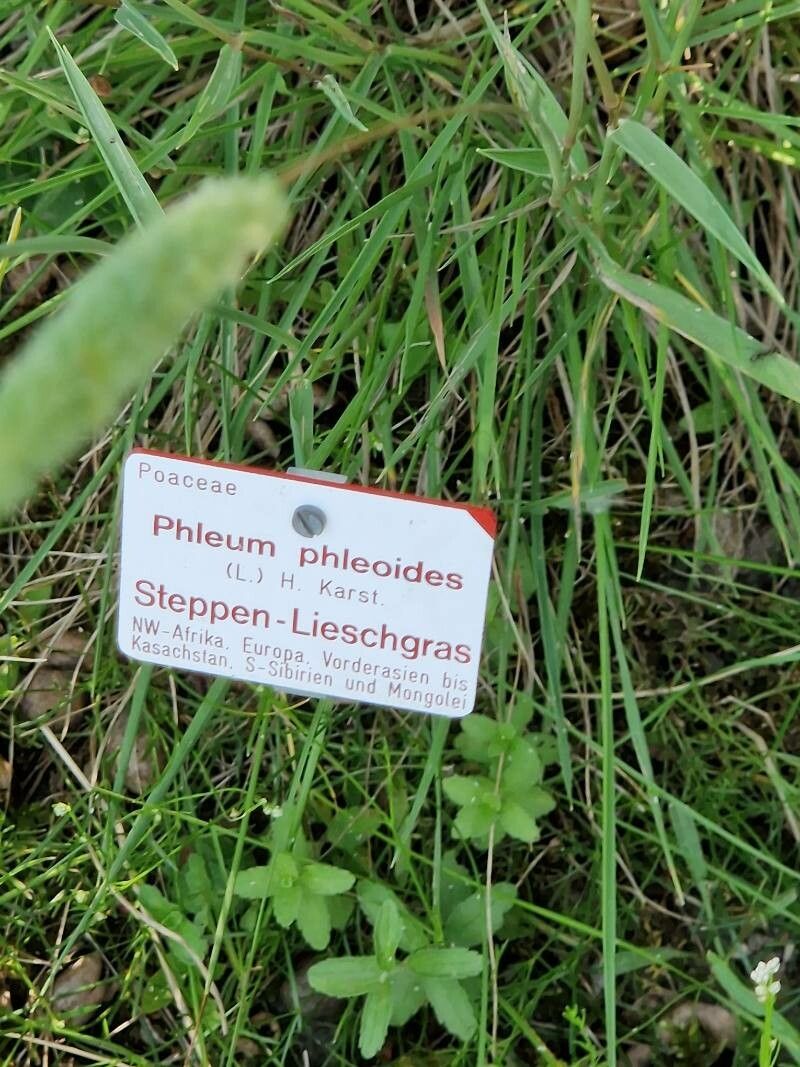
Waking Up the Ancient: Propagating Purple-Stem Cat’s Tail (Phleum phleoides)
The Purple-Stem Cat’s Tail (Phleum phleoides), with its charmingly descriptive name and understated elegance, might not be the flashiest plant in the meadow, but it holds a quiet charm that’s hard to resist. This European native, with its purple-tinged stems and softly swaying flower heads resembling a cat’s tail, is gaining popularity as a low-maintenance ornamental grass. Interested in inviting this touch of wildness into your own garden? Read on to discover the secrets of propagating Phleum phleoides.
Embracing the Seeds of Success: Propagation by Seed
The most common and rewarding method for propagating Purple-Stem Cat’s Tail is through its abundant seeds. Follow these steps and watch as tiny seeds transform into graceful grasses:
1. Timing is Everything: For optimal germination, aim to sow your seeds in either early spring or late summer. This allows the seedlings to establish themselves before facing the challenges of summer heat or winter frost.
2. Prepare a Seedbed Fit for Royalty: Phleum phleoides thrives in well-drained soil that mimics its natural meadow habitat. A seed tray filled with a seed-starting mix or a sunny spot in your garden with loose, fertile soil will do the trick.
3. Sow with a Gentle Touch: Sprinkle the tiny seeds sparsely over the surface of the soil, barely pressing them in. Remember, these seeds need light to germinate!
4. Patience, Young Padawan: Keep the soil consistently moist but not waterlogged. Germination typically occurs within 14-21 days, so don’t despair if you don’t see sprouts immediately.
5. Thinning the Herd: Once the seedlings have developed a few true leaves, thin them out to prevent overcrowding. Leave about 6-8 inches between each plant to allow ample space for growth.
6. Transplanting to Their Forever Home: After the last frost, your young Purple-Stem Cat’s Tails are ready to grace their permanent location in your garden. Choose a sunny spot with well-drained soil for optimal growth.
Division: Sharing the Bounty
For established clumps of Phleum phleoides, division is an excellent way to propagate new plants while also rejuvenating the parent plant.
1. The Right Time for a Split: Early spring or late summer, just like with seed propagation, are the ideal times to divide your Purple-Stem Cat’s Tail.
2. Digging Deep: Carefully dig around the perimeter of the clump you want to divide, ensuring you get as much of the root system as possible.
3. Separation Anxiety: Gently tease the clump apart using your fingers or a garden fork. Aim for divisions that have a good amount of roots attached.
4. Replant and Revitalize: Plant the divisions in their new homes at the same depth they were originally growing. Water them in well and watch them thrive.
A Low-Maintenance Monarch: Caring for Your Purple-Stem Cat’s Tail
One of the most appealing aspects of Phleum phleoides is its low-maintenance nature. Once established, it requires minimal care, making it a perfect choice for busy gardeners or those seeking a touch of effortless beauty:
Water Wisely: Water deeply but infrequently, allowing the soil to dry out slightly between waterings. Avoid overwatering, as this can lead to root rot.
Feeding Frenzy: While not a heavy feeder, a light application of balanced fertilizer in spring can encourage healthy growth.
- A Cut Above: In late winter or early spring, cut back the previous season’s growth to make way for fresh new foliage.
Whether you choose to start from seed or propagate through division, Phleum phleoides is a rewarding and beautiful addition to any garden. Its delicate beauty and resilience make it a true champion of the wild, ready to enchant and inspire for years to come.