
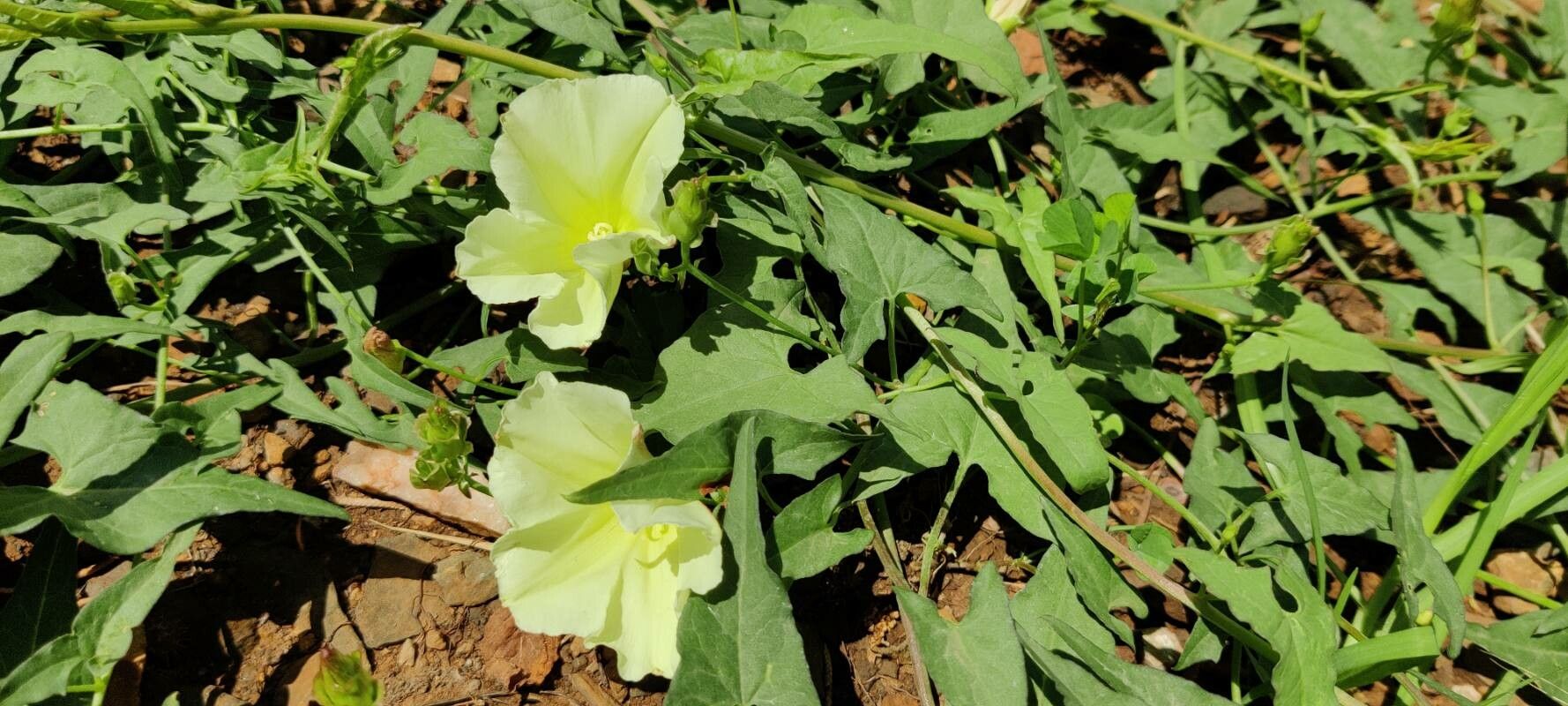
Taming the Wild: Propagating Western Bindweed (Calystegia occidentalis)
Western Bindweed (Calystegia occidentalis), with its delicate white blossoms and tenacious vines, evokes a sense of untamed beauty. While often considered a bit of a wild child in the garden, this native California plant can be a charming addition to your landscape with its vigorous growth and captivating blooms. But how do you tame this wild beauty and make it thrive in your garden? The answer lies in successful propagation.
Unlike its more aggressive cousin, Field Bindweed (Convolvulus arvensis), Calystegia occidentalis is less invasive and generally easier to manage. This makes it a more desirable choice for gardeners wanting to add a touch of wildflower charm without overwhelming their flowerbeds.
Let’s explore the two primary methods of propagating Western Bindweed:
1. Seed Propagation:
- Seed Collection: The first step is gathering seeds. Look for the small, round seed pods that develop after the flowers fade. Let the pods dry completely on the vine, then carefully collect and store them in a cool, dry place until you’re ready to sow.
- Stratification (Optional): While not strictly necessary, cold-stratifying the seeds can help improve germination rates. You can do this by placing the seeds in a moist paper towel inside a sealed plastic bag and storing them in the refrigerator for 4-6 weeks.
- Sowing: Sow the seeds directly into your garden in the fall or early spring. Choose a location with well-draining soil and full sun to partial shade exposure. Plant the seeds about 1/4 inch deep and keep the soil consistently moist but not waterlogged.
- Germination: With proper conditions, expect germination to occur within 2-4 weeks. Once the seedlings emerge and have a few sets of true leaves, thin them out to provide adequate spacing for growth, usually 12-18 inches apart.
2. Propagation from Divisions:
- Timing is Key: Early spring, before new growth starts, or fall, after the plant has finished flowering, are the ideal times for dividing established Western Bindweed plants.
- Division Process: Carefully dig up a portion of the plant, ensuring you get a good chunk of the root system. You can then divide the clump into smaller sections, each with several healthy roots and shoots.
- Replanting: Replant the divisions at the same depth they were originally growing. Water them in well and keep the soil consistently moist as they establish themselves.
Tips for Success:
- Soil & Sunlight: Western Bindweed thrives in well-draining soil and prefers full sun but can tolerate partial shade.
- Watering: While drought-tolerant once established, regular watering, especially during the first year, is crucial for young plants.
- Support System: Provide some form of support like a trellis, fence, or arbor for the vines to climb and spread.
- Control Measures: Be mindful of its spreading nature and consider planting in a contained area or using root barriers to prevent unwanted spread.
Propagating Western Bindweed is a fulfilling way to introduce this beautiful native plant to your garden. With a little patience and the right techniques, you can enjoy its delicate blooms and vigorous growth, adding a touch of wild elegance to your outdoor space. Just remember to keep a watchful eye on its growth and enjoy its charming, albeit slightly rebellious, nature.