
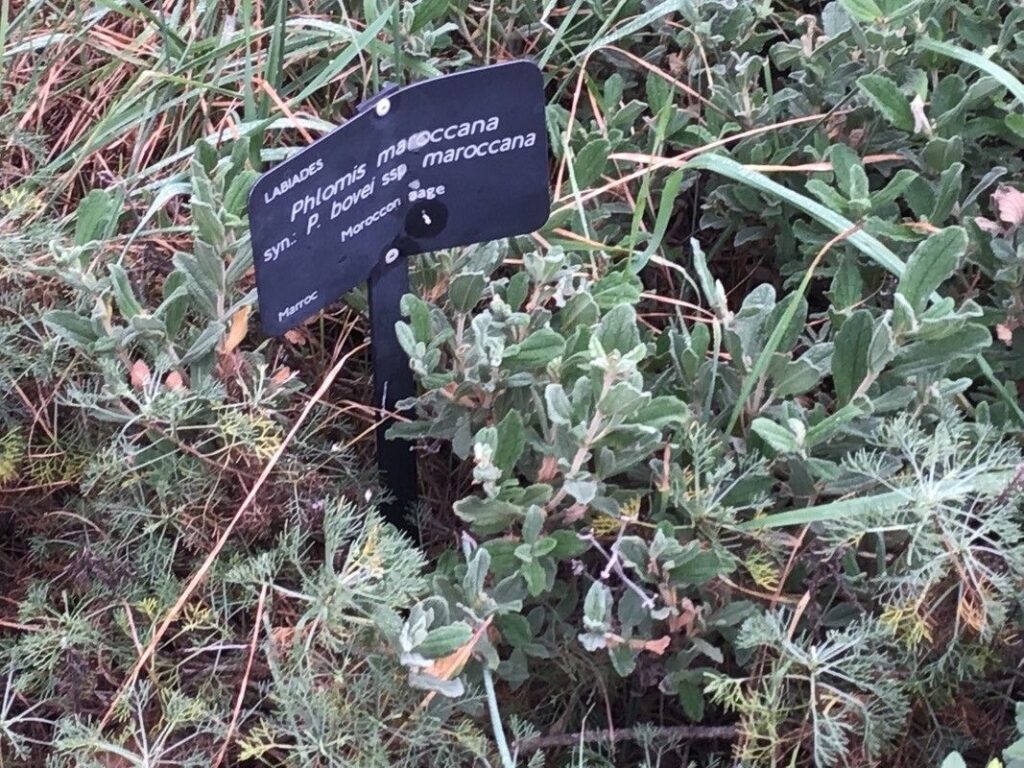
Propagating Jerusalem Sage (Phlomis bovei): A Gardener’s Guide
Introduction:
Phlomis bovei, commonly known as Jerusalem Sage, is a captivating perennial prized for its striking architectural form and silvery foliage. Its tall, upright stems adorned with whorls of vibrant yellow flowers make it a standout in any garden, adding a touch of Mediterranean flair. Its drought tolerance and relatively low maintenance requirements have contributed to its growing popularity among gardeners. However, propagation of Phlomis bovei can present some unique challenges, making successful cultivation all the more rewarding.
Seed Germination:
Currently, there are no known reliable methods for seed germination propagation of Phlomis bovei. While seeds may be produced, germination rates are extremely low, and the process is unpredictable. This makes seed propagation an impractical method for most gardeners.
Cuttings:
Cuttings offer a more reliable method for propagating Phlomis bovei.
Challenges: Success rates depend heavily on timing and technique. Hardwood cuttings taken in late autumn or early winter have shown better results than softwood cuttings. The relatively woody nature of the stems can make them slightly difficult to root.
Practical Tips: Take 10-15cm long cuttings from mature, non-flowering stems. Remove lower leaves to prevent rotting. Dip the cut ends in rooting hormone before planting them in a well-draining propagation mix (e.g., a mix of perlite and peat moss). Keep the cuttings consistently moist but not waterlogged, providing bottom heat if possible (around 20-24°C) to encourage rooting. High humidity, often achieved with a propagator lid or plastic bag, helps prevent desiccation.
Rewards: Cuttings offer a straightforward way to preserve the genetic characteristics of the mother plant. This is particularly valuable if you possess a rare variety or a plant with exceptional characteristics.
Division:
Division is a viable and relatively straightforward method for propagating established Phlomis bovei plants.
Challenges: Larger, older plants are best suited for division. Care must be taken not to damage the root system during the process. Successful division requires the resulting divisions to have sufficient root mass to support their growth.
Practical Tips: The best time to divide is in spring or autumn, when the plant is dormant or starting to actively grow. Dig up the entire plant carefully, and gently separate the root ball into smaller sections, ensuring each division possesses healthy roots and several stems. Replant the divisions immediately in well-prepared soil, and water thoroughly.
Rewards: Division is a fast and efficient method that quickly increases the number of plants. It is relatively low-risk compared to other methods, producing readily established plants with quick re-growth.
Tissue Culture:
While theoretically possible, tissue culture propagation for Phlomis bovei is not commonly practiced by home gardeners due to its complexity and cost. Specialized equipment and laboratory conditions are required.
Challenges: Establishing sterile conditions, selecting appropriate culture media, and optimizing growth regulators are essential for successful tissue culture, demanding significant expertise.
Practical Tips: This method is best left to commercial nurseries or research institutions with the necessary facilities and expertise.
Rewards: Tissue culture allows for large-scale propagation of disease-free plants and offers the potential to generate a large number of genetically identical plants quickly.
Conclusion:
Successfully propagating Phlomis bovei requires patience and attention to detail. While seed propagation is unreliable, cuttings offer a viable, albeit slightly challenging, option for home gardeners. Division presents the easiest and most effective method for increasing the number of plants. The relative difficulties of these methods only heighten the satisfaction of nurturing these plants from cuttings or divisions to maturity. The architectural beauty and resilience of Jerusalem Sage make the effort worthwhile; the unique silvery foliage and vibrant yellow flowers are a testament to the rewards of dedicated propagation. For aspiring propagators, persistence and careful attention to technique are key to success, promising a delightful addition to your garden.