
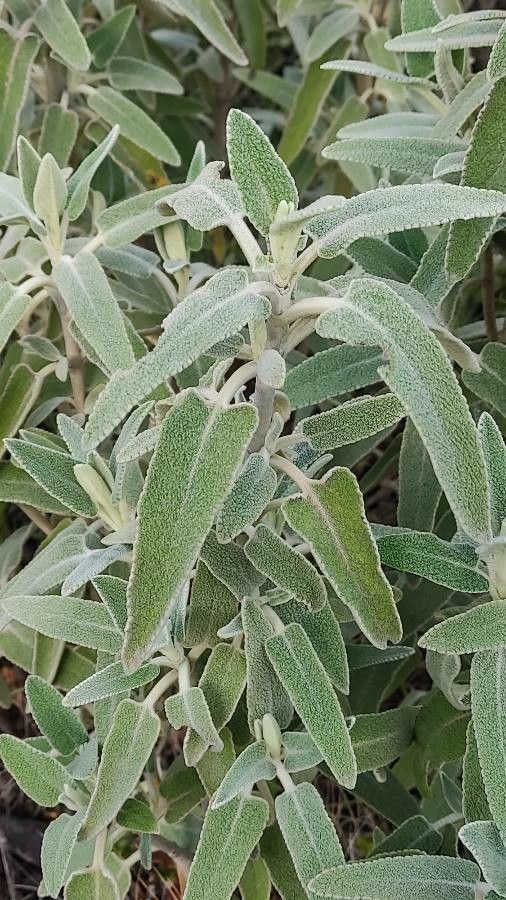
Unveiling the Purple Sage: Propagating the Majestic Phlomis purpurea
The Phlomis purpurea, more commonly known as Purple Sage (though not to be confused with the culinary herb), is a captivating plant that deserves a place in any Mediterranean or drought-tolerant garden. Its tall, silvery-green stalks adorned with whorls of vibrant pink-purple blooms make it an architectural marvel and a magnet for pollinators. Ready to welcome this beauty into your garden? Let’s explore the fascinating world of propagating Phlomis purpurea!
Two Paths to Purple Paradise: Seed vs. Cuttings
When it comes to propagating Phlomis purpurea, you have two primary options:
-
Seed Propagation: Starting Phlomis purpurea from seed is an adventure in patience. While it takes longer to see results, it’s a rewarding method that offers a greater number of plants.
- Timing is key: Sow seeds in late winter or early spring in seed trays filled with well-draining compost.
- Light is essential: Purple Sage seeds need light to germinate. Sprinkle them on the surface and gently press them in without fully burying them.
- Warmth and moisture: Ensure a consistent temperature (around 20°C or 68°F) and keep the soil moist but not waterlogged.
- Patience is a virtue: Germination can take anywhere from a few weeks to a couple of months.
- Transplant with care: Once seedlings have developed a few true leaves, carefully transplant them into individual pots and gradually acclimate them to outdoor conditions before planting in their permanent spots.
- Propagation by Cuttings: If you prefer a quicker and slightly more predictable method, propagating from cuttings is a great option.
- Choose wisely: Select healthy, non-flowering stems in spring or early summer.
- Take the plunge: Cut a 4-6 inch section just below a leaf node. Remove the lower leaves, leaving a few at the top.
- Dip and plant: Dip the cut end in rooting hormone (optional but beneficial) and plant the cutting in a pot filled with a well-draining, slightly moist potting mix.
- Create a humid environment: Cover the pot with a plastic bag or use a propagator to retain moisture and warmth.
- Root and flourish: In a few weeks, roots will start to develop. Once you see new growth, you can gradually acclimate the cutting to outdoor conditions before transplanting it.
Nurturing Your New Purple Protégés
Once your new Phlomis purpurea plants are established, they are fairly low-maintenance. Here are some key tips:
- Sunlight is vital: Choose a spot with at least six hours of direct sunlight for optimal growth and bloom.
- Well-drained soil is a must: These drought-tolerant beauties despise soggy roots.
- Water wisely: Water deeply but infrequently, allowing the soil to dry out between waterings.
- Pruning for shape and vitality: Cut back spent flower stalks after blooming to encourage bushier growth and often a second flush of blooms.
Reap the Rewards of Your Labor
With its striking beauty, drought tolerance, and ability to attract pollinators, Phlomis purpurea, is a true gift to any garden. So, embrace the joy of propagation and watch with pride as you multiply these majestic purple wonders!