
Taming the Mountain Sage: A Guide to Propagating Phlomoides oreophila
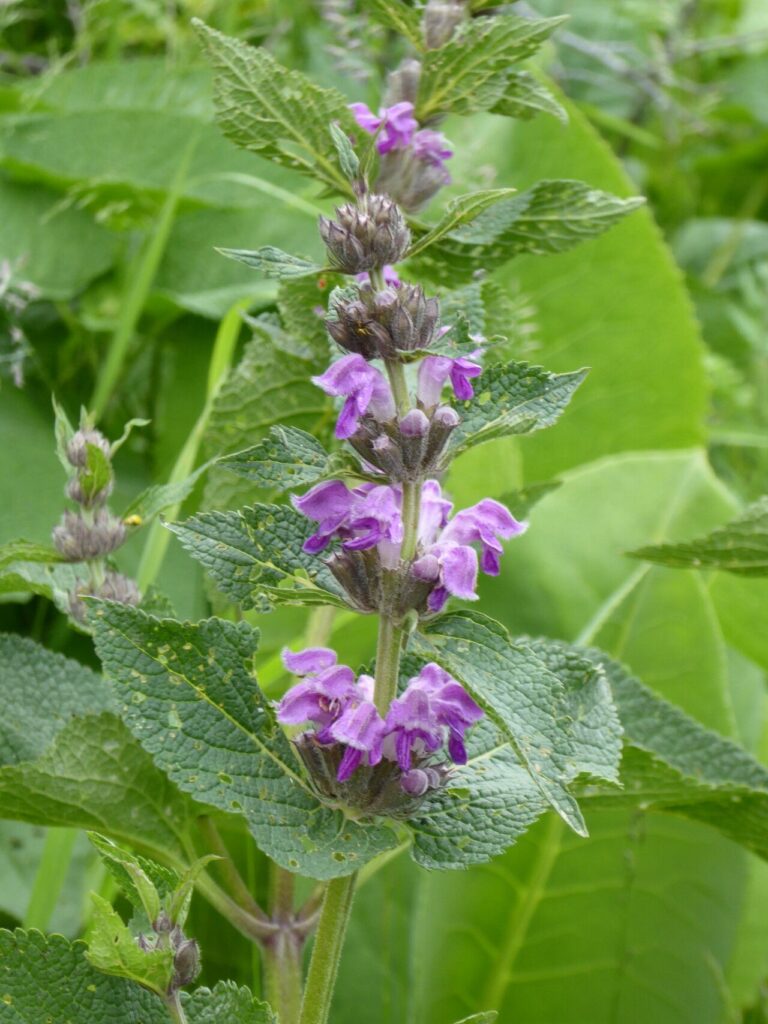
Phlomoides oreophila, commonly known as mountain sage (though not a true sage), captivates with its vibrant, lilac-pink flower spikes that erupt in early summer. This hardy perennial, native to the mountainous regions of Central Asia, brings a touch of wild beauty and pollinator-friendly charm to gardens. If you’re dreaming of adding its captivating presence to your own outdoor space, propagating your own plants is a rewarding and economical solution. Let’s explore the two most effective methods:
1. Starting from Seed: A Journey of Patience and Reward
Propagating Phlomoides oreophila from seed is an exercise in patience that yields gratifying results. Here’s a step-by-step guide:
- Sowing: Sow seeds in late winter or early spring, about 6-8 weeks before the last expected frost. Fill seed trays with a well-draining seed-starting mix. Surface sow the seeds, pressing them gently into the soil.
- Conditions: Phlomoides oreophila seeds require light to germinate. Place the seed trays in a bright location, but out of direct sunlight. Maintaining a consistent temperature of around 65-70°F (18-21°C) is crucial.
- Moisture: Keep the soil consistently moist but not waterlogged. Using a spray bottle can help prevent disturbing the seeds.
- Germination: Be prepared to wait! Germination can take anywhere from 3 weeks to several months. Don’t lose hope if you don’t see sprouts right away.
- Transplanting: Once seedlings develop two sets of true leaves, transplant them into individual pots filled with a well-draining potting mix.
- Hardening Off: Before planting outdoors, gradually acclimate your seedlings to outdoor conditions. Start with a few hours of dappled sunlight each day, gradually increasing exposure over a week or two.
- Planting: Plant your Phlomoides oreophila in a sunny location with well-drained soil in late spring or early summer, after the danger of frost has passed. Space plants about 18-24 inches apart.
2. Division: Multiplying Your Mountain Sage Treasures
Division is an excellent way to propagate established Phlomoides oreophila plants and maintain their vigor. Here’s how:
- Timing: Divide plants in early spring, just as new growth begins to emerge.
- Lifting: Carefully dig up the entire plant, ensuring you get as much of the root system as possible.
- Dividing: Using a sharp knife or garden spade, divide the plant into sections, ensuring each section has a good amount of roots and shoots.
- Replanting: Replant the divisions immediately in a sunny location with well-drained soil, spacing them 18-24 inches apart. Water thoroughly.
A Few Tips for Success:
- Phlomoides oreophila prefers well-drained soil. If your soil is heavy, amend it with compost or grit to improve drainage.
- Once established, this species is relatively drought-tolerant. However, regular watering during the first growing season will help establish a strong root system.
- Deadhead spent flower spikes to encourage more blooms and prevent self-seeding if desired.
Propagating your own Phlomoides oreophila is a rewarding way to increase your plant collection while enjoying the beauty of this captivating mountain dweller in your own garden. Whether you choose to start from seed or propagate through division, a little patience and care will transform your efforts into a vibrant display of pink-hued blossoms, buzzing with pollinating bees and butterflies.